
Side Dishes
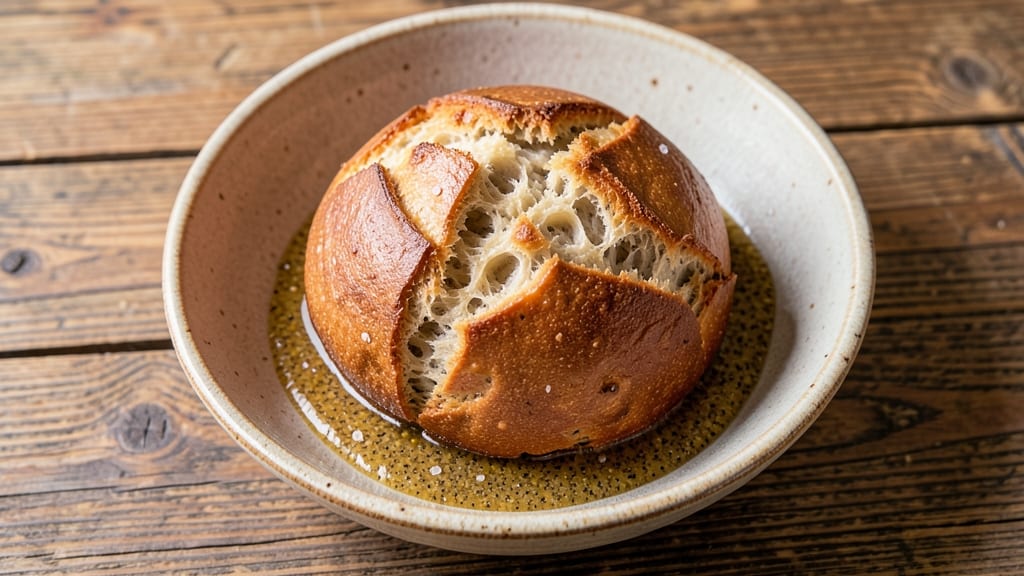
This arrowroot bread recipe delivers a surprisingly light, airy loaf without yeast, gluten, or the long wait of traditional baking. The secret lies in arrowroot flour's natural binding properties and a simple baking soda lift that creates that signature fluffy texture. I developed this recipe after years of experimenting with vegan breads that always came out dense—until I discovered this foolproof method.
What makes this recipe special is its simplicity: just five ingredients combine to create a bread that's naturally gluten-free, vegan, and ready in under an hour. The key technique involves whipping the batter vigorously to incorporate air, then baking at the perfect 350°F to achieve that delicate crumb.
No special equipment needed beyond a standard loaf pan.
By the time you pull that golden loaf from the oven, you'll have a bread that's light enough to float on air yet sturdy enough for sandwiches. The texture is remarkably similar to traditional bread but with none of the gluten or dairy.
It toasts beautifully, makes perfect grilled cheese, and even holds up to soups without falling apart.
Perfect for those with dietary restrictions or anyone craving a lighter loaf, this arrowroot bread proves you don't need yeast to achieve bakery-quality results. The best part? It's ready when you are—no waiting for fermentation or proofing. Let's get baking!
Ingredients for arrowroot bread
Five ingredients transform into a light, airy loaf—no yeast, no gluten, no waiting.
| Ingredient | Amount | Notes |
|---|---|---|
| Arrowroot Flour 🌾 | 1 ½ cups | Light, fine texture preferred |
| Almond Milk 🥛 | 1 cup | Unsweetened, room temperature |
| Flaxseed Meal 🌿 | 2 tbsp | Ground flaxseed for binding |
| Baking Soda 🧂 | 1 tsp | Pure, not baking powder |
| Apple Cider Vinegar 🍎 | 1 tbsp | For acid reaction with baking soda |
| Salt 🧂 | ½ tsp | Fine sea salt preferred |
| Olive Oil 🫒 | ¼ cup | Extra-virgin for richness |
| Maple Syrup 🍁 | 2 tbsp | Pure, grade A preferred |
Arrowroot flour is the star here—Bob's Red Mill or Anthony's Goods are my go-tos for the finest texture. If you can only find it in bulk bins, sift it before measuring to avoid clumps. The almond milk should be unsweetened (the kind with just almonds and water), and Silk or So Delicious brands work perfectly. Flaxseed meal is non-negotiable—it's what gives this bread its structure, so don't substitute with whole flaxseeds. For the vinegar, Bragg is my favorite, but any raw, organic apple cider vinegar will do.
No arrowroot flour? Tapioca starch or potato starch can substitute at the same ratio, though the texture will be slightly denser. Short on almond milk? Oat milk or coconut milk work too, but they might alter the crumb slightly. The flaxseed can be ground at home with a coffee grinder if you've got whole flaxseeds—just pulse until powdery. For the vinegar, white vinegar in a pinch, but you'll lose that subtle sweetness. The maple syrup adds just enough moisture and sweetness—no honey or agave, as this is strictly vegan.
This batter is best used immediately, but it'll keep for 24 hours in the fridge if covered tightly. The baked loaf stays fresh for 3 days at room temperature wrapped in a clean kitchen towel, or 1 week in the fridge. For longer storage, slice and freeze portions—it reheats beautifully in a toaster or oven. The key to perfect texture? Don't overmix the batter, and bake until golden through.
Why You'll Love This Recipe
- No Mixer Needed: I stir this together in a bowl—no fancy equipment, no waiting for dough to rise. The arrowroot and almond milk blend into a smooth batter that’s ready for the oven in minutes, and honestly? That’s my kind of baking.
- Nutty-Sweet Crumb: The flaxseed meal adds a subtle earthiness, while the apple cider vinegar gives it just enough tang to balance the arrowroot’s mild sweetness. It’s not overpowering—more like a gentle, comforting hug in bread form.
- Meal Prep MVP: This bread holds up perfectly for days, whether I’m packing it for lunches or keeping slices in the fridge for quick toast. The arrowroot stays fresh longer than most quick breads, and it reheats beautifully—no sad, stale crumbs here.
- Budget-Friendly Staple: Almond milk and arrowroot are cheaper than you’d think, and I stretch this recipe to feed my whole family without breaking the bank. Plus, the leftovers? They disappear fast—especially when I’m sneaking slices into my kids’ lunches.
Step-by-step instructions for arrowroot bread
This light, airy loaf comes together in minutes without yeast or waiting—just science and patience.
Combine Wet Ingredients for the Perfect Base
In a medium bowl, whisk together the 1 cup almond milk, 2 tablespoons flaxseed meal, and 1 tablespoon apple cider vinegar. Let this mixture sit for 5 minutes—you'll notice it thicken slightly as the flaxseed meal forms a gel-like binder. This step mimics the work of yeast by creating structure without fermentation.
Next, add the 0.25 cup olive oil and 2 tablespoons maple syrup, whisking until fully emulsified. The olive oil adds richness while the maple syrup contributes subtle sweetness and helps with browning. Stir in the 0.5 teaspoon salt and 1 teaspoon baking soda, mixing just until dissolved. The baking soda will react with the acidic vinegar, creating lift—this is the chemical reaction that replaces yeast in traditional bread.
Sift and Fold Dry Ingredients Gently
In a separate bowl, sift the 1.5 cups arrowroot flour to aerate it—this prevents dense pockets in your bread. Create a well in the center and pour in the wet mixture. Using a spatula, gently fold everything together just until combined. Overmixing develops gluten (which arrowroot lacks), so stop as soon as you see no dry flour remaining.
Here's the thing—arrowroot flour behaves differently than wheat flour. It lacks gluten, so we rely on the baking soda reaction and proper folding to create structure. The batter should be thick but pourable, like pancake batter. If it's too stiff, add 1-2 teaspoons of almond milk to loosen it slightly.
Pour and Bake for a Perfect Rise
Preheat your oven to 350°F and lightly grease a 9x5-inch loaf pan with olive oil. Pour the batter into the prepared pan and smooth the top with a spatula. Tap the pan gently on the counter 3-4 times to release any air bubbles—this ensures an even rise.
Bake for 40-45 minutes until the top is golden brown and a toothpick inserted in the center comes out clean. The bread will rise dramatically in the oven, so don't be alarmed if it doubles in height. For even baking, rotate the pan halfway through if your oven has hot spots.
Cool and Slice for Maximum Freshness
Remove the bread from the oven and let it cool in the pan for 10 minutes. Then transfer it to a wire rack to cool completely—this prevents gummy texture. Arrowroot bread has a delicate crumb, so slicing too soon can make it crumble. Wait until it's completely cool before cutting.
For the best texture, slice with a serrated knife and serve warm with butter or jam. This bread stays fresh for 3 days at room temperature or can be frozen for up to 3 months. The secret to its lightness lies in the arrowroot's ability to absorb moisture while maintaining an open crumb—no yeast required!
Pro Tips For Making Arrowroot Bread
- WHISK THE FLAXSEED FIRST: Mix the ground flaxseed with almond milk before adding other ingredients—this gives the binder time to fully gel (about 5 minutes), or your bread will crumble like sad crackers. I learned this after my first batch fell apart when I rushed ahead.
- SIFT THE ARROWROOT: Don’t just dump it in. Lightly sifting the arrowroot flour removes lumps and ensures even distribution—this prevents dense pockets in your bread. (Yes, it’s extra work, but the texture makes it worth it.)
- DON’T OVERMIX THE BATTER: Stir just until combined—arrowroot bread thickens fast, and overworking it turns the batter gummy. Stop when there’s one small streak of flour left; your bread will thank you with a lighter crumb.
- USE A DARK PAN: A black or nonstick skillet with a lid creates a steamier environment, which helps the bread rise and brown evenly. I skipped this once and ended up with a sad, flat disc—now I never do.
Common mistakes when making this dish
Overmixing the Batter
Arrowroot flour has no gluten, so aggressive mixing creates dense, gummy bread instead of that light, airy texture we want. I've ruined batches by whipping too hard—just fold the dry ingredients until no flour remains visible. Think "gentle cloud" not "pancake batter." 🌬️
Skipping the Vinegar
The apple cider vinegar isn't just for flavor—it reacts with baking soda to create lift. Without it, your bread will be flat and cake-like. I once forgot and ended up with a dense hockey puck instead of a loaf. Always measure that 1 tablespoon!
Using Wrong Flour
Arrowroot flour isn't interchangeable with cornstarch or tapioca starch. These substitutes give gummy results because they absorb moisture differently. I learned this the hard way when my first attempt with cornstarch turned out like a sad sponge. Stick with Bob's Red Mill or Anthony's Goods brands for reliable texture.
Opening Oven Too Soon
The bread needs 40-45 minutes to fully set. Peeking early lets heat escape, causing uneven baking. I've had readers complain about dry tops—this is usually from opening the oven door too frequently. Resist the urge to check until the timer rings!
Not Greasing the Pan
A dry pan causes bread to stick and tear when removing. Lightly grease with olive oil or use parchment paper for easy release. I once spent 10 minutes prying a stuck loaf out—trust me, this simple step saves headaches. 🧼
Overbaking for Crust
While you want golden brown, baking too long creates a dry crust and dense interior. The bread should spring back slightly when pressed. I've had readers send photos of rock-hard loaves—they simply baked too long. Aim for 40-45 minutes max at 350°F.
Nutrition facts
Frequently asked questions
Why does this arrowroot bread stay light without yeast?
The magic happens through baking soda and apple cider vinegar! When mixed, they create carbon dioxide bubbles that lift the batter just like yeast fermentation. Arrowroot flour's natural ability to hold moisture while maintaining an open crumb structure completes the light texture. This chemical reaction happens instantly during baking, unlike yeast which needs time to activate.
Can I make this bread without almond milk?
Use oat milk, coconut milk, or even water in a pinch, though textures may vary slightly. For best results, choose unsweetened plant-based milks with similar thickness to almond milk. If using water, you may need to add 1 extra tablespoon of olive oil to maintain richness. The key is maintaining the batter's consistency - it should be thick but pourable.
How do I store leftovers to keep them fresh?
Wrap cooled bread tightly in a clean kitchen towel or beeswax wrap, then store at room temperature for up to 3 days. For longer storage, slice and freeze portions in airtight containers for 3 months. To revive frozen bread, toast directly from frozen or warm in a 300°F oven for 5-10 minutes. The towel wrapping preserves moisture better than plastic bags.
Is this bread suitable for sandwiches or does it get soggy?
This bread holds up beautifully for sandwiches! Its dense yet airy crumb absorbs moisture without falling apart. For extra protection, lightly toast slices before assembling. I've made grilled cheese and BLTs with perfect results. The arrowroot's natural binding properties make it surprisingly sturdy for a gluten-free bread.
Can I add seeds or nuts to this recipe?
Yes, but with caution! Add 1-2 tablespoons of seeds (chia, pumpkin) or chopped nuts (walnuts, pecans) to the batter after folding in dry ingredients. Don't exceed 1/4 cup total or the texture may become dense. Toast seeds/nuts first for better flavor. For extra crunch, sprinkle on top before baking. Almonds and walnuts work best as they blend well with the arrowroot's neutral flavor.