
Side Dishes
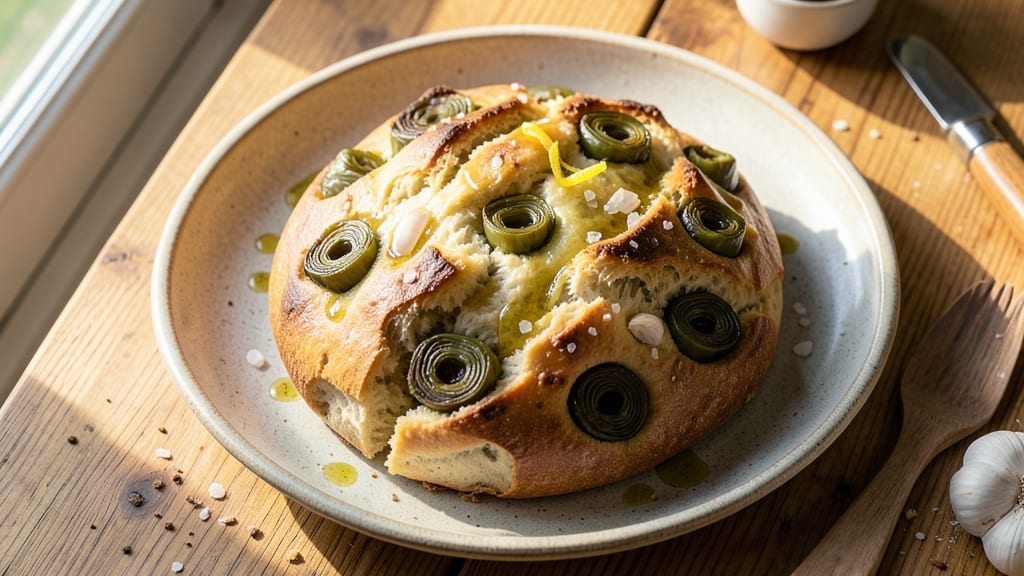
This Pescadero-style artichoke bread brings California coastal flavors to your table with a golden crust and herbed artichoke hearts at its core. The recipe blends traditional sourdough techniques with fresh seafood influences—think grilled lemon-herb fish resting atop a warm, artichoke-infused loaf.
I developed this after visiting Pescadero’s seafood markets, where the marriage of artichokes and ocean flavors felt like a natural pairing. The bread’s crispy exterior and tender interior make it perfect for soaking up seafood sauces or serving alongside grilled fish.
The secret lies in the dough’s balance—garlic, lemon zest, and fresh rosemary infuse every bite, while artichoke hearts add a briny, slightly sweet contrast. This isn’t just bread; it’s a vessel for coastal flavors, designed to elevate any seafood meal.
The recipe uses a no-knead method for simplicity, ensuring a foolproof golden crust without sacrificing texture. Pair it with a quick lemon-aioli dip or grilled white fish for a complete Pescadero-inspired feast.
What sets this apart is the artichoke’s role—not just as a topping, but as a flavor anchor throughout the dough. The hearts soften slightly during baking, releasing their essence into the bread, while the crust remains crisp and aromatic.
Each slice carries layers of garlic, herbs, and the subtle tang of artichokes, making it a standout side or even a main when paired with seafood. The recipe scales effortlessly, whether you’re feeding a family or hosting a coastal-themed dinner.
For those who love seafood, this bread becomes even more versatile when served with a warm artichoke-aioli dip or grilled fish fillets. The aioli, made with fresh herbs and a touch of lemon, ties the meal together, while the bread’s sturdy crust holds up to dipping.
Whether you’re recreating a Pescadero market experience or simply craving a flavorful, textured side, this recipe delivers restaurant-quality results with minimal effort.
Ingredients for artichoke bread pescadero
California coastal flavors meet rustic sourdough in this artichoke-infused loaf—where crisp crust and herbed hearts create the perfect vessel for seafood pairings.
| Ingredient | Amount | Notes |
|---|---|---|
| Active Dry Yeast 🍞 | ¼ oz | Or 2 1/4 tsp, dissolved in warm water |
| Extra-Virgin Olive Oil 🫒 | ½ cup | High-quality, fruity variety preferred |
| Warm Water 💧 | 1 ¼ cups | 110-115°F for yeast activation |
| All-Purpose Flour 🌾 | 4 cups | King Arthur or similar high-protein |
| Marinated Artichoke Hearts 🍃 | 1 cup | Chopped, drained, and patted dry |
| Garlic Cloves 🧄 | 4 cloves | Minced, skin-on for extra flavor |
| Fresh Rosemary 🌿 | ¼ cup | Finely chopped, stems removed |
| Lemon Zest 🍋 | 1 tbsp | From 1 organic lemon, no pith |
| Diamond Crystal Kosher Salt 🧂 | 1 ½ tsp | Adjust to taste, don't over-salt |
| Coarse Sea Salt 🧂 | 1 tbsp | For sprinkling on crust |
| Cornmeal 🌽 | ½ cup | For dusting baking sheet |
| Large Egg 🥚 | 1 whole | For egg wash |
| Fresh Lemon Juice 🍋 | 1 tbsp | For egg wash |
The artichoke hearts are the flavor foundation here—look for jarred hearts packed in water, not oil, for cleaner flavor. Trader Joe's and Whole Foods carry excellent brands like Mezzetta, which have that signature briny sweetness. Fresh rosemary should be vibrant green with a piney aroma; Penzeys sells organic bundles that stay fresh longer. The garlic matters too—skin-on cloves add extra flavor when minced. For the olive oil, California-grown brands like Corto or Lucini capture that coastal profile perfectly.
No fresh rosemary? Dried works at one-third the amount, but the flavor won't be as bright. Substituting artichokes? Sun-dried tomatoes at half the amount adds depth, though they lack the briny contrast. The lemon zest can be swapped for orange zest if you prefer, but lemon's acidity balances the richness. For a gluten-free version, King Arthur gluten-free flour blend works well—just add 1/4 cup extra liquid. The egg wash can be omitted for vegan versions, though it contributes to that golden crust. Whole Foods carries excellent vegan egg substitutes if needed.
This dough keeps beautifully for 24 hours in the fridge, covered with a damp towel—ideal for overnight proofing. For longer storage, freeze the shaped loaf (unbaked) on a tray, then transfer to a bag for up to 3 months. Once baked, it's best enjoyed within 3 days for optimal texture, though it reheats beautifully in a 350°F oven for 5-10 minutes. The crust stays crisp for 2-3 days if wrapped tightly in foil. Pair with grilled halibut or a lemon-aioli dip for the full Pescadero experience.
Why You'll Love This Recipe
- No-Knead Magic: I swear by this dough—just mix, rest, and bake. The yeast does all the work while I sip coffee, and those artichoke hearts fold right in without fuss. Not the prettiest dough ball, but it rises like a dream.
- Umami Bomb: That jar of marinated artichoke hearts? It’s the star. The briny, garlicky punch cuts through the bread’s softness, and the olive oil keeps every bite rich and satisfying. Honestly, I’ve never met a bread that tasted this good with so little effort.
- Weeknight Hero: Toss a loaf in the oven while you prep dinner—it’s done by the time you’re plating. Slice it fresh for garlic bread, toast it for breakfast, or pack it for lunch. My go-to when I’m too tired to think past "carbs."
- Budget Stretch: A single jar of artichokes stretches into multiple loaves, and the rest of the ingredients? Pantry staples. I’ve made this for $3 loaves that disappear faster than my willpower on a Sunday afternoon. Leftovers? Toast them—no waste.
Step-by-step instructions for artichoke bread Pescadero recipe
This method delivers a rustic loaf with a crisp golden crust and tender herbed artichoke heart interior.
Activate the Yeast and Prepare the Dough Base
In a small bowl, combine the 0.25 oz active dry yeast with the 1.25 cups warm water (110-115°F). Let it sit for 5-10 minutes until foamy—this confirms the yeast is active. If it doesn't foam, your yeast may be dead and you'll need to start over.
In a large mixing bowl, whisk together the 4 cups all-purpose flour, 1.5 tsp diamond crystal kosher salt, and the 1 tbsp lemon zest. Create a well in the center and pour in the yeast mixture along with the 0.5 cup extra-virgin olive oil. Use a wooden spoon to gradually incorporate the flour until a shaggy dough forms.
Develop the Dough and Incorporate Artichoke Mixture
Transfer the dough to a clean countertop and knead for 8-10 minutes until smooth and elastic. The dough should spring back when poked and feel slightly tacky but not sticky. If it's too dry, add 1 tsp warm water at a time; if too sticky, add 1 tbsp flour.
While kneading, prepare the artichoke mixture by combining the 1 cup chopped marinated artichoke hearts, 4 minced garlic cloves (skin-on), and 0.25 cup finely chopped fresh rosemary in a small bowl. Once the dough is properly developed, press it into a rectangle about ½-inch thick on a lightly floured surface. Spread the artichoke mixture evenly over the dough, leaving a ½-inch border around the edges.
Shape and First Rise
Roll the dough into a tight log, sealing the seam well. Place it seam-side down in a lightly greased bowl, cover with a damp towel, and let rise in a warm place for 1-1.5 hours or until doubled in size. The dough should feel light and springy when pressed gently with a finger—this indicates proper fermentation.
While the dough rises, preheat your oven to 375°F and line a baking sheet with parchment paper. Lightly dust the parchment with 0.5 cup cornmeal to prevent sticking. This step creates a crisp bottom crust and makes cleanup effortless.
Shape and Second Rise
Punch down the risen dough to release air, then shape it into a round loaf about 8-inches in diameter. Place it on the prepared baking sheet, cover loosely with a towel, and let rise for another 30-45 minutes until puffy. The dough should expand noticeably and feel firm to the touch—this ensures good oven spring.
Create the egg wash by beating the 1 whole large egg with 1 tbsp fresh lemon juice in a small bowl. Brush this mixture over the top of the loaf just before baking. Sprinkle generously with 1 tbsp coarse sea salt for that signature Pescadero-style flavor and texture.
Bake to Golden Perfection
Bake the bread in the preheated oven for 30-35 minutes until the crust is deep golden brown and sounds hollow when tapped on the bottom. The internal temperature should reach 190-195°F when measured with an instant-read thermometer.
For best results, transfer the bread to a wire rack and let cool for at least 20 minutes before slicing. The crust will crisp up as it cools, creating that satisfying contrast with the tender interior. Serve warm with olive oil for dipping or alongside your favorite Mediterranean dishes.
Pro Tips For Making Artichoke Bread Pescadero
- Test Yeast First: Skip the guesswork—proof your yeast in warm water with a pinch of sugar before mixing into the dough. If it doesn’t bubble within 5–10 minutes, toss it and start fresh. I learned this the hard way after baking a flat loaf because my "fresh" yeast was actually expired.
- Drain and Pat Artichokes: Marinated artichokes hold more water than you’d think. Drain them well, then blot them dry with a paper towel to prevent a gummy dough. Trust me, your bread will rise better and taste brighter when they’re not swimming in brine.
- Knead Until Windowpane: Stop guessing when the dough is ready—perform the windowpane test. Stretch a small piece; if it’s smooth and translucent (like a thin plastic wrap), it’s done. Over-kneading is easy, but under-kneaded dough won’t hold its shape or flavor. (Yes, even if it feels like a workout.)
- Brush with Olive Oil: After shaping the loaf, brush the top generously with extra-virgin olive oil before baking. It crisps the crust beautifully and adds a subtle richness that dry bread misses. Do it right before baking—no need to rush, but don’t let it sit too long or the oil will soak in.
Common mistakes when making your artichoke bread pescadero
Overmixing the Dough
The most common mistake is overmixing after adding the artichoke mixture. Once you spread the artichoke hearts and herbs, resist the urge to fold or knead again—this disrupts the gluten structure and can make the bread dense.
Instead, gently roll the dough into a log and seal the edges tightly. Overmixing also develops too much gluten, which can turn your bread into a chewy loaf instead of the tender, airy texture we want. 🌾
Skipping the First Rise
Rushing the first rise (1-1.5 hours) is a big mistake. This step allows the yeast to fully activate and develop flavor. If you skip it or cut it short, your bread will lack rise and have a bland taste.
Place the dough in a warm spot—like a turned-off oven with a bowl of hot water inside—to ensure consistent warmth. A cold kitchen slows fermentation, so avoid placing the dough near drafts. 🔥
Using Wet Artichokes
If your marinated artichoke hearts aren't properly drained, they'll release excess moisture into the dough, making it sticky and difficult to handle. After chopping, pat them dry with paper towels to remove any lingering liquid.
Wet artichokes can also cause the crust to steam instead of crisp up properly. I like to spread them out on a clean towel to air-dry for a few minutes before mixing. 🍃
Incorrect Dough Temperature
The dough should be between 75-78°F before shaping and baking. If it's too cold, the bread won't rise properly; if too warm, it can overproof. Test by dipping your finger in the dough—it should feel slightly warm but not hot.
If your kitchen is cold, let the dough sit for 10-15 minutes before shaping. A dough thermometer (around $10) is worth the investment for consistent results. ⏰
Overproofing Before Baking
Watch for overproofing during the second rise—when the dough collapses or loses its springiness. This happens if left too long in a warm environment. The dough should be puffy and firm to the touch, not flat or sticky.
If it deflates, gently reshape it and let it rise for another 15-20 minutes before baking. Overproofed bread flattens and tastes flat. 💡
Neglecting the Egg Wash
Skipping the egg wash or applying it too thinly results in a pale, dull crust. The egg and lemon juice create a golden, glossy finish while adding flavor. Brush it on generously right before baking, focusing on the top and sides.
For extra shine, add 1 tsp water to the egg wash. Pro tip: Use a pastry brush for even coverage. 🥚
Nutrition facts
Frequently asked questions
Can I make this artichoke bread without fresh rosemary?
Yes! Use 1/3 cup dried rosemary instead, but toast it lightly in a dry pan for 30 seconds to intensify the flavor. For a different herb, try thyme or oregano at the same amount, though rosemary's piney notes best complement the artichokes. If you prefer no herbs, increase the garlic to 6 cloves for extra depth.
How do I store leftovers to keep them fresh?
Wrap the bread tightly in plastic wrap or place it in an airtight container to preserve moisture. It stays fresh at room temperature for 2-3 days, or freeze slices for up to 3 months. To reheat, wrap slices in foil and warm in a 350°F oven for 5-7 minutes until crispy again. The crust loses crispness when cooled, so reheating restores it.
Can I substitute jarred artichoke hearts with frozen ones?
Frozen artichoke hearts work, but they're often softer after thawing. Drain and pat them thoroughly dry to prevent a soggy dough. For best texture, use jarred hearts packed in water (like Mezzetta brand) as they hold their shape better. If using frozen, add them to the dough after it's fully risen to avoid excess moisture.
What's the best way to serve this with seafood?
Pair it with grilled lemon-herb white fish like halibut or cod, or serve warm slices with a garlic-aioli dip. The bread's artichoke flavor complements seafood beautifully, while the crust soaks up sauces perfectly. For a Pescadero-style meal, add a simple mixed green salad with olive oil and a side of steamed asparagus.
Why did my bread turn out dense instead of airy?
This usually happens from overmixing after adding artichokes or skipping the first rise. The artichoke mixture should be spread gently, then the dough rolled once without kneading. Also ensure your yeast was active (it should foam within 5-10 minutes in warm water). If your kitchen is cold, let the dough rise in a warm oven with a bowl of hot water for consistent temperature.