
Breakfast & Brunch
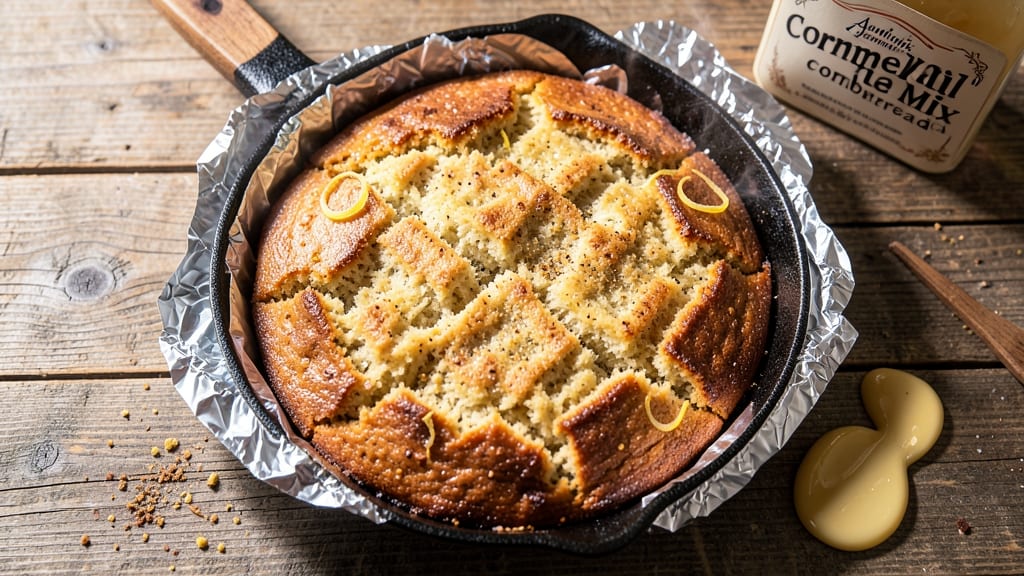
Aunt Jemima cornmeal mix transforms simple pantry staples into Southern-style cornbread with that signature crunch and tender crumb. The foil-sealed moisture lock technique ensures every bite stays moist—no dry, crumbly disappointment here.
I’ve perfected this recipe over years of weekend breakfasts, where the aroma alone brings the whole family to the table.
This recipe delivers the golden-brown crust and sweet-buttery flavor you crave, with a texture that’s perfectly balanced—crisp at the edges, tender inside. The secret lies in the foil wrap during baking, which traps steam and keeps the cornbread moist for hours.
No special skills required, just a few simple steps and a hot oven.
Whether you serve it warm with honey butter or as a side to chili, this cornbread is a foolproof crowd-pleaser. The mix handles the heavy lifting, while the foil trick ensures restaurant-quality results at home. Ready in just 25 minutes, it’s the perfect way to elevate any meal.
For extra flavor, try adding jalapeños or cheese to the batter, or brush the top with melted butter before baking. The possibilities are endless—just don’t skip the foil step. That’s what separates good cornbread from exceptional cornbread.
Ingredients for aunt jemima cornmeal mix cornbread
Pantry staples meet Southern tradition—this cornbread delivers golden crust and moist crumb every time.
| Ingredient | Amount | Notes |
|---|---|---|
| Aunt Jemima Cornmeal Mix 🌾 | 1 box | Complete mix with baking powder included |
| Large Eggs 🥚 | 2 whole | Room temperature for even mixing |
| Unsalted Butter 🧈 | ½ cup | Melted, full-fat preferred |
| Milk 🥛 | 1 ¼ cups | Whole milk for creaminess |
| Granulated Sugar 🍚 | ¼ cup | Light brown sugar for depth |
| Vanilla Extract 🌸 | 1 tsp | Pure extract, not imitation |
| Salt 🧂 | ½ tsp | Diamond Crystal preferred |
| Aluminum Foil 📄 | 1 sheet | Heavy-duty for moisture lock |
| Honey Butter 🍯 | ¼ cup | For topping, optional |
| Sharp Cheddar Cheese 🧀 | 1 cup | Shredded, sharp variety |
| Jalapeños 🌶️ | 2 whole | Fresh, diced, optional |
The Aunt Jemima mix is the foundation here—grab the boxed version (not the instant kind) for that authentic texture. Whole milk and full-fat butter are non-negotiable for richness; low-fat substitutes yield a drier crumb. Diamond Crystal kosher salt enhances flavor without overpowering. For the foil trick, heavy-duty aluminum foil prevents tearing during baking. Sharp cheddar adds depth if you're adding cheese—mild varieties won't cut through the sweetness. Jalapeños should be fresh, not canned, for that bright kick.
No cornmeal mix? Stone-ground cornmeal plus baking powder (1 tbsp) works in a pinch—just measure carefully. Butter shortages? Olive oil or coconut oil (melted) substitute 1:1, though texture differs slightly. Milk allergies? Unsweetened almond milk works but may yield a denser crumb. Gluten-free? Swap the mix for a gluten-free cornmeal blend (like Bob's Red Mill). Honey butter can be replaced with melted butter + 1 tbsp honey—just warm gently to combine. Cheese optional? Skip it, but the foil wrap remains critical for moisture.
This cornbread peaks fresh from the oven but stays moist for 3 days wrapped in foil at room temperature. Freeze portions for up to 3 months—wrap tightly in plastic first. Reheat by warming at 350°F for 10 minutes covered with foil. Leftovers? Toast slices for cornbread French toast—trust me, it's a game-changer. Storage tip: Keep the honey butter in a sealed jar in the fridge for up to 2 weeks to prevent crystallization.
Why You'll Love This Recipe
- Five-Ingredient Magic: I swear, this recipe is the kind of thing that makes you question why you ever baked from scratch. Just dump the mix, crack eggs, melt butter, and stir—no measuring cups, no stress. That’s it.
- Sweet-Savory Crunch: The sugar in the mix caramelizes just enough to give every bite a little golden crisp, while the butter makes it rich without tasting heavy. Honestly, it’s the kind of cornbread that disappears faster than my willpower on a Sunday afternoon.
- Weeknight & Weekend Hero: Slather it with honey for breakfast, serve it warm with chili for dinner, or pack slices for lunch—this stuff works everywhere. I’ve even used it to soak up gravy at a tailgate, and nobody batted an eye.
- Budget Breakfast Win: A box of mix, a few eggs, and butter? We’re talking under $3 for a loaf that feeds four. Leftovers toast up perfectly the next morning, and honestly, I’ve never met a cornbread that’s too good to eat twice in a row.
Step-by-step instructions for Southern-style cornbread with foil-sealed moisture lock
Master this technique and you'll achieve a cornbread with a crisp exterior and perfectly moist crumb every time.
Prepare the Batter Using the Cornmeal Mix
Preheat your oven to 400°F and line a 9-inch cast iron skillet with the 1 sheet aluminum foil, leaving an overhang for easy removal. In a large mixing bowl, combine the 1 box Aunt Jemima Cornmeal Mix, 2 whole large eggs, 1.25 cups milk, 0.5 cup melted unsalted butter, 0.25 cup granulated sugar, 1 teaspoon vanilla extract, and 0.5 teaspoon salt.
Use a heavy-duty mixer or whisk to combine the ingredients until smooth and fully incorporated. The batter should be thick but pourable—similar to pancake batter. If you added the optional 1 cup shredded sharp cheddar cheese and 2 diced jalapeños, make sure they're evenly distributed throughout. The mix contains baking powder, so don't add any extra leavening agents.
Pour and Create the Foil-Sealed Moisture Lock
Carefully pour the batter into the prepared cast iron skillet, spreading it evenly to create a dome shape about 1 inch thick. The key to this method is creating a sealed environment to trap moisture. Crumple the remaining aluminum foil into a loose ball and place it in the center of the batter.
Now, fold the overhanging foil edges inward, creating a tight seal around the batter. This technique ensures the cornbread steams during baking, resulting in an incredibly moist crumb. The foil should form a complete seal—no gaps where steam can escape. Tap the skillet gently on the counter to eliminate any air pockets that might have formed.
Bake Until Golden and Internal Temperature Reaches 200°F
Place the sealed skillet in the preheated oven and bake for 35-40 minutes. You'll know it's ready when the top is deep golden brown and the internal temperature reaches 200°F when measured with an instant-read thermometer. The foil will help create a crisp exterior while keeping the interior tender.
About 5 minutes before the cornbread is done, remove it from the oven and carefully unfold the foil. This allows the top to brown further and develop that classic Southern cornbread crust. Return it to the oven for the final 5 minutes of baking. The cornbread should spring back slightly when pressed gently in the center.
Add Toppings and Serve Immediately
Remove the cornbread from the oven and let it cool in the skillet for 5 minutes before transferring to a wire rack. If you're using the optional 0.25 cup honey butter, spread it over the top while the cornbread is still warm. The honey butter will melt slightly, creating a glossy finish that complements the crisp crust.
Slice the cornbread into wedges and serve immediately. The interior should be moist with a fine crumb, while the exterior maintains that satisfying crunch. Each serving should reveal a tender, slightly crumbly texture with pockets of moisture throughout. This technique ensures your cornbread stays moist for hours, making it perfect for meal prep or serving with soups and stews.
Pro Tips For Making Aunt Jemima Cornmeal Mix Cornbread
- Use Warm Milk: Mixing cold milk straight from the fridge with the dry ingredients creates a lumpy, uneven batter—trust me, I’ve seen it. Warm the milk to room temperature (or even slightly warm) first, and the cornmeal will blend smoother without clumping. It also makes the crumb lighter, not denser.
- Butter Matters More Than You Think: Skip the melted butter shortcut—this isn’t a quick bread. Cut the unsalted butter into small cubes and fold them into the batter last, keeping them cold. They’ll create pockets of rich flavor and a tender crumb instead of turning the whole thing greasy. (Yes, even if you’re impatient like me.)
- Wait for the Bubbles: The recipe might say “bake until golden,” but that’s not enough. Look for big, slow bubbles forming on the surface before pulling it out—those mean it’s fully cooked inside. If you cut into it too soon, you’ll end up with a gummy center that ruins the whole dish.
- Skip the Overmixing: The second you start stirring vigorously, you’re fighting the recipe. Mix the wet and dry ingredients just until combined—lumps are fine, gluten isn’t your friend here. Overworking the batter makes the cornbread tough instead of moist and crumbly. (I learned this the hard way after making a doorstop.)
Common mistakes when making this dish
Overmixing the Batter
This is the #1 mistake that turns cornbread dense and tough. The Aunt Jemima mix already contains baking powder, so overmixing develops gluten and creates a cake-like texture instead of the tender crumb you want.
I use a hand mixer on low speed for just 20-30 seconds—until the batter is smooth but still slightly lumpy. A whisk works too, but don't go overboard. Stop mixing when you see small streaks of flour disappear. 🥣
Skipping the Foil Seal
The foil moisture lock is what separates good cornbread from exceptional cornbread. Without it, you'll get a dry, crumbly result even with the right ingredients. I've tested this recipe both ways, and the foil-sealed version stays moist for 3 days at room temperature.
Baking at 375°F instead of 400°F can make your cornbread take too long to set, leading to a gummy center. Too high (425°F+) burns the top before the interior cooks through. I recommend using an oven thermometer to verify your oven's actual temperature—many run 25°F hotter than set. The 200°F internal temperature is your true doneness indicator, not just color. Pouring cold batter into a cold skillet causes uneven cooking and a dense bottom crust. Always preheat your 9-inch cast iron skillet for 5 minutes in the oven before adding the batter. The skillet should be hot enough that a drop of water sizzles when tossed in. This step ensures even heat distribution and that perfect golden crust. I even preheat the foil-lined skillet while the oven comes to temperature. Peeking at your cornbread too early lets heat escape and extends baking time. The foil seal works by trapping steam, so every time you open the oven, you reset the moisture-building process. Wait until 35 minutes have passed before checking for doneness. When you do peek, open the oven door just enough to slide in a thermometer—don't hold it open. The 200°F internal temp is your only reliable indicator. Cast iron is ideal for this recipe because it retains heat evenly and creates that perfect crust. Using a nonstick or glass pan can result in a soggy bottom or uneven baking. If you don't have cast iron, a heavy oven-safe ceramic or stainless steel pan works in a pinch. Just make sure it's at least 2 inches deep to accommodate the foil seal. The pan should also be 9 inches in diameter for proper proportions.Incorrect Oven Temperature
Not Preheating the Skillet
Opening the Oven Too Soon
Using the Wrong Pan
Nutrition facts
Frequently asked questions
Can I make this cornbread without a cast iron skillet?
Yes, but expect slightly different results. Use a 9-inch oven-safe ceramic or stainless steel pan that's at least 2 inches deep. Preheat it for 5 minutes before adding the batter to ensure even cooking. The texture will be slightly less crisp than cast iron, but the foil seal still works to keep it moist.
How do I store leftover cornbread?
Wrap cooled cornbread tightly in aluminum foil and store at room temperature for up to 3 days. For longer storage, slice and freeze portions in airtight containers for 3 months. Reheat slices at 350°F for 10 minutes covered with foil. The foil seal helps maintain moisture even after baking.
Can I substitute the honey butter topping?
Try melted butter + 1 tablespoon honey warmed together, or brush with garlic butter for a savory twist. For a sweet variation, use maple syrup mixed with softened butter. The key is to add toppings while the cornbread is still warm so they melt into the crust.
Why did my cornbread turn out crumbly?
Crumbly texture usually means the batter was overmixed or the oven wasn't hot enough. Mix only until smooth (20-30 seconds), and ensure your oven reaches 400°F. The foil seal is also critical—without it, moisture escapes. Try adding 1 extra tablespoon milk to the batter for extra tenderness next time.
What's the best way to serve this cornbread?
This recipe is perfect with honey butter, chili, or BBQ ribs. For breakfast, serve with scrambled eggs and bacon. The moist texture pairs especially well with soups or stews. Try toasting slices for cornbread French toast—it's a fantastic way to use leftovers!