
Side Dishes
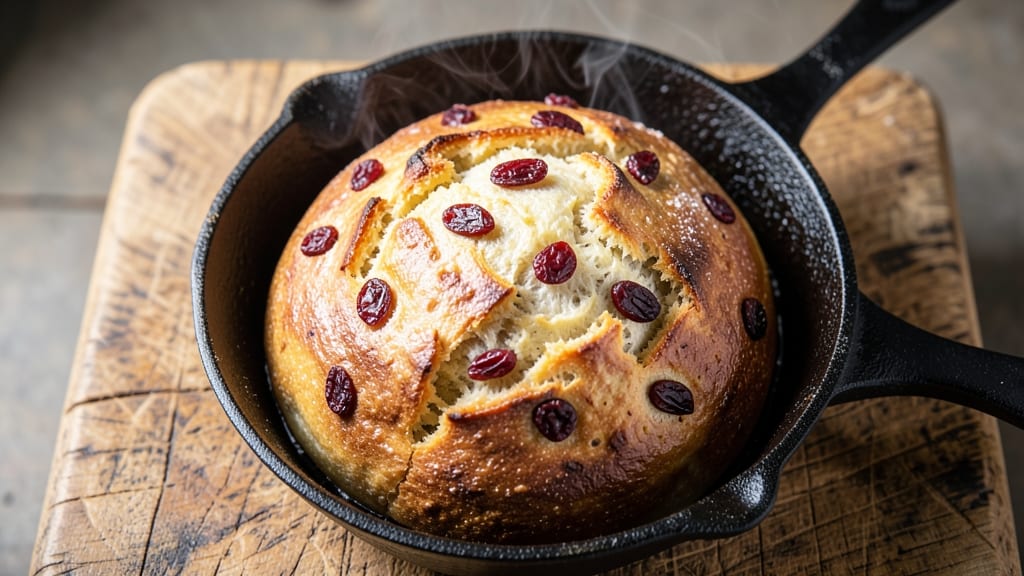
This authentic Irish bread recipe brings the heart of Ireland straight to your kitchen table, where every bite tells a story of tradition and simplicity.
The magic lies in its no-yeast, no-knead preparation—just flour, buttermilk, and baking soda working together to create a rustic loaf with a crispy crust and tender crumb. I've perfected this version after years of baking the classic soda bread that's been a staple in Irish homes for generations.
The beauty of traditional Irish bread is in its effortless charm—no fancy equipment, no complicated techniques, just a bowl, a spoon, and a warm oven. The baking soda activates as the dough bakes, creating that signature rise and texture that sets it apart from regular bread.
This recipe delivers restaurant-quality results with just five simple ingredients and 30 minutes of hands-on time, plus baking.
What makes this bread truly special is its versatility—serve it warm with butter melting into every bite, alongside a hearty Irish stew, or with a cup of tea for that quintessential Irish experience.
The crust develops a golden, slightly crisp exterior while remaining soft inside, striking the perfect balance of textures that define authentic Irish bread.
Perfect for meal prep or serving fresh, this recipe scales beautifully—whether you're feeding a family or sharing with neighbors. The aroma alone will have everyone asking for seconds. Let's get started on this piece of Irish tradition you can bake at home.
Ingredients for authentic irish bread
Five ingredients transform into Ireland's iconic rustic loaf with crisp golden crust and tender crumb.
| Ingredient | Amount | Notes |
|---|---|---|
| All-Purpose Flour 🌾 | 4 cups | Unbleached preferred for rustic texture |
| Buttermilk 🥛 | 1 ½ cups | Full-fat for optimal flavor |
| Baking Soda 🧂 | 1 ½ tsp | Pure, fine-grained for even activation |
| Salt 🧂 | ½ tsp | Diamond Crystal preferred for texture |
| Unsalted Butter 🧈 | ½ cup | Cold, cubed for crust development |
| Freshly Chopped Raisins 🍇 | ½ cup | Optional for traditional sweetness |
The flour is the foundation—King Arthur or Caputo Tipo 00 elevate texture, but all-purpose works beautifully. Buttermilk must be fresh (check expiration dates) for proper acidity, which activates the baking soda. For authenticity, source Irish-style buttermilk from specialty markets if possible, though regular full-fat works fine. The baking soda is non-negotiable; aluminum-free brands like Bob's Red Mill ensure proper leavening. Salt choice matters—Diamond Crystal has finer grains that dissolve better than table salt, creating that perfect balance of flavors.
No buttermilk? Substitute 1.5 cups milk with 1.5 tsp vinegar or lemon juice, let sit 5 minutes. Traditionalists insist on raisins (soaked in warm water if dry), but dried currants or chopped dates work equally well. For a savory version, omit entirely. The butter should be cold and cubed—room temperature butter creates steam rather than crisp crust. Prefer salted butter? Reduce the added salt to 0.25 tsp. The dough's simplicity means every ingredient's quality shows through, so don't skimp on the basics.
This dough keeps 24 hours in the fridge, wrapped tightly in plastic. For best results, bake immediately after mixing. The loaf develops maximum crust crispness when baked 30-40 minutes at 400°F. Store wrapped at room temperature for 2-3 days or freeze for up to 3 months. For meal prep, slice and toast—each piece reheats beautifully in a skillet with butter. The aroma alone makes this worth the effort, and it's even better the next day.
Why You'll Love This Recipe
- Five-Ingredient Magic: This bread comes together with just flour, buttermilk, baking soda, salt, and butter—no fancy pantry trips or last-minute scrambles. Honestly, I keep the same bowl for years because it’s that simple.
- Buttermilk Crust Perfection: That golden crust? Pure buttermilk and baking soda magic—tender inside, crisp on the outside. I’ll be real: it’s the kind of bread that disappears faster than my willpower on a lazy Sunday.
- Weeknight Workhorse: Toss it in the oven while you prep dinner, or slice it for sandwiches all week. Between us, I’ve fed a crowd with this loaf—it’s my go-to for picnics, lunches, or when I’m too tired to think.
- Budget-Friendly Staple: Flour and butter are cheap, but this bread feels like a treat. I bake a batch every two weeks, and it’s always the first thing to vanish—proof it’s worth the pennies.
Step-by-step instructions for authentic Irish soda bread
Traditional Irish soda bread delivers rustic charm with minimal effort—here's how to perfect the texture.
Combine Dry Ingredients for Optimal Rise
In a large mixing bowl, whisk together the 4 cups all-purpose flour and 1.5 teaspoons baking soda until evenly distributed. This ensures even leavening throughout the loaf. Add the ½ teaspoon salt and mix thoroughly to prevent uneven flavor distribution. The baking soda will react with the buttermilk's acidity to create lift, so don't skip this step.
I like to use a whisk for this stage to break up any flour clumps and maximize surface area for the baking soda's activation. The mixture should be homogeneous but not packed down—just enough to create a fine, aerated base for the wet ingredients.
Incorporate Buttermilk and Butter
Make a well in the center of your dry ingredients and pour in the 1½ cups buttermilk. Using a wooden spoon or rubber spatula, gently fold the liquid into the flour until just combined. The dough will be sticky—this is normal and essential for that signature Irish texture. Avoid overmixing, which develops gluten and creates a dense loaf.
Next, cut the ½ cup cold, cubed unsalted butter into small pieces and distribute them evenly throughout the dough. The cold butter will create pockets of fat that render during baking, contributing to that coveted crisp crust. Work quickly but deliberately to maintain the butter's temperature—warm butter will melt and create a tough, dense bread.
Fold in Raisins and Shape the Loaf
Gently fold in the ½ cup freshly chopped raisins using your hands or a spatula. The raisins should be evenly distributed throughout the dough. If you prefer a sweeter loaf, you can increase the raisins, but traditional Irish soda bread often omits them entirely. The key is to handle the dough minimally to preserve its rustic texture.
Turn the dough onto a lightly floured surface and shape it into a round loaf about 1 inch thick. I like to create a slight depression in the center—this traditional design allows the bread to bake evenly while creating that iconic cross pattern. The depression also helps prevent excessive spreading during baking.
Bake for Rustic Perfection
Preheat your oven to 425°F and place a baking sheet on the middle rack. Position a cast-iron skillet or pizza stone on the rack below for maximum heat transfer. This creates the ideal environment for that crisp, golden crust. Transfer your shaped loaf to the prepared baking sheet.
Bake for 25-30 minutes until the bread is deep golden brown and sounds hollow when tapped on the bottom. The internal temperature should reach 190-200°F at its center. The bread should have a crisp crust but remain soft and tender inside—this balance is what makes Irish soda bread so special. Resist the urge to open the oven door early; the sudden temperature change can cause the bread to collapse.
Cool and Serve Traditionally
Remove the bread from the oven and transfer it to a wire rack to cool completely. This resting period allows the internal structure to set properly. I know it's tempting to slice into warm bread, but waiting ensures clean cuts and prevents a gummy texture. The bread will continue to firm up as it cools, developing that perfect crumb.
Slice the bread with a serrated knife and serve warm with butter or clotted cream. The exterior should be crisp with a subtle crackly texture, while the interior remains soft and slightly chewy. This authentic Irish bread captures the essence of traditional baking with minimal ingredients and maximum flavor—just as it's been made for generations.
Pro Tips For Making Authentic Irish Bread
- MEASURE BUTTERMILK PRECISELY: Irish soda bread relies on the tang of buttermilk for that signature tangy crumb. Use a kitchen scale for 1 cup (240g) instead of eyeballing—liquid measurements can vary wildly, and too much throws off the rise. I learned this after a batch turned dense because I used a slightly overfilled measuring cup.
- LET THE DOUGH REST (YES, REALLY): Skip the urge to bake immediately after mixing—give the dough a 10-minute rest while you preheat the oven. This lets the baking soda activate fully and prevents a gummy texture. I used to rush it, and the bread always came out unevenly baked.
- USE COLD BUTTER FOR CRUST: Cut the butter into small cubes and fold it into the dough last—keep it cold until it hits the pan. This creates steam for a crisp crust instead of melting into the batter. My first batch had a sad, flat top because I warmed the butter first.
- SALT THE BUTTERMILK: Dissolve the salt in the buttermilk before mixing—it distributes evenly and prevents clumpy dough. I was lazy about this once and ended up with pockets of saltiness. A pinch (½ tsp) in the liquid makes all the difference.
Creative variations of this recipe
Sweet Raisin Twist
For a classic Irish touch, fold in ½ cup golden raisins soaked in warm water for 10 minutes before mixing into the dough. The slight sweetness complements the buttermilk's tang beautifully. I like to sprinkle extra raisins on top before baking for a decorative crust.
Soak dried currants or chopped dates for a deeper fruit flavor—just ¼ cup adds richness without overpowering. 🍇
Savory Herb Bread
Skip the raisins and add 1 tablespoon fresh rosemary or thyme leaves finely chopped into the dough. The herbs pair wonderfully with the buttermilk's acidity, creating a savory loaf perfect for soups or cheese boards.
For extra depth, mix in ½ teaspoon black pepper or smoked paprika. This variation works beautifully with sharp cheddar or Irish cream cheese slices.
Whole Wheat Version
Replace 1 cup all-purpose flour with whole wheat flour for a nuttier, heartier loaf. The texture will be denser but still tender, with a deeper flavor. Add 1 extra tablespoon buttermilk to compensate for the extra moisture in whole wheat.
I recommend King Arthur whole wheat flour for best results—it blends seamlessly without altering the bread's signature rise. 🌾
No-Buttermilk Substitute
If buttermilk isn't available, mix 1½ cups milk (any kind) with 1½ teaspoons lemon juice or vinegar, then let sit for 5 minutes to curdle. This works perfectly in the recipe, though traditionalists argue the acidity level differs slightly.
For extra richness, use whole milk instead of skim. The bread will still achieve that classic Irish texture, just with a slightly milder tang.
Seeded Crunch Option
Add 2 tablespoons sunflower or pumpkin seeds to the dough for texture and nutrition. Toast the seeds in a dry pan for 2-3 minutes until fragrant before mixing in. The seeds add a delightful crunch that contrasts with the soft crumb.
For a more traditional approach, sprinkle poppy seeds on top before baking. This variation keeps the bread's rustic charm while adding visual appeal and extra flavor layers.
Gluten-Free Adaptation
Use a 1:1 gluten-free flour blend like Bob's Red Mill or King Arthur and reduce the baking soda to 1 teaspoon. Add ½ teaspoon xanthan gum if your blend doesn't include it. The texture will be slightly denser but still delicious.
For best results, let the dough rest for 10 minutes before shaping to help the blend hydrate properly. This version maintains the bread's authentic taste while accommodating dietary needs.
Nutrition facts
Frequently asked questions
Why doesn't my Irish soda bread rise like the recipe promises?
Under-rise usually means the baking soda didn't activate properly. Make sure your buttermilk is fresh (not expired) and properly acidic—add ½ teaspoon extra lemon juice if needed. Also, don't overmix the dough after adding wet ingredients, as this develops gluten that works against the baking soda's lift. The dough should be sticky but not dense.
Can I make this bread without buttermilk?
Mix 1½ cups milk (any kind) with 1½ teaspoons vinegar or lemon juice, then let sit for 5 minutes to curdle. For richer flavor, use whole milk. The bread will still achieve that classic texture, though the tang will be slightly milder than traditional buttermilk.
How do I know when it's fully baked?
Your bread is done when it's deep golden brown and sounds hollow when tapped on the bottom. The internal temperature should reach 190-200°F. The crust should be crisp but not burnt—resist opening the oven door early, as temperature fluctuations can cause collapse. A toothpick inserted should come out clean or with a few moist crumbs.
Should I add raisins to traditional Irish soda bread?
Raisins are optional but traditional in many Irish homes. The classic version often omits them entirely, focusing on the buttermilk's tang. If you add them, soak ½ cup raisins in warm water for 10 minutes first—they'll plump up and sweeten the bread beautifully. For a savory loaf, skip them entirely and add herbs instead.
Can I make this bread in a Dutch oven for a crisper crust?
Yes! Preheat your Dutch oven with its lid on for 30 minutes at 425°F. Transfer the shaped dough to the hot Dutch oven, cover, and bake for 20 minutes. Remove the lid and bake 10-15 more minutes until golden. This method creates an ultra-crisp crust while keeping the interior tender. Just be careful—Dutch ovens get very hot!