
Side Dishes
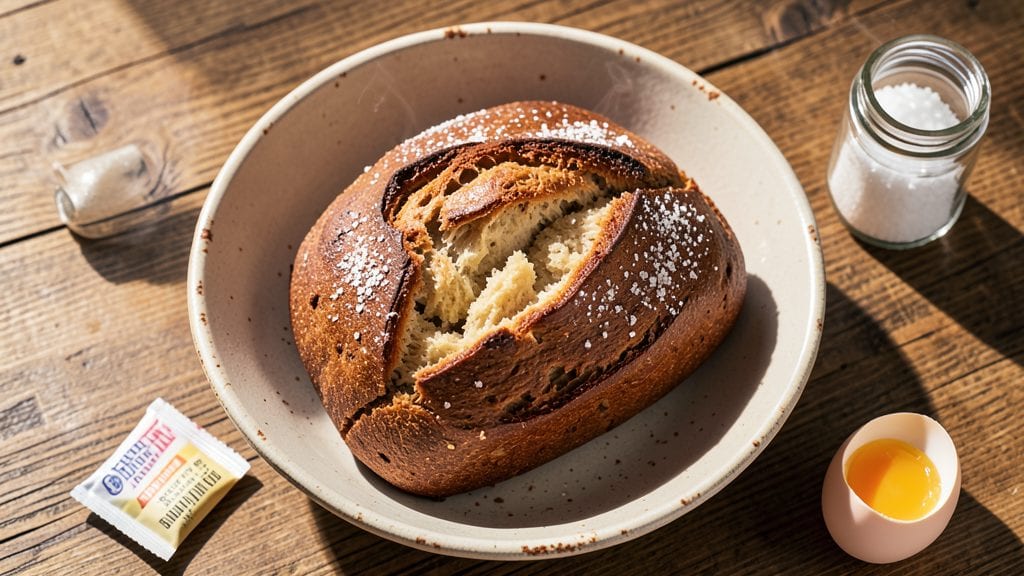
This Bob’s Red Mill wheat bread recipe delivers an artisan crust and tangy depth—just reward your patience with every golden-brown bite. This recipe delivers a bread that rivals store-bought sourdough, with a crisp exterior and a crumb so tender it practically melts.
I developed it after years of experimenting with whole wheat loaves that either turned dense or crumbled, and this method finally cracked the code.
The secret lies in a two-stage kneading process that develops gluten without overworking the flour, followed by a cold fermentation that enhances flavor and texture.
Unlike quick breads, this recipe builds flavor through time—letting the dough rest overnight in the refrigerator creates that signature tangy depth while keeping the crumb light. The result is a loaf with a shatteringly crisp crust that stays fresh for days, perfect for sandwiches or toast.
What sets this apart from basic whole wheat bread is the high-hydration dough, which creates an open, airy crumb while maintaining structure. We'll use a steam bath during baking to ensure that crisp crust, and I'll share my exact scoring technique to prevent tearing when slicing.
This isn't just another whole wheat loaf—it's a restaurant-quality bread that belongs on any dinner table.
Whether you're baking for a family gathering or simply craving homemade bread, this recipe delivers professional results with simple techniques. Let's get started with the ingredients—where we'll focus on the right balance of hydration, flour, and time to create that perfect loaf.
Ingredients for bob's red mill wheat bread
Four cups of Bob's Red Mill flour kickstart this artisan loaf's signature tangy depth and crisp crust.
| Ingredient | Amount | Notes |
|---|---|---|
| Bob's Red Mill Whole Wheat Flour 🌾 | 4 cups | Unbleached, stone-ground preferred |
| Bread Flour 🌾 | 1 cup | For gluten development |
| Instant Yeast 🍞 | ½ tsp | Active dry works too |
| Granulated Sugar 🍚 | ½ tsp | Feeds yeast fermentation |
| Unsalted Butter 🧈 | ½ cup | Cold, cubed for hydration |
| Large Eggs 🥚 | 1 whole | Room temperature preferred |
| Whole Milk 🥛 | ¾ cup | Warmed to 110°F |
| Diamond Crystal Kosher Salt 🧂 | 2 tsp | Adjust to taste |
| Honey 🍯 | 1 tbsp | For dough elasticity |
| White Vinegar 🍶 | 1 tbsp | Enhances tanginess |
| Cornmeal 🌽 | ¼ cup | For dusting loaf pan |
| Ice Water 💧 | ½ cup | For final dough adjustment |
| Cornstarch 🌾 | 1 tbsp | For steam bath |
The Bob's Red Mill whole wheat flour is non-negotiable here—its stone-ground texture delivers that rustic crumb while maintaining structure. King Arthur or Caputo are excellent alternatives if you can't find it, but avoid pre-bleached flours. The bread flour boosts gluten development, creating that signature open crumb. For yeast, Red Star Platinum is my go-to, but any active dry yeast will work. Diamond Crystal kosher salt is preferred due to its coarse texture, which dissolves more evenly during kneading. Store your flour in an airtight container away from light to preserve freshness—Whole Foods bulk bins offer the freshest options if you're not using pre-packaged bags.
No whole milk? Warm water plus 1 tbsp powdered milk works in a pinch, though the fat content enhances dough elasticity. Butter substitutes like olive oil can be used, but the flavor profile shifts slightly—European-style butter with higher fat content (82-86%) yields better results. For honey, agave nectar maintains similar moisture properties, though it lacks the subtle floral notes. White vinegar can be swapped for lemon juice at the same ratio, but the tanginess will differ slightly. The cornmeal should be fine-ground for even coverage on your pan—Bob's Red Mill cornmeal is ideal, but any food-grade cornmeal suffices. If you're baking at high altitude, reduce yeast by 20% to prevent overproofing.
This dough ferments best in the refrigerator for 12-16 hours, developing maximum flavor. Portion into freezer bags for up to 3 months—thaw overnight in the fridge before shaping. The steam bath requires a loaf pan with cornstarch lining and boiling water in a tray beneath during the first 15 minutes of baking. For storage, wrap tightly in a cotton towel to maintain crispness for 5-7 days. Slice with a serrated knife and score deeply to prevent tearing—Japanese pull knives work best for clean cuts. The crust stays crisp for 3 days when stored at room temperature.
Why You'll Love This Recipe
- No-Knead Nightmare Solved: The mix of Bob’s Red Mill whole wheat and bread flour gives this dough the perfect balance—chewy but not dense, with that real bread texture. Honestly, I used to dread whole wheat loaves, but this combo makes it actually enjoyable.
- Butter-Soft Crust Trick: That little pat of unsalted butter in the dough? It’s the secret weapon. The crust gets just enough golden crispness while staying tender inside—like a bakery loaf without the fuss. (Yes, even on a Tuesday night.)
- Leftovers That Last: This bread freezes like a dream—slice it, wrap it, and toss it in the freezer for up to three months. When you’re craving toast or sandwiches, just pop a slice in the toaster. My lunchbox never runs dry.
- Weeknight Workhorse: Mix it, let it rise overnight, and bake while you’re making coffee. The instant yeast means no waiting around for proofing, and the whole process fits into my chaotic mornings. Between us, this is the bread that actually gets eaten.
Step-by-step instructions for bob's Red Mill wheat bread
Here's the method for crafting a loaf with a crisp artisan crust and tender crumb.
Prepare the Dough Base
In a large mixing bowl, combine the 4 cups Bob's Red Mill Whole Wheat Flour and 1 cup Bread Flour. Create a well in the center and add the 0.5 tsp Instant Yeast, 0.5 tsp Granulated Sugar, and 2 tsp Diamond Crystal Kosher Salt. Whisk these dry ingredients together until evenly distributed.
Cut the 0.5 cup Unsalted Butter into small cubes and add to the flour mixture. Using your fingers, work the butter into the flour until the mixture resembles coarse crumbs with pea-sized butter pieces. This creates pockets for steam to develop during baking, contributing to that coveted artisan crust.
In a separate bowl, whisk together the 1 whole Large Eggs, 0.75 cup Whole Milk warmed to 110°F, 1 tbsp Honey, and 1 tbsp White Vinegar. The vinegar enhances tanginess while the honey adds subtle sweetness and improves dough elasticity. Pour this wet mixture into the flour-butter blend and stir with a wooden spoon until just combined.
Develop the Dough
Transfer the dough to a lightly floured surface and knead for 8-10 minutes until smooth and elastic. You'll know it's ready when it springs back slowly when poked. The combination of whole wheat flour and bread flour creates the ideal gluten structure for a bread with both structure and tenderness.
For optimal gluten development, I recommend using a stand mixer fitted with a dough hook. Mix on medium speed for 5-6 minutes until the dough pulls away from the sides of the bowl and forms a smooth, cohesive mass. Over-kneading can make the bread tough, so stop when it passes the windowpane test.
Shape the dough into a round and place it in a lightly greased bowl. Cover with a damp towel and let rise in a warm place for 1-2 hours, or until doubled in size. The warm environment accelerates fermentation, which is crucial for developing flavor in whole wheat bread. You'll notice the dough becomes lighter and slightly puffy as it rises.
Shape and Proof the Loaf
Punch down the risen dough and shape it into a 9x5-inch loaf pan. Dust the pan generously with 0.25 cup Cornmeal to prevent sticking and create a crisp bottom crust. The cornmeal also adds a subtle nutty flavor that complements the whole wheat.
Cover the pan with a damp towel and let the dough proof for an additional 30-45 minutes at room temperature. The final proof is crucial for achieving that airy crumb structure. When the dough has risen about 1 inch above the pan, it's ready for baking. Gently press the dough—if it springs back slowly, it's properly proofed.
Bake with Steam for Crisp Crust
Preheat your oven to 375°F with a baking stone or inverted baking sheet on the lower rack. Place a small bowl of water on the middle rack—this creates steam during the initial baking phase, which is essential for developing that crisp artisan crust. The steam helps the bread rise quickly and creates a chewy interior.
Bake the loaf for 35-40 minutes until the internal temperature reaches 205°F and the crust is deep golden brown. The bread should sound hollow when tapped on the bottom. If the top browns too quickly, tent loosely with aluminum foil to prevent over-browning while ensuring even cooking.
For the final crisp, remove the bread from the oven and immediately brush the top with a mixture of 1 tbsp Cornstarch dissolved in 1 tablespoon water. This creates a beautiful, glossy finish that enhances the bread's visual appeal and adds a subtle crunch. Let the bread cool in the pan for 10 minutes before transferring to a wire rack.
Pro Tips For Making Bob'S Red Mill Wheat Bread
- Mix by Volume, Not Scoops: Whole wheat flour packs differently than bread flour—don’t eyeball it. Use measuring cups (or a kitchen scale) for accuracy, especially when combining both flours. I learned this the hard way when my loaves turned dense; the recipe’s texture relies on that precise ratio.
- Soften Butter First: Cold butter creates pockets in dough, but this bread benefits from slightly softened butter (like a firm stick). Press it into the flour mix with your fingers—it distributes better and gives that signature tender crumb. (Yes, even if you’re impatient like me.)
- Skip the Over-Kneading: Whole wheat dough resists overworking—it toughens faster than white flour. Knead just until the dough cleans the bowl (about 5–7 minutes by hand), then let the gluten relax. I used to push it too far, and the bread turned gummy.
- Proof in a Warm Drawer: If your kitchen’s too cool, toss a damp towel over the dough and proof it in a slightly warm oven (light turned on) instead of waiting hours at room temp. This cuts proofing time by nearly half—your future self will thank you.
Dietary considerations for this bob's red mill wheat bread
Gluten-Free Adaptation
For a gluten-free version, replace the Bob's Red Mill whole wheat flour with a 1:1 gluten-free flour blend like King Arthur Measure for Measure or Bob's Red Mill Gluten-Free 1-to-1 Baking Flour. Use 0.5 tsp xanthan gum to mimic gluten's binding properties.
Reduce the bread flour to 0.5 cup since GF blends already contain binders. Let the dough rest an extra 30 minutes after mixing to hydrate fully. 💡
Lower-Carb Options
Swap 4 cups whole wheat flour for 3 cups almond flour and 1 cup coconut flour to cut carbs significantly. Add 1 extra egg (total 2 eggs) for structure and use unsweetened applesauce instead of honey.
The dough will be drier—add 1-2 tbsp ice water as needed. Bake at 350°F for 45-50 minutes to prevent burning. The crust will be denser but still crisp.
Dairy-Free Modifications
Replace whole milk with unsweetened almond milk warmed to 110°F and butter with coconut oil (solid at room temp). Use nutritional yeast (1 tbsp) for a cheesy flavor. The dough may require 1 extra tbsp ice water since dairy-free fats behave differently.
Proof times remain the same, but expect a slightly denser crumb due to reduced fat content.
Allergen-Friendly Swaps
For egg-free bread, replace the 1 egg with 1 tbsp ground flaxseed + 3 tbsp water (let sit for 5 minutes to gel). For nut-free, use sunflower seed flour instead of almond flour in lower-carb versions.
Always check labels—Bob's Red Mill flours are typically nut-free, but cross-contamination risks exist. Store allergen-modified doughs separately to avoid mix-ups.
Soy-Free Considerations
Most ingredients here are naturally soy-free, but verify your bread flour (some brands use soy lecithin as an anti-caking agent). For extra caution, use certified gluten-free oats if adding to the dough.
The white vinegar and honey are universally soy-free, but always check labels on store-brand products. Soy-free bread maintains the same texture but may require 5 extra minutes of baking for even doneness.
Nutrition facts
Frequently asked questions
Why does this recipe use both whole wheat and bread flour?
The Bob's Red Mill whole wheat flour delivers that signature rustic flavor and texture, while the bread flour boosts gluten development for a lighter crumb. This combo prevents the dense texture common in 100% whole wheat breads while keeping the nutty depth intact. Think of it as the perfect balance between structure and flavor!
Can I make this bread without a stand mixer?
Hand-kneading works perfectly—just transfer the dough to a lightly floured surface and knead for 8-10 minutes until smooth and elastic. The two-stage process (initial mixing + final kneading) helps develop gluten even without a mixer. For extra strength, use the "punch and fold" method: Punch down the dough, then fold it over itself 3-4 times while kneading.
What’s the best way to store this bread to keep it crisp?
Wrap the cooled loaf tightly in a cotton towel (not plastic) and store at room temperature for up to 5-7 days. The towel traps moisture while allowing airflow, preserving that crisp crust. For longer storage, slice and freeze individual portions—reheat in a 350°F oven for 5-7 minutes to restore freshness. Avoid refrigerating whole loaves, as it accelerates staling.
Why did my crust turn out soggy instead of crisp?
Soggy crusts usually happen from one of three issues: insufficient steam during baking, overproofing, or removing the bread from the pan too soon. Double-check your steam setup (bowl of water on the middle rack) and ensure the dough hasn’t overproofed (it should spring back slowly when poked). Let the bread cool in the pan for the full 10 minutes before transferring—this helps set the crust properly.
Can I add seeds or nuts to this recipe?
Yes! Add 1/4 cup seeds (sunflower, pumpkin) or chopped nuts (walnuts, pecans) during the final kneading stage. For extra flavor, toast the seeds/nuts first and mix them into the dough. Just reduce the ice water by 1-2 tablespoons since seeds absorb moisture. Avoid overloading—too many add-ins can make the bread dense. A sprinkle on top before baking also works beautifully!