
Side Dishes
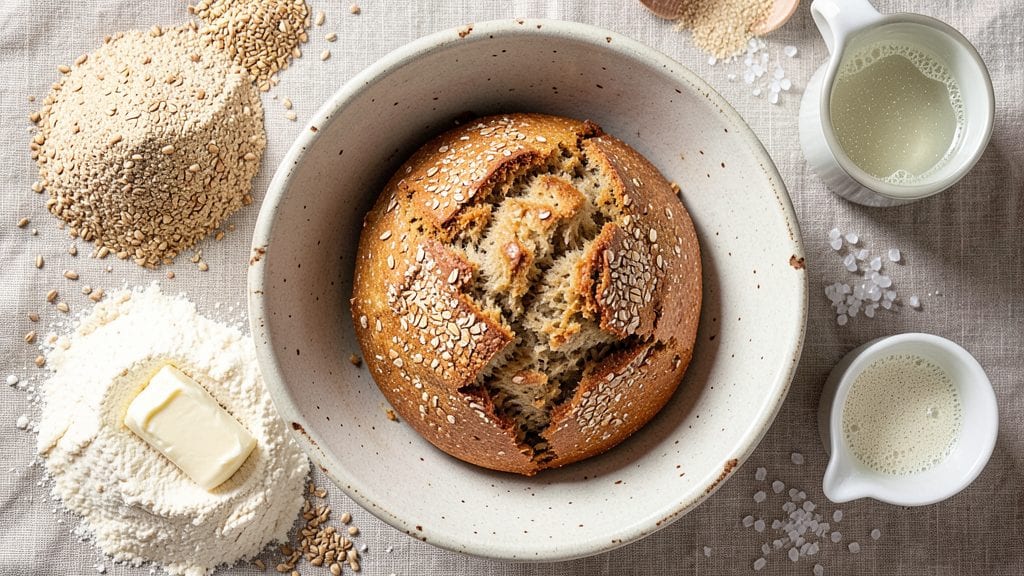
This bran bread recipe delivers the perfect balance of hearty texture and nutty depth—ideal for sandwiches, toast, or serving alongside soups. The secret lies in combining whole wheat flour with bran for a loaf that's both satisfying and packed with fiber.
I developed this version after years of perfecting the crust's crispness and the crumb's tender yet substantial bite.
What sets this recipe apart is its versatility—use it for savory meals or lightly sweetened variations. The dough requires just 15 minutes of prep before rising, and baking at 375°F ensures a golden crust with an open, airy interior.
For those with dietary needs, a vegan option replaces yeast with a plant-based alternative without sacrificing texture.
The result is a loaf with a crisp exterior and a moist, nutty interior that holds up to slicing and toasting. Each bite delivers a satisfying crunch from the bran while maintaining a tender bite. Perfect for meal prep or gifting, this bread stays fresh for days when stored properly.
Whether you're a home baker or new to whole-grain breads, this recipe delivers restaurant-quality results with minimal effort. Let’s get started with the ingredients and step-by-step instructions to achieve that ideal texture and flavor every time.
Ingredients for bran bread
Whole grains, yeast, and precise hydration create this restaurant-quality bran bread with nutty crunch and tender crumb.
| Ingredient | Amount | Notes |
|---|---|---|
| Whole Wheat Flour 🌾 | 3 cups | Lightly sifted for even texture |
| Bran 🌾 | 1 cup | Unprocessed wheat bran preferred |
| Active Dry Yeast 🍞 | 2 ¼ tsp | Freshly opened for potency |
| Granulated Sugar 🍚 | 1 tbsp | Light brown sugar for depth |
| Unsalted Butter 🧈 | ½ cup | Cold, cubed for even distribution |
| Warm Water 💧 | 1 ¼ cups | 110°F for optimal yeast activation |
| Diamond Crystal Kosher Salt 🧂 | 1 ½ tsp | Fine grain for balanced flavor |
| Ground Flaxseed 🌰 | ¼ cup | For added fiber and moisture |
| Honey 🍯 | 1 tbsp | Wildflower for subtle floral notes |
| Extra-Virgin Olive Oil 🫒 | 1 tbsp | For dough elasticity |
| Apple Cider Vinegar 🍎 | 1 tsp | Enhances crust crispness |
The bran and whole wheat flour form the bread's signature texture—look for unprocessed bran at specialty stores like Whole Foods or bulk sections for maximum fiber content. Bob's Red Mill is a reliable brand for consistent quality. Fresh yeast is non-negotiable; if your package is older than three months, activate it in warm water first to confirm potency. For the butter, Land O'Lakes or Plugrá provide reliable fat content without excessive water. The honey should be raw and unfiltered for optimal enzymatic activity, available at health-focused markets like Trader Joe's or Sprouts.
No whole wheat flour? Substitute half with spelt flour for a lighter texture, though the bran's nutty flavor will diminish. Bran shortages? Oat bran at double the amount works in a pinch, though texture may vary. Yeast issues? Instant yeast at half the quantity functions similarly. For the honey, maple syrup provides comparable moisture and subtle sweetness, though it lacks floral depth. The apple cider vinegar can be swapped for white vinegar without altering the final product's character, though flavor will be slightly sharper.
Store the bread in a canvas-lined basket at room temperature for up to three days to maintain crispness. For longer storage, wrap tightly in parchment paper and freeze for three months. Reheat slices at 350°F for 5 minutes to restore freshness. The dough can be refrigerated for up to 12 hours before baking, allowing for flexible scheduling. For meal prep, slice and freeze individual portions—toast directly from frozen for convenience.
Why You'll Love This Recipe
- No-Fuss Mix-In: I swear by the 5-minute knead—just toss the whole wheat flour, bran, and yeast in a bowl, add warm butter, and let the dough come together while I scrub the counters. The bran adds texture without fuss, and the yeast does all the heavy lifting.
- Buttery Crunch Core: That first bite? Warm, slightly sweet from the sugar, with a crust so crisp it could stand up to a bagel. The butter keeps it rich while the bran gives it a satisfying bite—like a hug for your taste buds.
- Breakfast to Brunch: Serve it toasted with jam for a lazy weekend morning or tear it into chunks for a hearty bread pudding. Honestly, I’ve even used it as a base for French toast—soaked in eggs and cinnamon, it’s ridiculous good.
- Budget Stretch: A loaf costs me pennies but feeds the family for days. The whole wheat and bran bulk it up, so I’m not scrambling for extra ingredients, and it stays fresh for ages—perfect for when I forget to buy groceries.
Step-by-step instructions for bran bread recipe
Follow this method for a dense, nutritious loaf with a crisp crust and moist interior.
Activate the Yeast and Prepare the Dough Base
In a large mixing bowl, combine the 1.25 cups warm water (tested at 110°F) with the 1 tbsp granulated sugar and 2.25 tsp active dry yeast. Let this mixture sit for 5-7 minutes until it develops a frothy, bubbly surface—this confirms the yeast is active and ready to work. If no bubbles form, your yeast may be stale, and you'll need to start over.
Once activated, add the 1 cup bran, 0.25 cup ground flaxseed, 1 tbsp honey, 1 tbsp extra-virgin olive oil, and 1 tsp apple cider vinegar to the yeast mixture. Stir well to fully incorporate these ingredients. The vinegar will enhance the crust's crispness later, while the honey and olive oil contribute to the dough's elasticity and moisture retention. Let this mixture rest for 5 minutes to allow the bran to hydrate fully.
Combine Wet and Dry Ingredients for Optimal Texture
In a separate bowl, whisk together the 3 cups whole wheat flour and 1.5 tsp diamond crystal kosher salt. Lightly sift the flour to avoid lumps, which can lead to an uneven crumb in the finished loaf. Gradually add this dry mixture to the wet ingredients, mixing with a wooden spoon or dough whisk until a shaggy dough forms. The bran and flaxseed will make the dough slightly denser than traditional bread dough, so avoid overmixing at this stage.
Next, cut the 0.5 cup unsalted butter into small cubes and add them to the dough. Use your hands or a dough scraper to work the butter into the mixture until it's fully incorporated and the dough begins to come together. The cold butter will create pockets of fat in the finished bread, contributing to its tender yet hearty texture. Once combined, turn the dough out onto a lightly floured surface and knead gently for 5-7 minutes, just until it becomes smooth and elastic. Overkneading can develop too much gluten, making the bread dense rather than light.
First Rise for Flavor Development
Shape the dough into a round loaf and place it in a lightly greased bowl, seam-side up. Cover the bowl with a damp kitchen towel or plastic wrap and allow the dough to rise in a warm place for 1-1.5 hours, or until it has doubled in size. The warmth encourages yeast activity, while the damp cover prevents the dough from drying out. You'll know it's ready when the dough springs back slowly when gently pressed with a fingertip—a sign that the gluten has relaxed and the bread will bake evenly.
Real talk: Your kitchen might not be warm enough for this rise. If the dough doesn't double in the allotted time, place the bowl near a turned-on oven with the light on (no heat) or use a proofing box set to 80°F. Patience here ensures a well-risen loaf with an open crumb structure. Once fully risen, the dough will have a slightly nutty aroma from the bran and flaxseed, a sign that flavor development is underway.
Shape, Score, and Bake for a Crisp Crust
Preheat your oven to 375°F and place a baking stone or inverted baking sheet on the middle rack. This ensures even heat distribution and a crisp crust. Once preheated, transfer the risen dough to a parchment-lined baking sheet and shape it into a round loaf, about 8 inches in diameter. Use a sharp serrated knife to score the top of the dough in a decorative pattern—this allows steam to escape during baking, preventing the loaf from cracking unpredictably.
Bake the bread for 40-45 minutes, until the crust is deep golden brown and the internal temperature reaches 190°F when measured with an instant-read thermometer. The bread should sound hollow when tapped on the bottom. If the top browns too quickly, tent the loaf with foil to prevent over-browning while ensuring the interior cooks through. The apple cider vinegar in the dough will contribute to that signature crisp crust, while the bran and flaxseed add a satisfying nutty crunch.
Cool and Serve for Maximum Flavor
Remove the bread from the oven and transfer it to a wire rack to cool completely for at least 30 minutes. This step is crucial—cooling allows the bread to set properly, ensuring clean slices and preventing a gummy texture. The interior should be moist but not wet, with a tender crumb that holds its shape when sliced. If the bread cools too quickly, it may develop a tough exterior, so resist the urge to slice it immediately.
Once fully cooled, slice the bread into 4 equal servings and serve warm or at room temperature. The bran bread pairs beautifully with soups, stews, or as a hearty accompaniment to breakfast. Store any leftovers in an airtight container at room temperature for up to 3 days or freeze for longer storage. The nutty, slightly sweet flavor from the bran and honey makes this bread a standout in any meal.
Pro Tips For Making Bran Bread
- STIR THE BRAN FIRST: Mix the bran with a splash of warm water before adding it to the dough—this prevents clumping and ensures even distribution. I used to just dump it in dry, and the bread turned out with weird dense pockets where the bran hadn’t absorbed anything.
- USE COOLER WATER FOR YEAST: Active dry yeast hates heat. Mix it with lukewarm water (around 105°F) and let it sit for 5 minutes before adding other liquids—this guarantees it activates properly. I learned this after my first batch failed to rise; now it puffs up like it’s supposed to.
- DON’T OVERMIX THE DOUGH: Stop kneading once the dough pulls away from the bowl and looks smooth but slightly tacky. Overworking it develops too much gluten, making the bread dense instead of light. My first few attempts turned out like bricks because I kept folding it like I was making pie dough.
- LET THE DOUGH RISE TWICE: A single rise won’t cut it for bran bread. After the first rise, punch it down and let it sit another 30–45 minutes before shaping—this extra step improves texture. I skipped it once, and the bread was gummy; now it’s got that perfect crumb.
Serving suggestions for this recipe
Toast Perfection
For the ultimate toast, slice your bran bread into ½-inch thick pieces and toast in a non-stick skillet over medium heat with 1 tsp butter or 1 tbsp olive oil until golden brown on both sides.
Brush with a thin layer of honey or jam while warm for extra richness. I love adding a sprinkle of flaky sea salt for contrast. 🔥
Soup Pairings
This hearty bread is perfect for dipping into creamy tomato basil soup or lentil stew. The bran’s nutty texture stands up to rich broths, while the crust soaks up every last drop.
For a lighter option, pair with minestrone soup or vegetable broth-based soups. Serve warm slices with a side of sharp cheddar cheese for dipping.
Breakfast Serving
Transform your bran bread into a breakfast star by toasting slices and topping with almond butter and banana slices, or avocado mash and cherry tomatoes. For a savory twist, spread with herbed cream cheese and smoked salmon.
The bread’s fiber keeps you full, while the toppings add protein and healthy fats for a balanced meal. ✨
Sandwich Base
Use thick slices of this bread for grilled cheese sandwiches—the bran adds substance without overpowering the cheese. I recommend sharp cheddar and Gruyère for a melty, flavorful combo.
For a savory lunch, layer with turkey, hummus, and cucumber slices. The bread’s density holds up to wet fillings better than lighter breads.
Dessert Twist
Drizzle cooled slices with melted dark chocolate and sprinkle with crushed nuts or sea salt flakes for a quick dessert. The bran’s earthy notes balance the sweetness beautifully. For a boozy variation, brush warm slices with orange liqueur or rum before toasting. 💫
Meal Prep Strategy
Slice the bread and store in an airtight container with a paper towel to prevent sogginess. Reheat slices in a toaster oven at 350°F for 5 minutes or wrap in foil and warm in a skillet over medium heat for 2 minutes per side.
Pre-sliced bread stays fresh for 5 days in the fridge or 3 months in the freezer.
Nutrition facts
Frequently asked questions
Why does my bran bread turn out dense instead of light?
Overmixing the dough develops too much gluten, making the bread dense. Mix just until combined, then knead gently for 5-7 minutes—no more! The bran also absorbs moisture differently than flour, so avoid adding extra water. Let the dough rise fully (1-1.5 hours) in a warm spot for proper air pockets.
Can I make this bran bread without yeast?
Yes! Replace the yeast with 1 tbsp baking powder and 1 tbsp baking soda for a quick-bread version. Reduce the honey to ½ tbsp and bake at 375°F for 30-35 minutes. The texture will be denser but still nutty and flavorful. This works well for meal prep or when you need bread fast.
How do I store bran bread to keep it fresh longer?
Store at room temperature in a canvas-lined basket for 3 days to maintain crispness. For longer storage, wrap tightly in parchment paper and freeze for 3 months. To revive stale slices, warm in a 350°F oven for 5 minutes or toast in a skillet with butter. The bran absorbs moisture quickly, so avoid plastic bags.
What’s the best way to add seeds or nuts to this recipe?
Stir in ¼ cup chopped walnuts, sunflower seeds, or pumpkin seeds during the final mixing stage. For even distribution, pulse them in a food processor first. Toast the seeds/nuts at 350°F for 5 minutes before adding to enhance flavor. Avoid overloading—too many can make the bread dry.
Can I substitute whole wheat flour for all-purpose?
Not ideal—whole wheat flour provides the bran’s signature texture and fiber. If you must, replace 1 cup whole wheat flour with all-purpose, but reduce the bran to ½ cup to avoid heaviness. The flavor will be milder, and the crust less crisp. For best results, stick with the original ratio for that nutty crunch.