
Main Courses
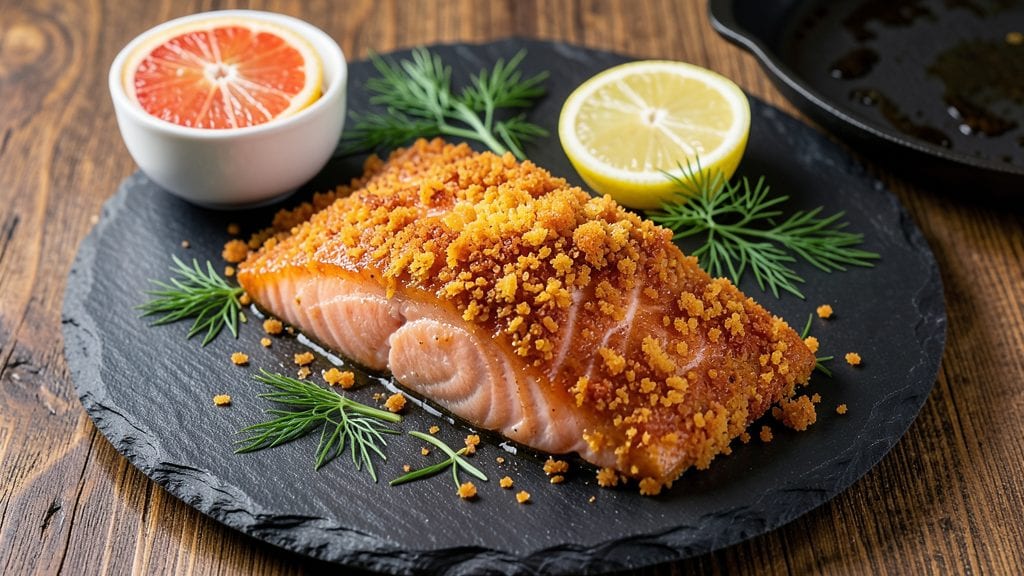
This bread salmon recipe delivers a crispy panko crust and juicy inside, turning simple weeknight dinners into restaurant-worthy meals. After testing countless variations, I’ve perfected a technique that delivers a golden, shatteringly crisp exterior while keeping the salmon tender and moist—no soggy breading here.
The secret lies in properly drying the fish and using a double-dredge method for maximum crunch.
This recipe requires just five key ingredients—salmon fillets, panko breadcrumbs, eggs, flour, and seasonings—plus optional herbs or spices for customization. Whether you prefer frying for extra crispiness or baking for a lighter approach, the method ensures foolproof results every time.
The breading stays crisp even after resting, so you can serve it immediately or reheat without losing texture.
What you’ll end up with is a perfectly balanced dish: a crunchy panko crust that gives way to flaky, buttery salmon beneath. The exterior develops a golden-brown hue with subtle caramelization, while the inside remains moist and rich.
Serve with lemon wedges, tartar sauce, or a fresh salad for a complete meal that’s elegant yet effortless.
For those watching their diet, this version uses minimal oil and delivers high-protein satisfaction without heaviness. The recipe scales easily for family dinners or meal prep, making it a versatile addition to your weekly rotation. Let’s get started on creating your crispiest, juiciest breaded salmon yet.
Ingredients for bread salmon
Five essential ingredients transform simple salmon into restaurant-quality crunchy perfection.
| Ingredient | Amount | Notes |
|---|---|---|
| Fresh Salmon Fillets 🐟 | 1 ½ lb | Skin-on, center-cut for even cooking |
| Japanese Panko Breadcrumbs 🍞 | 1 ½ cups | Light and crispy, not fine breadcrumbs |
| Large Eggs 🥚 | 2 whole | Room temperature for even coating |
| All-Purpose Flour 🌾 | ½ cup | Fine sifted for smooth dredging |
| Diamond Crystal Kosher Salt 🧂 | 1 tbsp | For seasoning, not iodized table salt |
| Freshly Ground Black Pepper 🌶️ | ½ tsp | Cracked peppercorns preferred |
| Extra-Virgin Olive Oil 🫒 | ¼ cup | Light variety for frying, not heavy |
| Fresh Lemon Juice 🍋 | 2 tbsp | Brightens flavor, not bottled |
| Dried Parsley Flakes 🌿 | 1 tsp | Optional garnish, not fresh |
The salmon selection is critical—center-cut fillets with skin ensure even cooking and prevent curling. Wild-caught Alaskan or sockeye from Trader Joe's or Whole Foods delivers optimal texture. Pat the fillets thoroughly with paper towels before breading to remove surface moisture, which is the secret to that shatteringly crisp crust. The skin acts as a natural barrier, keeping the fish intact during cooking. For best results, purchase fillets the day you plan to cook them to ensure peak freshness and firmness.
Japanese panko is non-negotiable here—its light, airy structure creates the perfect crispy exterior. Store-brand panko from Asian markets often provides superior quality over generic supermarket brands. Need a substitute? Crushed cornflakes or crushed potato chips work in a pinch, though texture will differ. The eggs should be room temperature, as cold eggs create a gummy coating. For extra flavor, add a pinch of garlic powder or smoked paprika to the flour mixture. The lemon juice serves dual purposes: it tenderizes the salmon slightly and balances the richness of the breading, so don't skip this bright acidity.
Store fresh salmon in its original packaging on ice until ready to use, then transfer to a plate lined with paper towels to absorb excess moisture. Use within 1-2 days of purchase for optimal texture. Panko breadcrumbs keep indefinitely in an airtight container in a cool, dark pantry, while eggs should be refrigerated and used within 3 weeks of purchase. For meal prep, bread the salmon ahead and refrigerate on a wire rack—this prevents sogginess. When ready to cook, the breading will crisp up beautifully, maintaining its texture even when reheated.
Why You'll Love This Recipe
- Crisp in Minutes: I swear by the panko crust—just 10 minutes in the oven, and you’ve got that golden, shatteringly crispy shell. No frying mess, no waiting forever. Honestly, the eggs and flour mix is the only "work" you’ll do, and it’s worth it.
- Salmon’s Best Friend: That panko doesn’t just hide the fish—it elevates it. The salt in the crust cuts through the richness, while the panko’s toasty bite balances the salmon’s natural buttery melt. Between us, it’s the only way I’ll eat salmon now.
- Weeknight to Dinner Party: Same recipe, zero guilt. Toss it together for a lazy Tuesday or double the batch for guests—no one will guess it’s the same effort. I’ve served it with lemon-dill rice or a simple salad, and it never disappoints. (Yes, even on a Tuesday night.)
- Leftovers That Don’t Suck: Cold breaded salmon? Actually delicious. The crust stays crisp, the fish stays moist, and it’s perfect for wraps, grain bowls, or just reheating with a sprinkle of flaky salt. My lunchbox’s new bestie—no sad, dry fish here.
Step-by-step instructions for crispy panko-breaded salmon
Mastering this technique delivers a perfect balance of crunchy exterior and moist interior every time.
Prepare the Salmon and Seasoning Base
Pat the 1.5 lb fresh salmon fillets completely dry with paper towels, removing any excess moisture from the surface. This critical step ensures maximum crispiness in the breading. Using a sharp chef's knife, trim away any large fat deposits or uneven edges to create an even surface for coating.
In a shallow dish, combine the 0.5 cup all-purpose flour with the 1 tbsp diamond crystal kosher salt and 0.5 tsp freshly ground black pepper. Mix thoroughly to eliminate any flour lumps. This dry seasoning will create the initial adhesion layer for the breading. Place this dish within easy reach of your workstation for efficient assembly.
Create the Egg Wash and Breading Station
In a separate shallow dish, lightly beat the 2 whole large eggs until just combined - no need for vigorous whisking. The eggs should be uniform in consistency but still slightly thick. This creates the perfect binding medium between the salmon and breadcrumbs. I find using room temperature eggs prevents them from absorbing too much moisture from the cold salmon.
In a third shallow dish, spread out the 1.5 cups japanese panko breadcrumbs in an even layer. The panko's light, airy structure creates that signature crispy texture we're after. Arrange your three dishes in sequential order: flour mixture first, egg wash second, and panko breadcrumbs last. This organized setup prevents cross-contamination and ensures clean, efficient coating.
Bread the Salmon for Maximum Crispiness
Working with one fillet at a time, press each salmon fillet gently but firmly into the flour mixture, coating all surfaces evenly. The flour acts as both a seasoning carrier and initial adhesion layer. Tap off any excess flour by lightly shaking the fillet over the dish. Transfer immediately to the egg wash, allowing any excess flour to dissolve slightly before proceeding.
Dip the floured fillet into the egg wash, ensuring complete coverage on all sides. Let any excess egg drip off before pressing the fillet into the panko breadcrumbs. Press firmly to adhere the breadcrumbs completely - this is where you create that signature crunch. Repeat this breading process with all salmon fillets, working quickly to maintain the egg wash's binding properties. Place the breaded fillets on a wire rack set over a baking sheet to prevent sticking.
Fry Until Golden Brown and Crisp
Heat the 0.25 cup extra-virgin olive oil in a large skillet over medium-high heat until it shimmers but doesn't smoke - about 3-4 minutes. The oil should be hot enough to sizzle gently when a breadcrumb is dropped in. Working in batches to avoid crowding, carefully place the breaded salmon fillets in the skillet, leaving space between each piece for even cooking.
Cook for 3-4 minutes per side until the breading develops a deep golden brown color and the salmon reaches an internal temperature of 145°F at its thickest point. The breading should be crispy enough to resist when pressed gently with tongs. Transfer the cooked fillets to a paper towel-lined plate to drain excess oil while you complete the remaining batches.
Finish with Lemon and Garnish
While still hot, drizzle each salmon fillet with 1 tablespoon fresh lemon juice (dividing the total 2 tbsp evenly). The acidity brightens the flavors and cuts through the richness of the breading. Immediately sprinkle with 1/4 teaspoon dried parsley flakes (dividing the total 1 tsp evenly) for a pop of color and subtle herbal note. Serve immediately while the breading remains crispy and the interior stays juicy.
This method guarantees a restaurant-quality result where each bite delivers that satisfying crunch followed by perfectly moist salmon. The key lies in maintaining precise temperatures and working efficiently through the breading process to prevent moisture buildup that would compromise the crispiness.
Pro Tips For Making Bread Salmon
- Pat the Salmon Dry: I learned this the hard way—wet salmon won’t crisp. After frying, I’d end up with soggy breading and a sad, greasy mess. Grab paper towels and press firmly for 30 seconds per side. The extra effort guarantees that golden crust you’re after.
- Use Cold Eggs for Crisp: I was skeptical until I tried it: cold eggs from the fridge create a thicker, more stable coating than room-temperature ones. Crack them into a bowl, whisk lightly, then let the salmon sit in the egg wash for 30 seconds before dredging—no need to overcomplicate it.
- Double-Dredge for Texture: This isn’t the prettiest method, but it’s the tastiest. After the egg wash, coat the salmon in flour first, then panko, then flour again, finishing with a final layer of panko. The extra step locks in that crunchy exterior while keeping the inside tender.
- Monitor Oil at 350°F: Start hot, finish low. Too high, and the breading burns before the salmon cooks through. Too low, and you’ll end up with greasy, undercooked fish. Use a thermometer, and if the oil dips below 340°F mid-fry, give it 30 seconds to recover before adding more pieces.
Dietary considerations for this dish
Gluten-Free Adaptation
For a gluten-free version, replace the all-purpose flour with ½ cup gluten-free flour blend (like Bob's Red Mill 1:1) mixed with 1 tbsp cornstarch for better adhesion. Use gluten-free panko breadcrumbs—brands like Schär work well—though texture may be slightly denser than traditional panko.
The double-dredge method still applies, but press the breadcrumbs extra firmly to compensate for reduced gluten binding. 🌾
Low-Carb/Keto Version
Skip the flour entirely and use ½ cup almond flour mixed with 1 tsp xanthan gum (to mimic gluten's binding properties) for the first dredge. For the breading, opt for crushed pork rinds or crushed macadamia nuts instead of panko—they add crunch without carbs.
The salmon will still achieve that satisfying crunch while keeping the dish keto-friendly. 🥜
Dairy-Free Options
Replace the egg wash with a flax egg (1 tbsp ground flaxseed + 3 tbsp water per egg) or a aquafaba wash (3 tbsp chickpea brine, whipped to stiff peaks).
For extra richness, add 1 tbsp nutritional yeast to the panko mixture. The texture remains crispy, and the dish stays entirely dairy-free while keeping all the flavor. 🌱
Allergen-Friendly Tips
If nut allergies are a concern, use crushed cornflakes or crushed potato chips (like Lay's Classic) as panko substitutes—they mimic the crispy texture without nuts. For egg-free breading, try a chickpea flour slurry (2 tbsp flour + 3 tbsp water) as a binder.
Always double-check labels to avoid hidden allergens in breadcrumbs or seasoning blends. 🚫🥚
Protein-Packed Boost
Increase the protein content by adding 2 tbsp finely chopped fresh dill or 1 tbsp smoked paprika to the panko mixture. For extra crunch, mix in ¼ cup crushed pork rinds—they add a meaty texture without gluten.
This version keeps the same crispy exterior while boosting nutritional value with added herbs and spices. 💪
Nutrition facts
Frequently asked questions
Can I bake instead of frying this breaded salmon?
Preheat your oven to 400°F and place the breaded fillets on a wire rack over a baking sheet. Bake for 12-15 minutes until golden brown and the internal temperature reaches 145°F. For extra crispiness, broil for 1-2 minutes at the end. The texture will be slightly less crisp than fried but still delicious and lighter.
Why is my breading falling off the salmon?
This usually happens when the fish isn't properly dried or the breading isn't pressed firmly enough. Pat the salmon completely dry with paper towels before breading, and press the panko extra firmly during the second dredge. Also ensure your egg wash isn't too runny—it should coat but not drip excessively.
How do I keep the breading crispy when reheating?
Reheat in a 375°F oven for 5-7 minutes on a wire rack (not a plate) to allow air circulation. For extra crunch, broil for 1-2 minutes at the end. Avoid microwaving as it makes breading soggy. For best results, serve immediately after cooking.
What's the best way to store leftover breaded salmon?
Let it cool completely, then store in an airtight container in the fridge for up to 3 days. For longer storage, freeze for up to 1 month—wrap each piece individually in parchment paper before placing in a freezer bag. Reheat using the oven method above for crispy results.
Can I use frozen salmon for this recipe?
Yes, but thaw it completely first in the refrigerator (not at room temperature). The extra moisture from frozen fish can make the breading less crisp, so pat it very thoroughly dry before breading. For best texture, use fresh salmon whenever possible.