
Side Dishes
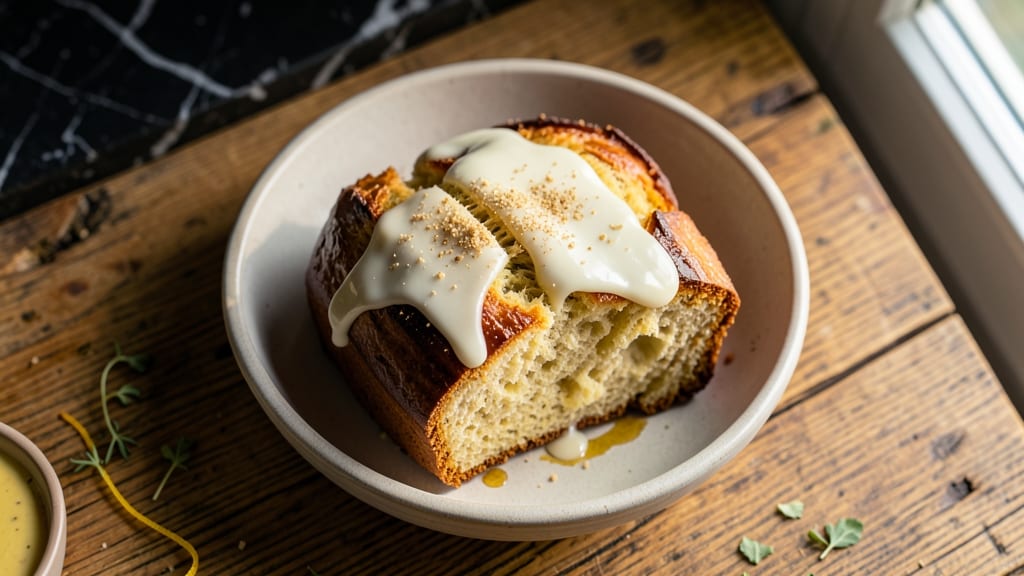
This 0-carb yogurt bread recipe delivers the perfect keto-friendly crust with zero net carbs—ideal for low-carb diets without sacrificing texture. The secret lies in using plant-based yogurt (like coconut or almond) paired with almond flour and psyllium husk for structure, creating a soft yet sturdy loaf.
Unlike traditional bread, this version stays compliant while offering a satisfying, slightly tangy bite.
The beauty of this recipe is its simplicity: just five key ingredients and 20 minutes of prep, followed by a 30-minute bake. No refined flours or hidden carbs here—just wholesome, low-carb staples that bind together beautifully.
The psyllium husk acts as a natural binder, mimicking gluten’s elasticity, while the yogurt adds moisture and a subtle tang that elevates every slice.
What you’ll end up with is a light, fluffy loaf that toasts like a dream and pairs perfectly with soups, salads, or butter. The crust holds its shape without being dense, and the crumb remains tender enough to enjoy fresh or toasted.
Best of all, it’s vegan-friendly and fits seamlessly into keto, paleo, or gluten-free lifestyles.
For extra flavor, try brushing the top with melted butter before baking or sprinkling seeds for crunch. This bread proves that low-carb doesn’t mean bland—just foolproof, delicious, and completely compliant. Let’s get baking!
Ingredients for 0 carb yogurt bread
Five low-carb staples transform into a keto-friendly loaf with zero net carbs and vegan-friendly structure.
| Ingredient | Amount | Notes |
|---|---|---|
| Unsweetened Almond Flour 🌰 | 1 ½ cups | Finely ground, no additives |
| Plant-Based Yogurt (Coconut or Almond) 🥛 | ¾ cup | Unflavored, full-fat preferred |
| Psyllium Husk Powder 🌿 | 2 tbsp | Pure, unsweetened psyllium husk |
| Baking Powder 🧂 | 1 tsp | Aluminum-free, gluten-free |
| Salt 🧂 | ¼ tsp | Fine sea salt, no iodine |
| Melted Coconut Oil 🥥 | ¼ cup | Cooled but still liquid |
| Vanilla Extract 🌸 | ½ tsp | Pure, alcohol-free preferred |
| Lemon Zest 🍋 | 1 tsp | Freshly grated, organic preferred |
| Ground Flaxseed 🌾 | 1 tbsp | Freshly ground for binding |
| Water 💧 | ¼ cup | Room temperature, filtered |
| Sesame Seeds (Optional) 🌻 | 1 tbsp | For topping, toasted |
The almond flour is non-negotiable for texture—Bob’s Red Mill or Anthony’s Goods brands deliver consistent quality. Psyllium husk acts as the gluten substitute, so sourcing pure, unsweetened powder from health food stores like Whole Foods or Sprouts ensures proper binding. For the yogurt, So Delicious coconut or Silk almond yogurt are reliable choices, but avoid flavored varieties—they often contain hidden sugars. The lemon zest adds brightness without carbs, so organic lemons from the produce section work best. If you can’t find pure psyllium husk, Metamucil unsweetened powder is a backup, though it may contain additives.
No almond flour? Sunflower seed flour works in a pinch, though texture will differ slightly. Substitute chia seeds for flaxseed at a 1:1 ratio, but let them sit for 5 minutes to gel. For the yogurt, Greek-style coconut yogurt adds creaminess if you prefer a tangier flavor. The baking powder must be aluminum-free—check the label, as some brands include it. If you’re short on time, pre-ground psyllium husk from bulk bins saves prep work. The coconut oil can be swapped for avocado oil if you prefer a neutral flavor, but it may alter the bread’s slight tropical undertone.
Store the loaf in an airtight container at room temperature for up to 3 days, or freeze for 3 months for maximum freshness. For best results, toast slices in a dry skillet to revive crispness. The psyllium mixture thickens quickly—mix it last to avoid over-developing the dough. This bread reheats beautifully in a 350°F oven for 5 minutes or microwave for 20 seconds. Portion into single slices before freezing to prevent sogginess.
Why You'll Love This Recipe
- Five-Ingredient Miracle: I swear by this—just almond flour, yogurt, psyllium husk, baking powder, and salt. That’s it. No measuring cups to stress over, no waiting for dough to rise. Honestly, it’s the kind of recipe that makes me feel like I’ve hacked baking without actually trying.
- Tangy Crisp Magic: The psyllium husk gives it that perfect crunch, while the coconut or almond yogurt keeps it light and tangy. It’s not sweet, not bland—it’s got this clean, almost buttery richness that pairs with everything. (Yes, even on a Tuesday night.)
- Meal Prep MVP: I make a batch on Sundays, slice it, and store it in the fridge for toast, sandwiches, or dipping in hummus all week. Freezes like a dream too—just thaw and toast. Between us, this is how I survive busy mornings without sacrificing flavor.
- Budget-Friendly Staple: Almond flour and psyllium husk might sound fancy, but they last forever, and a little goes a long way. I buy them in bulk, and this recipe stretches my grocery budget without sacrificing texture or taste. Not the prettiest, but the taste makes up for it every time.
Step-by-step instructions for keto-friendly yogurt bread
This zero-carb bread delivers the perfect keto-friendly texture with a crisp crust and tender crumb.
Combine Dry Ingredients for Optimal Texture
In a medium bowl, whisk together the 1.5 cups unsweetened almond flour with the 2 tbsp psyllium husk powder, 1 tsp baking powder, and 0.25 tsp salt. The psyllium husk is crucial here—it acts as a natural binder and gluten substitute, creating that signature bread-like texture while keeping it completely carb-free. Sift the mixture lightly to remove any lumps and ensure even distribution of the baking powder for proper rise.
Add the 1 tbsp ground flaxseed and 1 tsp lemon zest to the dry ingredients. The flaxseed provides additional binding power, while the lemon zest infuses subtle brightness that pairs beautifully with the yogurt's tang. Mix thoroughly but avoid overworking the flour, as this can develop unwanted grittiness in the final texture.
Prepare the Wet Ingredients for Perfect Binding
In a separate bowl, combine the 0.75 cup plant-based yogurt, 0.25 cup melted coconut oil, and 0.5 tsp vanilla extract. The coconut oil should be fully melted but not hot—just warm enough to blend smoothly with the yogurt. Let the mixture sit for 2 minutes to allow the coconut oil to cool slightly and prevent potential curdling when mixed.
Add the 0.25 cup room temperature water and mix until completely homogeneous. This liquid mixture should be slightly thicker than heavy cream but still pourable. The temperature of the water is important—too cold and the psyllium won't activate properly; too warm and you risk developing a gummy texture in your final bread.
Hydrate the Dough for Ideal Consistency
Gradually pour the wet ingredients into the dry ingredients while mixing on low speed with a hand mixer or whisk. Begin on low to prevent splattering from the psyllium husk, which can be quite active when first hydrated. Mix for 1-2 minutes until you achieve a thick, shaggy dough that pulls away from the sides of the bowl but still feels slightly sticky.
This is where the magic happens—the psyllium husk will begin to swell and create a gel-like consistency that mimics traditional bread dough. The dough should be thick enough to hold its shape when dropped from a spoon but still pliable. If it feels too dry, add 1 tsp more water; if too wet, add 1 tbsp more almond flour to achieve the perfect balance.
Shape and Rest for Structural Integrity
Transfer the dough to a parchment-lined loaf pan and smooth the top with a wet spatula. Press gently but firmly to remove any air bubbles and create an even surface. The dough will be quite dense at this stage—don't be surprised if it doesn't look like traditional bread dough. Cover the pan tightly with plastic wrap and refrigerate for at least 30 minutes or up to 2 hours.
This resting period allows the psyllium husk to fully hydrate and develop its binding properties, which is essential for that satisfying bread-like crumb. The longer you rest the dough, the better the texture will be, but even 30 minutes makes a noticeable difference. During this time, preheat your oven to 350°F for optimal baking conditions.
Bake to Golden Perfection with Crisp Edges
Remove the dough from the refrigerator and carefully transfer it to the preheated oven. Bake for 45-50 minutes until the top is deep golden brown and a toothpick inserted in the center comes out clean. The edges should be crisp while the interior remains tender—this is the hallmark of properly baked keto bread.
If the top browns too quickly before the interior is fully baked, loosely cover with aluminum foil after the first 20 minutes of baking. For the optional sesame seed topping, sprinkle 1 tbsp toasted sesame seeds evenly over the top during the final 5 minutes of baking. Allow the bread to cool in the pan for 10 minutes before removing to a wire rack to prevent crumbling.
Pro Tips For Making 0 Carb Yogurt Bread
- Whisk the Psyllium First: Mix the psyllium husk powder with 1-2 tablespoons of cold water before adding it to the wet ingredients—this prevents clumping and guarantees a smooth, elastic dough. I learned this the hard way after fighting lumps in my first batch; now I just stir it into a paste first.
- Don’t Overmix the Dough: Once the psyllium and yogurt combine, stop folding after 3-4 turns—any more and you’ll toughen the gluten-free texture. The dough should look shaggy, not silky, or your bread will turn out dense. Trust the feel, not the look.
- Preheat Pan to Medium: Use a nonstick skillet on medium heat (not high) to avoid burning the outside before the center cooks. I used to rush this and ended up with a crispy shell and a cold middle—now I wait until the edges lift easily before flipping.
- Press Firmly, Then Rest: When shaping the loaf, press the dough into the pan hard enough to hold its shape, then let it sit 5 minutes before flipping. This keeps it from falling apart, and the rest time also helps the psyllium bind properly—no more crumbling disasters.
Best sauces and condiments for this recipe
Tangy Yogurt Spread
This bread shines with a simple plant-based yogurt spread—just mix ½ cup coconut yogurt with 1 tsp lemon juice and a pinch of salt. The tangy, creamy texture complements the bread’s subtle sweetness perfectly.
For extra richness, fold in 1 tbsp melted butter or coconut oil and a sprinkle of everything bagel seasoning. Spread on warm slices for a keto-friendly bagel experience. 🥛
Garlic-Herb Butter
Infuse 2 tbsp softened butter or coconut oil with 1 minced garlic clove, ½ tsp dried rosemary, and a pinch of salt. Warm gently in a small saucepan for 2 minutes to meld flavors.
Brush onto toasted bread slices or serve on the side for dipping. The aromatic herbs elevate the bread’s mild flavor without adding carbs. Perfect for savory pairings with soups or salads. 🧄
Spicy Avocado Mash
Blend ½ ripe avocado with 1 tbsp sour cream, ½ tsp lime juice, ¼ tsp cayenne pepper, and salt to taste. The creamy, spicy mash adds a vibrant contrast to the bread’s tender crumb.
Top with sliced radishes or microgreens for freshness. Store in an airtight container for up to 2 days—it’s a great make-ahead option. 🌶️
Sweet Almond Butter
Warm 2 tbsp almond butter with 1 tsp cinnamon and a dash of vanilla extract until smooth. Spread on toasted bread and drizzle with a touch of sugar-free maple syrup for a dessert-like treat.
The nutty sweetness balances the bread’s subtle tang. Pair with a cup of black coffee for a keto-friendly breakfast. 🌰
Smoky Chipotle Aioli
Whisk together ¼ cup vegan mayo, 1 tsp chipotle powder, ½ tsp smoked paprika, and 1 tsp lime juice. Thin with 1 tsp water if needed.
This bold, smoky dip transforms the bread into a perfect companion for grilled meats or tacos. Serve with sliced cucumbers or pickled jalapeños for extra crunch. 🔥
Nutrition facts
Frequently asked questions
Can I use regular dairy yogurt instead of plant-based yogurt?
No, this recipe requires plant-based yogurt to maintain zero net carbs. Dairy yogurt contains lactose (carbs), which would break the keto-friendly promise. Stick to unsweetened coconut or almond yogurt for the same tangy flavor without the carbs.
Why does my dough look weird and not like regular bread dough?
That’s normal! The psyllium husk creates a thick, gel-like consistency that mimics gluten’s binding properties. The dough will be dense and sticky—not fluffy like traditional bread. This texture is key to the bread’s structure and zero-carb compliance. Don’t overmix or it’ll get gummy.
Can I make this bread without a loaf pan?
Yes, but texture may vary. Shape the dough into a round or freeform loaf on a parchment-lined baking sheet. Bake for 35-40 minutes at 350°F until golden. For best results, use a pan to maintain even baking and crisp edges. The pan also helps create that satisfying bread-like crust.
How do I prevent the bread from crumbling when slicing?
Let the bread cool completely in the pan for 10 minutes after baking, then transfer to a wire rack. Wait 2 hours before slicing to allow the psyllium husk to fully set. If it crumbles, chill the loaf for 30 minutes in the fridge before slicing. Avoid using a sharp knife—use a serrated one for cleaner cuts.
What’s the best way to store this bread to keep it fresh?
Store in an airtight container at room temperature for up to 3 days. For longer storage, freeze the loaf wrapped in plastic for 3 months. Toast slices directly from frozen for crispiness. Avoid refrigerating—moisture causes sogginess. The psyllium-based structure holds up better at room temp.