
Side Dishes
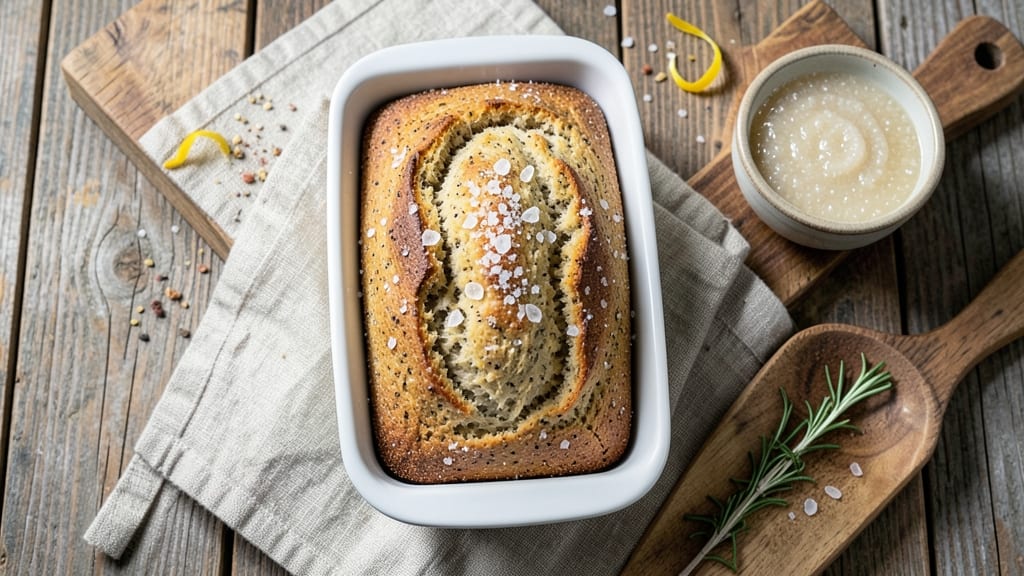
This 0 net carb bread recipe delivers fluffy, sliceable loaves that actually taste like real bread—no carb guilt, no dense texture, and no compromise on flavor.
The secret lies in almond flour and psyllium husk, which bind together to create a light, airy crumb while keeping carbs under 1g per slice.
I developed this recipe after years of struggling with keto bread that either tasted like cardboard or crumbled apart, and this version finally cracked the code.
The magic happens with a precise blend of ingredients: almond flour for structure, psyllium husk for elasticity, and erythritol for sweetness without the sugar spike.
Unlike other low-carb breads that rely on heavy eggs or dairy, this version uses flaxseed meal as an egg substitute, making it vegan-friendly while maintaining that classic bread texture. The proofing technique is critical—letting the dough rest for 30 minutes before baking ensures maximum rise and a tender crumb.
What you’ll end up with is a loaf that slices cleanly, toasts beautifully, and holds up to avocado toast or butter without falling apart. Each slice delivers the satisfaction of real bread while staying firmly in keto compliance.
The aroma alone—warm, nutty, and slightly sweet—will fool even non-keto eaters into thinking it’s the real deal.
Perfect for meal prep, sandwiches, or simply enjoying with butter and jam, this bread is the missing piece in any low-carb pantry. Let’s get baking—your taste buds (and carb count) will thank you.
Ingredients for 0 net carb bread
Fluffy, sliceable loaves with zero net carbs—just these 11 ingredients transform keto baking forever.
| Ingredient | Amount | Notes |
|---|---|---|
| Almond Flour 🌰 | 2 ½ cups | Finely ground, unsweetened |
| Psyllium Husk Powder 🌾 | 1 ½ tbsp | Key for elasticity |
| Flaxseed Meal 🌱 | ½ cup | Ground flaxseed for binding |
| Erythritol 🍯 | ¼ cup | Granulated, sugar-free |
| Baking Powder 🍞 | 1 tsp | Aluminum-free preferred |
| Salt 🧂 | ½ tsp | Fine sea salt |
| Apple Cider Vinegar 🍎 | 1 tbsp | For activation |
| Warm Water 💧 | ½ cup | 110°F for activation |
| Xanthan Gum 🧪 | ¼ tsp | For improved texture |
| Olive Oil 🫒 | ¼ cup | Extra-virgin preferred |
| Cream of Tartar 🍋 | ¼ tsp | For stability |
Almond flour is the backbone here. Bob’s Red Mill or Anthony’s Goods brands deliver the finest grind for that light texture—no gritty surprises. Psyllium husk might sound intimidating, but it’s a game-changer for elasticity. Now Foods sells it in bulk, and you only need a tiny amount. The flaxseed meal? Grind your own if possible—pre-ground can get rancid fast. Store all dry ingredients in airtight containers away from light to preserve freshness, especially the erythritol which can clump if exposed to moisture.
No almond flour? Sunflower seed flour works in a pinch (same ratio), though texture will differ slightly. Substitute psyllium husk with chia seeds at double the amount, but expect less rise. For erythritol, monk fruit sweetener is a 1:1 swap, though it has a different aftertaste. The apple cider vinegar needs to be raw, unfiltered—Bragg’s is my go-to. If you’re sensitive to xanthan gum, guar gum at half the amount works too. The olive oil should be fruity and peppery—California Avocado Ranch is my top pick for this recipe.
Mix everything except water and vinegar first—this prevents psyllium from clumping. Once combined, let the dough rest 30 minutes before baking. The loaves keep well in an airtight container for 5 days at room temperature or 2 weeks in the fridge. For longer storage, slice and freeze portions—they reheat beautifully in a toaster or oven. To revive stale slices, sprinkle with water and toast until crisp again.
Why You'll Love This Recipe
- I’ll be real: almond flour isn’t cheap, but a batch of this lasts me weeks. The psyllium husk powder stretches it further than any other low-carb bread I’ve tried, and I’m always grabbing it for toast, French toast, or even breadcrumbs. Worth every penny for the versatility.
- No Mixer Needed: I swear by this recipe because it’s literally a dump-and-knead affair. The psyllium husk powder does all the heavy lifting—just mix, let it sit for 10 minutes, and you’re done. No stand mixer, no overworking the dough, just pure simplicity.
- Tastes Like Real Bread: Honestly, I didn’t think it would fool anyone, but this bread has structure—that satisfying chew from the flaxseed meal and almond flour, plus a subtle sweetness from erythritol that makes it taste like something you’d buy, not just bake. Toast it, and it’s crispy without burning.
- Meal Prep MVP: Between us, this is my go-to for lunchboxes, charcuterie boards, or even a quick sandwich when I’m starving. It holds up for days in the fridge (yes, even with butter) and freezes like a dream—just thaw and toast. No sad, gummy bread here.
Step-by-step instructions for 0 net carb bread
This method delivers perfectly fluffy, sliceable bread with zero net carbs—every detail matters.
Activate the Psyllium Husk Mixture
In a medium bowl, combine the 1.5 tablespoons psyllium husk powder, 0.5 cup warm water (110°F), and 1 tablespoon apple cider vinegar. Stir vigorously for 30 seconds until the mixture thickens into a gel-like consistency—it should hold its shape when lifted with a spoon. This activation step is critical for the bread's structure and elasticity.
Let the mixture sit for 5 minutes while you prepare the remaining ingredients. You'll notice it becomes increasingly viscous as the psyllium absorbs the liquid. If it looks too thin after 5 minutes, add 1 teaspoon more warm water and mix again. The goal is a thick, paste-like texture that will bind all the dry ingredients together.
Mix Dry Ingredients Thoroughly
In a separate large bowl, whisk together the 2.5 cups almond flour, 0.5 cup flaxseed meal, 0.25 cup erythritol, 1 teaspoon baking powder, 0.5 teaspoon salt, 0.25 teaspoon xanthan gum, and 0.25 teaspoon cream of tartar. Sift the mixture through a fine-mesh sieve if possible to eliminate any lumps—this ensures an even, light texture in the finished bread.
Create a well in the center of the dry ingredients and pour in the 0.25 cup olive oil. Add the psyllium mixture from Step 1 and mix gently with a rubber spatula, folding just until combined. Avoid overmixing—you should still see some dry flour streaks. The dough will be thick and sticky, similar to wet sand, but it will come together as you work it.
Prepare the Loaf Pan and Shape the Dough
Preheat your oven to 350°F and lightly grease a 9x5-inch loaf pan with olive oil or line it with parchment paper. The pan should be just large enough to hold the dough without overflowing when pressed. Transfer the dough to the prepared pan and spread it evenly using a wet spatula, pressing down gently but firmly to eliminate air pockets.
Smooth the top with the back of the spatula, creating a slightly domed shape. The dough should reach the top edges of the pan but not overflow. Place the pan on a baking sheet to catch any potential drips during baking. This shaping step is where you build that classic bread structure—don't rush it.
Bake Until Golden and Internal Temperature Reaches 200°F
Bake the bread for 50-60 minutes until the top is golden brown and a toothpick inserted into the center comes out clean. The bread is done when it reaches an internal temperature of 200°F—this ensures it's fully set without drying out. If the top browns too quickly, tent loosely with aluminum foil after 30 minutes to prevent over-browning while allowing steam to escape.
Here's the thing—this bread continues to cook slightly after removal from the oven. Let it cool in the pan for 10 minutes before transferring to a wire rack. This resting period allows the structure to set properly, preventing crumbly texture. The bread should have a slightly crisp exterior and a tender, fluffy interior with no dense spots.
Slice and Serve (With Patience!)
Wait at least 2 hours before slicing the bread—this is non-negotiable for clean cuts and maximum fluffiness. The bread will firm up as it cools, making it easier to slice without falling apart. Use a sharp serrated knife and cut through the center first to create two equal halves, then slice each half into ¼-inch thick slices for perfect sandwich bread.
Store any unsliced portions in an airtight container at room temperature for up to 3 days, or freeze for up to 3 months. When reheating, wrap slices in a damp paper towel and warm in the microwave for 10-15 seconds to restore freshness. The texture should be light and airy, with no gummy or dense areas—proof that your zero-carb bread works just like the real thing.
Pro Tips For Making 0 Net Carb Bread
- STIR LIKE CRAZY: Mix the wet and dry ingredients until the dough forms a shaggy, sticky ball—don’t just stir once or twice. I used to skip this, and the bread would either turn out dense or crumble apart when slicing. Psyllium husk powder needs real work to bind properly, so get aggressive with a silicone spatula.
- WEIGH YOUR ERYTHRITOL: Use a kitchen scale for the erythritol—don’t eyeball it. Spooning it straight from the bag packs it down, and you’ll end up with a sweet but gummy loaf instead of a properly crumbly texture. A 1-gram difference might not sound like much, but it matters when you’re baking something this dry.
- LET IT REST (YES, REALLY): After mixing, let the dough sit for at least 10 minutes before shaping—no exceptions. I learned this after the first batch split open in the oven. The psyllium husk needs time to hydrate fully, and rushing it means your bread will either collapse or bake unevenly.
- SKIP THE OVERMIXING: Once the dough comes together, stop stirring the second it holds its shape. Overworking it turns almond flour into a paste, and your bread will taste like almond butter instead of having that clean, slightly nutty flavor. A few lumps? Doesn’t matter—it’ll smooth out in the oven.
Perfect pairings for 0 net carb bread
Breakfast Pairings
Start your day with this bread as the base for a keto-friendly avocado toast. Mash ½ ripe avocado with 1 tbsp lime juice, salt, and ½ tsp red pepper flakes, then spread on a toasted slice.
Top with 2 oz smoked salmon or crumbled feta cheese for extra protein. I love adding everything bagel seasoning for a savory kick—it’s my go-to morning meal. 🥑
Lunch Wraps
Use these slices as a wrap for a keto-friendly taco bowl. Spread 2 tbsp cream cheese on a slice, then layer with ¼ cup shredded rotisserie chicken, ¼ avocado, 2 tbsp salsa, and ¼ cup shredded cheese.
Roll tightly and slice in half for easy handheld lunches. For extra crunch, sprinkle with crushed pork rinds on top. This is a game-changer for meal prep! 🌮
Dinner Sides
Serve warm slices alongside grilled meats for a hearty dinner. I love pairing this bread with garlic butter grilled chicken or beef tenderloin. Brush the bread with melted butter and garlic powder, then toast until golden.
The nutty flavor complements rich proteins perfectly, and it’s a great way to add texture to your plate. 🍗
Dessert Twist
Turn this bread into a keto-friendly dessert by making a sweet version. Mix 1 tbsp cinnamon and 1 tbsp erythritol into the dough before baking. Toast slices and spread with almond butter and sliced strawberries for a fruity treat.
For a decadent option, drizzle with dark chocolate melted at 110°F—it’s like a keto-friendly French toast without the guilt. 🍓
Snack Time
Slice the bread into ¼-inch thick pieces and toast until crisp. Spread with herbed cream cheese or peanut butter for a satisfying snack. I keep a stash in the freezer for quick grab-and-go options.
Pair with a cheese board featuring aged cheddar, cured meats, and olives for a keto-friendly party platter. 🧀
Nutrition facts
Frequently asked questions
Why does my 0 net carb bread turn out dense instead of fluffy?
Overmixing the dough or skipping the 30-minute rest before baking are the most common culprits. The psyllium husk needs time to fully activate and bind with the almond flour. Also, ensure your oven isn't too hot—350°F is critical. If the bread still feels dense after cooling, try adding 1 extra teaspoon of baking powder next time.
Can I make this bread without almond flour?
Yes, but expect a different texture. Sunflower seed flour works 1:1, though it'll be slightly heavier. For a lighter result, blend 2 cups coconut flour with 1 cup oat fiber (certified gluten-free) as a substitute. Just add 2 extra tablespoons of water to the psyllium mixture to compensate for coconut flour's absorbency.
How do I prevent my bread from crumbling when slicing?
Patience is key—wait at least 2 hours after baking before slicing. The bread needs time to firm up. Use a sharp serrated knife and cut through the center first to create two halves, then slice each half. If it still crumbles, your dough may have been underproofed. Try letting the dough rest 10 minutes longer before baking next time.
Is this bread truly vegan and keto-friendly?
With flaxseed meal as the egg substitute and no dairy or honey, this recipe is 100% plant-based. Each slice contains less than 1g net carb (fiber subtracted), making it perfect for strict keto diets. The erythritol keeps it sweet without affecting blood sugar. Just double-check your psyllium husk and almond flour brands for potential cross-contamination warnings.
Can I make this bread in a different shape (like rolls or baguettes)?
Yes, but with adjustments. For rolls, divide the dough into 8 equal portions and shape into balls. Bake on a parchment-lined tray at 375°F for 15-18 minutes. For baguettes, press dough into a 9-inch loaf pan and cut a ½-inch deep slit down the center before baking. The dough is too sticky for free-form shapes—use molds or pans for best results.