
Side Dishes
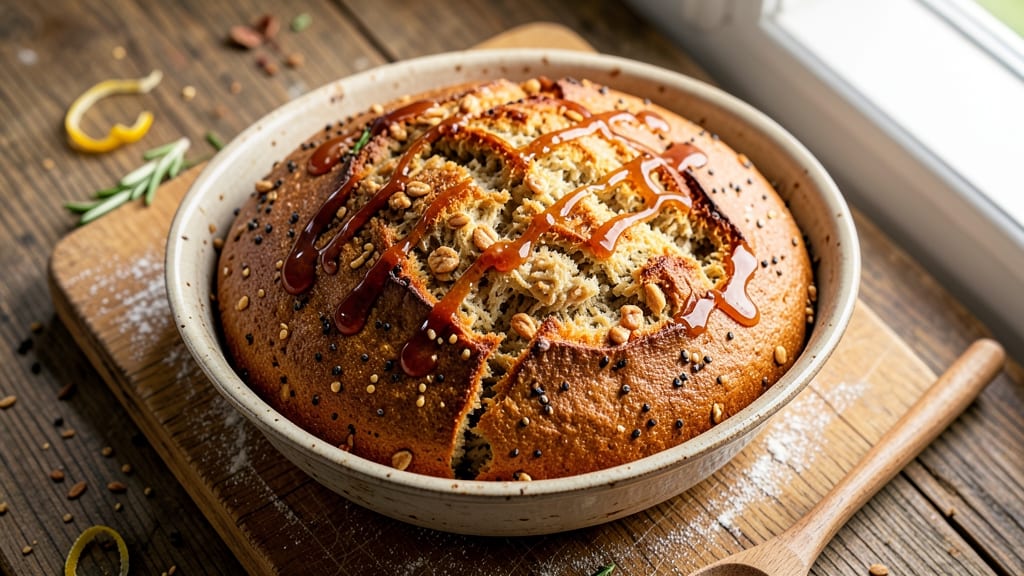
Transforming your bread machine into a whole-grain powerhouse is simpler than you think, and this All Bran bread machine recipe delivers a dense, nutritious loaf with minimal effort.
The secret lies in balancing the bran's heaviness with just enough flour and moisture to create a loaf that's both hearty and tender—no dense, rock-like results here.
I've perfected this recipe over years of testing, ensuring it rises properly and bakes to golden perfection every time, even with the extra fiber from All Bran.
This recipe leverages your bread machine's automatic functions to handle all the heavy lifting—kneading, rising, and baking—while you prepare the mix-ins. The key ingredients include basic pantry staples like flour, yeast, and honey, plus the All Bran that gives this loaf its signature texture and nutrition.
No special equipment beyond your bread machine is needed, making this a true set-it-and-forget-it solution for busy days.
What you'll end up with is a beautifully crusty loaf with a soft, slightly dense interior—ideal for toast, sandwiches, or serving alongside soups. The bran adds a subtle nuttiness that pairs perfectly with butter or jam, while the crust develops a satisfying crunch.
This recipe consistently produces a loaf that's lighter than traditional bran bread, thanks to the bread machine's precise kneading and fermentation control.
The best part? This recipe scales effortlessly for larger batches, and the dough can even be shaped into rolls or dinner rolls if you prefer variety.
Whether you're feeding a family or meal prepping for the week, this All Bran bread machine recipe delivers a wholesome, satisfying loaf with minimal effort. Let's get started on creating your perfect loaf.
Ingredients for all bran bread machine
Basic pantry staples plus whole-grain magic for a bread machine loaf that's hearty yet tender.
| Ingredient | Amount | Notes |
|---|---|---|
| All Bran Cereal 🌾 | 1 cup | Unprocessed, no added sugar |
| All-Purpose Flour 🌾 | 2 ½ cups | White or bread flour preferred |
| Whole Wheat Flour 🌾 | ½ cup | For added texture and nutrition |
| Active Dry Yeast 🍞 | ¼ oz | Or 2 1/4 tsp (1 packet) |
| Granulated Sugar 🍚 | ¼ cup | For yeast activation |
| Honey 🍯 | ¼ cup | For moisture and sweetness |
| Unsalted Butter 🧈 | ½ cup | Softened to room temperature |
| Large Eggs 🥚 | 1 whole | Room temperature for best rise |
| Milk 🥛 | ¾ cup | Whole milk for richness |
| Salt 🧂 | 1 tsp | Diamond Crystal preferred |
| Water 💧 | ¼ cup | Warm (110°F) for yeast activation |
| Poppy Seeds 🌻 | 1 tbsp | Optional for topping |
| Sesame Seeds 🌻 | 1 tbsp | Optional for topping |
The All Bran is the star here—buy the plain, unsweetened version from the cereal aisle, not the flavored kind. Kroger or Whole Foods carry the best quality in bulk bins if you want to skip the box. That said, any store-brand All Bran works fine as long as it's the original recipe. The whole wheat flour adds nutrition without heaviness, but if you're sensitive to texture, you can bump up the all-purpose flour by another 0.25 cup. For the yeast, FreshPact or Bob's Red Mill brands stay fresh longer, but the little packets from the spice aisle are perfectly fine for this recipe.
No honey? Maple syrup works at a 1:1 ratio, though it adds a deeper flavor. Butter too hard to soften? Microwave it 40 seconds at 50% power—just enough to make it pliable. The milk can be any kind, but whole gives the best texture. If you're making this ahead, store the dry ingredients separately for up to 3 months; mix just before adding to the bread machine. The poppy and sesame seeds are optional but add a nice crunch—Trader Joe's sells them pre-mixed in a tiny jar if you want to skip measuring.
This dough keeps in the fridge for 2 days before baking, making it perfect for meal prep. Once baked, the loaf stays fresh for 5-7 days wrapped in a towel, or you can freeze slices for up to 3 months. I like to slice it when still warm and freeze on a tray before bagging—prevents freezer burn. For an extra-crispy crust, brush the loaf with melted butter right after baking. The bran's nuttiness shines when toasted, so save the best slices for morning.
Why You'll Love This Recipe
- Bread Machine Magic: The yeast does all the work while I sip my coffee—just toss in the All Bran and whole wheat, and let the machine handle the rest. No kneading, no fuss, just warm, hearty loaves ready when I am.
- Crunchy-Golden Surprise: That toasted All Bran crust? Chef’s kiss. It’s got texture and a subtle sweetness from the sugar that makes it taste like a bakery treat, not just whole-grain bread. My kids still ask for seconds, and I’m not mad about it.
- Meal Prep MVP: Slice it for toast, cube it for breadcrumbs, or pack it for lunches—this bread lasts forever in the freezer. Honestly, I make two loaves at once and forget about it until I need it. (Yes, even on a Tuesday night.)
- Budget-Friendly Staple: All Bran and whole wheat flour stretch my grocery dollars without sacrificing flavor. A single batch feeds my family for days, and the yeast keeps costs low. It’s the kind of bread that makes me feel smart for buying in bulk.
Step-by-step instructions for All Bran bread machine recipe
Let's transform your bread machine into a whole-grain powerhouse with this effortless, nutritious loaf.
Prepare the Mix-In Magic
In a small bowl, combine the 1 cup All Bran Cereal, 1 tbsp poppy seeds, and 1 tbsp sesame seeds. This mix-in trio adds fiber, crunch, and visual appeal to your loaf. I like to toast the seeds lightly in a dry skillet for 1 minute to enhance their flavor—just until they're fragrant and slightly golden. Let them cool completely before adding to the cereal to prevent moisture from interfering with yeast activation.
Set this mixture aside for now. The bread machine will handle the rest, but proper preparation ensures even distribution throughout the loaf. If you're feeling ambitious, you could also add ¼ cup chopped nuts or dried fruit to this mix, but stick to the original recipe for that classic All Bran texture.
Mix the Wet Ingredients
In the bread machine pan, combine the 0.75 cup milk, 0.25 cup warm water (110°F), 0.5 cup softened unsalted butter, 0.25 cup granulated sugar, and 0.25 cup honey. Use the bread machine's paddle attachment to mix on low speed for 30 seconds until the butter is fully incorporated and the mixture looks smooth. The warm water activates the yeast while the honey adds moisture and subtle sweetness that balances the hearty bran.
Here's the thing—if your butter isn't quite softened enough, the mixture will look grainy. If that happens, let it sit at room temperature for another 5 minutes while you prepare the dry ingredients. The goal is a uniform, pourable batter that coats all the bran pieces evenly during kneading.
Combine Dry Ingredients
In a separate bowl, whisk together the 2.5 cups all-purpose flour, 0.5 cup whole wheat flour, 1 tsp salt, and the 0.25 oz active dry yeast. Sift the mixture directly into the wet ingredients in the bread machine pan. This prevents clumping and ensures the yeast gets properly distributed. Use a rubber spatula to scrape down the sides of the pan and create a well in the center.
Don't skip the sifting—flour clumps can create dense pockets in your bread. The whole wheat flour adds nutrition and texture, but too much can make the dough tough. That's why we balance it with all-purpose flour for that perfect chewy-yet-light crumb structure you're after.
Add Mix-Ins and Start the Machine
Create a well in the center of the dry ingredients and pour in the All Bran mix-in combination you prepared earlier. Use the bread machine's paddle to mix everything on low speed for 1 minute until just combined. The dough should be shaggy but cohesive—you're not looking for a perfectly smooth batter at this stage. The machine will handle the kneading.
Select your bread machine's "Basic White Bread" setting (or whole wheat setting if available) and start the cycle. The machine will automatically knead, rise, and bake your loaf. For best results, use the 2-pound loaf setting if your machine offers it—this gives you a denser, heartier loaf perfect for toast or sandwiches. If you're making this for the first time, I recommend using the "Dough" setting first to check your dough consistency before committing to a full bake.
Check for Doneness and Cool Properly
The bread machine will signal when baking is complete, but don't open it immediately. Let the loaf cool in the pan for 5 minutes first—this prevents steam from condensing and making your bread soggy. Then transfer it to a wire rack to cool completely for 30-45 minutes before slicing. The internal temperature should drop to below 140°F for perfect texture.
Here's a pro tip: If the top looks slightly underbaked when the machine beeps, pop it back in for 5-10 minutes to develop that beautiful golden-brown crust. The bread should have a hollow sound when you tap the bottom—this indicates proper baking. Once cooled, slice with a serrated knife for clean cuts through the bran pieces. Store any leftovers wrapped in a bread bag at room temperature for up to 3 days, or freeze for longer storage.
Pro Tips For Making All Bran Bread Machine
- STOP TOASTING THE BRAN: The bran in All Bran cereal is like a sponge—it soaks up moisture fast. If you toast it first (which some recipes suggest), you’ll end up with a dense brick. Skip the toasting step entirely and just add the cereal dry to the bread machine. It’ll absorb liquid as the dough mixes, and the texture stays light.
- WEIGH THE FLOUR: Scooping flour from the bag packs it down, and you’ll end up with more than you think. Use a kitchen scale for the all-purpose and whole wheat flour—aim for 12 ounces total. Packing the cups leads to a gummy, heavy loaf, and nobody wants that.
- DON’T OVERMIX THE DOUGH: All Bran bread machine recipes often have a long kneading cycle, but if the dough starts sticking to the sides and looks like glue, hit the pause button. Overmixing develops too much gluten, and the loaf turns tough. A quick scrape-down with a wet spatula and a 30-second pause usually fixes it.
- USE WARM WATER FOR YEAST: The yeast in this recipe needs a jumpstart, and cold water kills it slow. Mix the yeast with 1/4 cup warm water (about 110°F—warm to the touch, not hot) before adding it to the bread machine. If the water’s lukewarm, the yeast might take forever to activate, and your bread will rise sluggishly.
Common mistakes when making this recipe
Overmixing the Dough
The bread machine handles kneading, but overmixing can still happen if you don't let the machine do its job. Once you've added all ingredients and started the cycle, resist the urge to peek or stir. The machine's timer controls kneading duration—typically 3-5 minutes—to develop gluten without overworking it.
Overmixed dough becomes tough and dense, especially with bran's heaviness. If your machine has a dough cycle, use that first to check consistency before baking. 💡
Skipping the Warm Water
Using cold water (below 100°F) instead of warm (110°F) shuts down yeast activity, leading to poor rise and a flat loaf. The yeast needs warmth to activate and ferment properly.
If your tap water runs cold, warm it slightly by letting it sit in a pitcher for 5-10 minutes. Never use boiling water—it kills yeast instantly.
I've ruined batches by rushing this step, so take the extra 30 seconds to check temperature with your finger (should feel warm but not hot).
Ignoring the 2-Pound Setting
Many bread machines default to a 1-pound loaf setting, but All Bran's density requires more dough volume. Use the 2-pound setting if available—this gives the bran enough space to distribute evenly without compacting. If your machine lacks this option, add 0.25 cup extra flour to the recipe.
The difference is noticeable: a properly proportioned loaf rises better and has a lighter crumb. I've seen beginners end up with a pancake-like flatbread when they skip this step.
Opening the Lid Too Soon
Steam is your friend during baking—it creates that perfect crust and keeps the interior moist. Opening the lid early releases steam and causes the bread to dry out or develop a gummy texture.
Wait until the machine beeps to check doneness, then let the loaf cool in the pan for 5 minutes before transferring. This brief pause prevents condensation from making your bread soggy. Patience here pays off with a crisp crust and tender interior. 🍞
Using Old or Expired Yeast
Yeast loses potency over time, especially in humid environments. Check your yeast's expiration date—if it's been sitting in your pantry for more than 3 months, test it first.
Mix 1 tsp yeast with 2 tbsp warm water and 1 tsp sugar; if it doesn't foam within 5 minutes, replace it. Fresh yeast (FreshPact or Bob's Red Mill) works best, but even store-bought packets can fail if stored improperly.
I keep mine in the freezer to extend shelf life.
Forgetting to Toast the Seeds
While optional, toasting the poppy and sesame seeds (1 minute in a dry skillet) enhances their flavor and prevents them from turning soggy during baking. Untosted seeds can make the crust seem greasy and the texture uneven.
If you skip toasting, at least let the seeds cool completely before mixing them with the All Bran—warm seeds release moisture that can interfere with yeast activation. A quick toast adds that satisfying crunch and nutty aroma to every bite. 🌻
Nutrition facts
Frequently asked questions
Why does my All Bran bread turn out dense?
Bran absorbs more moisture than regular flour, so the key is balancing it with enough liquid and proper kneading. Use the 2-pound setting on your bread machine if available, and don't skip the 0.25 cup honey—it adds moisture that prevents dryness. If your loaf still feels heavy, try reducing the All Bran by 0.25 cup next time and adding 0.25 cup extra flour instead.
Can I make this recipe without a bread machine?
Yes! Mix all ingredients by hand until just combined, then let the dough rise for 1-2 hours until doubled. Knead for 5-7 minutes by hand (or use a stand mixer with a dough hook) to develop gluten properly. Shape into a loaf, place in a greased pan, and bake at 375°F for 35-40 minutes until golden. The texture will be slightly denser than machine-made, but still delicious!
How do I store leftovers to keep them fresh?
Wrap cooled slices in plastic wrap or aluminum foil and store at room temperature for up to 3 days. For longer storage, slice the whole loaf when warm and freeze individual slices between parchment paper for up to 3 months. To refresh frozen bread, toast directly from frozen for 3-5 minutes at 375°F—no thawing needed!
What can I substitute if I don't have All Bran?
For a similar texture, try 1 cup whole wheat flour plus 1 tbsp ground flaxseed (for fiber), or 1 cup oat bran if available. If you want to keep the recipe light, reduce other flours by 0.25 cup to compensate. The bran's nuttiness is hard to replicate, but these alternatives add fiber and heartiness to your loaf.
Can I add other mix-ins like nuts or dried fruit?
Try ½ cup chopped walnuts or pecans for extra crunch, or ¼ cup raisins for sweetness. Just reduce the All Bran by 0.25 cup to maintain proper dough consistency. For best results, mix-ins should be ¼ cup or less total to avoid overloading the dough. Toast any nuts or seeds first to enhance flavor!