
Side Dishes
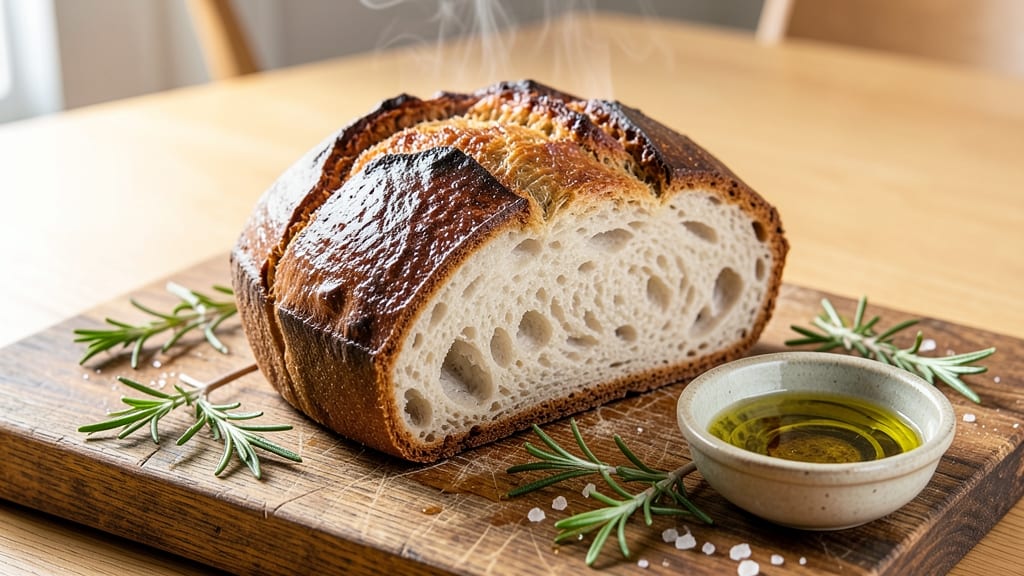
Antimo Caputo 00 flour transforms ordinary bread into something extraordinary—a loaf with a crisp, golden crust and an airy, elastic crumb that melts in your mouth. 🌟 The secret lies in this Italian flour's high protein content, which develops gluten like no other, creating that signature hand-kneaded elasticity. After years of experimenting with different flours, I finally found the perfect balance for a bread that rivals artisanal bakeries.
This recipe focuses on mastering the dough through precise kneading and proofing techniques. The 00 flour's fine texture ensures a smooth, tender crumb, while the long fermentation process deepens flavor and improves digestibility.
Unlike quick breads, this method requires patience—each step builds on the last to create a loaf that's both visually stunning and irresistibly delicious.
What you'll achieve is a bread with a crisp exterior and a soft, open crumb that's perfect for sandwiches or serving alongside soups. The aroma alone will fill your kitchen with warmth, and the texture—chewy yet tender—is what makes this recipe worth every minute of effort.
The key is in the details: from the water temperature to the kneading time, each element plays a role in the final result.
For those who want to experiment, variations like rosemary-infused olive oil or seeds add exciting twists without compromising the bread's signature qualities. Whether you're baking for a special occasion or simply treating yourself, this recipe delivers professional-quality results at home. Let's get started on creating your perfect loaf.
Ingredients for antimo caputo 00 flour bread
This Italian flour and nine simple ingredients create a loaf with restaurant-worthy elasticity and aroma.
| Ingredient | Amount | Notes |
|---|---|---|
| Antimo Caputo 00 Flour 🌾 | 3 ½ cups | High-protein Italian bread flour |
| Water 💧 | 1 ¾ cups | Lukewarm, 80°F preferred |
| Active Dry Yeast 🍞 | ¼ oz | Or 2 1/4 tsp (1 packet) |
| Granulated Sugar 🍚 | ½ tsp | Feeds yeast for activation |
| Salt 🧂 | 1 ½ tsp | Diamond Crystal preferred |
| Extra-Virgin Olive Oil 🫒 | 1 tbsp | For dough elasticity |
| Cornmeal 🌽 | ¼ cup | For dusting work surface |
| Semolina Flour 🌾 | ⅛ cup | For bread pan coating |
| Coarse Sea Salt 🧂 | ½ tsp | For crust enhancement |
| Ice Water ❄️ | 1 tbsp | For final dough shaping |
The 00 flour is non-negotiable here—Antimo Caputo is the gold standard, but Caputo or Molino Grassi work too. Skip the cheaper all-purpose flour; its lower protein won't develop that signature chew. I grab mine from Amazon or specialty Italian markets—it lasts 6-12 months in the pantry if sealed airtight. The yeast should be fresh: if it smells musty or takes longer than 5 minutes to foam in warm water, toss it. For the sugar, any granulated works, but organic cane sugar adds subtle caramel notes during baking. The olive oil? California Extra Virgin from Trader Joe's is my go-to—it's fruity enough to taste but won't overpower.
No 00 flour? King Arthur Bread Flour is the closest substitute, but expect slightly less elasticity. Running low on yeast? Instant yeast works 1:1, but dissolve it directly in the water. The sugar can be swapped for honey or maple syrup (reduce other liquids by 1 tbsp), though it'll darken the crust. For the olive oil, avocado oil works in a pinch, but it lacks the fruity depth. The cornmeal and semolina? Any coarse flour will do—just don't use all-purpose. Pro tip: if your kitchen's humid, chill the dough 30 minutes before shaping to prevent sticking. And yes, you can freeze the dough for up to 3 days—just let it warm to room temp before proofing.
This dough is a beast—it needs time. Proof the yeasted water for 5-10 minutes until frothy, then let the dough rise 1.5-2 hours until doubled. For the final proof, 1-1.5 hours at room temp gives perfect rise. Bake at 375°F for 35-40 minutes until golden. The loaf keeps 3-4 days wrapped at room temp or 1 week in the fridge. For longer storage, freeze up to 3 months—thaw overnight at room temp. The crust gets crispier as it cools, so slice when fully cooled. Trust me, the first slice is worth every minute.
Why You'll Love This Recipe
- Four-Ingredient Magic: I swear, this bread comes together with just flour, water, yeast, and a pinch of salt—no fancy mixers or confusing ratios. The Antimo Caputo 00 flour does all the heavy lifting, giving you that silky, professional texture without the hassle of kneading for hours.
- Yeast-Powered Crust: That first bite? Crispy enough to wake you up, but soft inside like a cloud. The yeast and sugar combo creates this golden, caramelized crust that’s ridiculously satisfying—no butter or oil needed, just pure flour magic.
- Meal Prep MVP: Bake a loaf on Sunday, and you’ve got fresh bread for toast, sandwiches, or dipping in olive oil all week. It freezes beautifully too—just thaw and toast, no reheating required. My lazy mornings thank me every time.
- Budget-Friendly Staple: For under $5, you get enough dough to feed a family for days. No specialty ingredients, no waste—just pure, reliable bread that’s better than store-bought. Honestly, it’s the kind of recipe that makes you feel like a hero without breaking the bank.
Step-by-step instructions for Antimo Caputo 00 flour bread
Here's how to transform Caputo 00 flour into a light, airy loaf with perfect elasticity.
👨🍳 Step 1: Activate the Yeast and Mix the Dough
In a large bowl, combine the 1.75 cups water and 0.5 tsp granulated sugar. Sprinkle the 0.25 oz active dry yeast on top and let sit for 5-10 minutes until it foams vigorously. This step ensures your yeast is alive and ready to work.
Add the 3.5 cups Antimo Caputo 00 flour and 1.5 tsp salt to the bowl. Mix with a wooden spoon until a shaggy dough forms. Then, drizzle in the 1 tbsp extra-virgin olive oil and mix again. The dough will be sticky but should pull away from the sides of the bowl.
🥘 Step 2: Hand-Knead for Elasticity
Lightly flour your work surface with 0.25 cup cornmeal and turn out the dough. Knead for 8-10 minutes by pushing, folding, and turning the dough. You're looking for a smooth, elastic texture that springs back when poked.
This high-protein flour needs thorough kneading to develop gluten properly. If the dough feels too sticky, wet your hands slightly and keep kneading—don't add more flour, or you'll lose that light, airy quality. The dough should be soft but not tacky when finished.
🔥 Step 3: First Rise for Volume
Lightly oil a large bowl, place the dough inside, and cover with a damp towel. Let it rise in a warm spot (75-80°F) for 1.5-2 hours until it nearly doubles in size. You'll see bubbles forming on the surface and the dough will feel light when pressed gently.
Don't rush this step—proper fermentation is what gives this bread its signature lightness. If your kitchen is cool, place the bowl near a warm oven with the light on to maintain consistent temperature.
🍳 Step 4: Shape and Second Rise
Punch down the risen dough and divide it into 4 equal portions. Shape each into a round loaf, then place them in a 9x5-inch loaf pan coated with 0.125 cup semolina flour. Sprinkle 0.5 tsp coarse sea salt on top of each loaf.
Cover loosely and let rise again for 45-60 minutes until the dough domes slightly above the pan. The edges should pull away from the pan's sides, indicating it's ready for baking. This second rise is crucial for that light, airy texture we're after.
🔥 Step 5: Bake to Golden Perfection
Preheat your oven to 375°F. Bake the loaves for 30-35 minutes until they're golden brown and sound hollow when tapped on the bottom. The internal temperature should reach 190-195°F.
For extra shine, brush the tops with a little water right before baking. Let the bread cool in the pan for 10 minutes, then transfer to a wire rack. The crust will firm up as it cools, but the interior will remain wonderfully soft and airy.
Pro Tips For Making Antimo Caputo 00 Flour Bread
- Weigh the Water: The 00 flour absorbs moisture differently than all-purpose—use a kitchen scale for the water (60-65% hydration is standard, but eyeballing leads to dense loaves). I learned this after kneading three batches that felt perfect but turned out gummy; the scale fixed it.
- Bloom Yeast in Warm Water: Dissolve that teaspoon of sugar in the water first, then sprinkle the yeast on top—wait 5-10 minutes until it foams before adding flour. Cold water kills yeast; skipping this step means your dough will rise slower or not at all (yes, even if the recipe says "mix everything together").
- Knead Until Windowpane: Stretch a small piece of dough between your fingers—if it thins to translucent without tearing, you’re done. Over-kneading makes 00 flour tough; under-kneading leaves it chewy. I used to guess, but now I test it like a pro (and save 10 minutes of extra work).
- Rest Dough in Fridge: After the first rise, pop the dough in the fridge for 12-24 hours—this develops flavor and makes shaping easier. Sounds counterintuitive, but the gluten relaxes, and the crust gets crispier. I was skeptical until I tried it (and now I never skip it).
Wine and beer pairings for antimo caputo 00 flour bread
Italian White Wines
This bread's delicate, airy texture and subtle olive oil notes pair beautifully with crisp Italian whites.
I always reach for a Vermentino from Sardinia—its bright citrus and mineral finish cut through the bread's richness without overpowering. Pinot Grigio from Alto Adige is another fantastic choice, especially if you prefer a slightly richer profile with a touch of almond. 🍷
For a more aromatic experience, try a Fiano from Campania. Its floral notes and slight honeyed undertones complement the bread's crust beautifully, especially when served with tomato-based dishes. Avoid heavy, oaky whites—they'll clash with the bread's lightness.
Light Italian Reds
If you prefer red wine, opt for something light and fruity like Chianti Classico. The bright acidity and cherry notes enhance the bread's crust while balancing its soft interior. I like to decant it for 15-20 minutes to soften the tannins slightly. 🍇
A Frappato from Sicily offers a perfect balance of earthiness and fruitiness. Its medium body won't overwhelm the bread, making it an excellent choice for those who want red wine without heaviness. Serve slightly chilled (around 55°F) to highlight its refreshing qualities.
Beer Pairings
For beer lovers, a Belgian Witbier like Hoegaarden is an inspired choice. The coriander and citrus notes create a refreshing contrast to the bread's olive oil richness. I often serve it with a slice of bread topped with whipped ricotta and honey for a perfect pairing. 🍺
If you prefer something darker, a German Pilsner like Warsteiner offers a crisp, clean finish that complements the bread's texture beautifully. For a local twist, try a California Lager—its subtle malt sweetness enhances the bread's crust without dominating.
Non-Alcoholic Options
For a refreshing non-alcoholic option, try San Pellegrino Aranciata. The orange and mandarin flavors create a delightful contrast to the bread's subtle olive oil notes. I also love serving it with fresh figs and prosciutto for an elevated snack. 🍊
Another great choice is Fever-Tree Ginger Beer. The spicy ginger complements the bread's crust beautifully, especially when served with olive tapenade or marinated artichokes. The effervescence cleanses the palate between bites, making it perfect for sharing.
Nutrition facts
Frequently asked questions
Why is Antimo Caputo 00 flour special for bread?
This Italian flour has 12-14% protein, creating strong gluten networks that give bread incredible elasticity and a light, airy crumb. The fine grind also produces a smoother texture than standard bread flour. For comparison, all-purpose flour has only 9-11% protein—that's why your bread might feel dense with substitutes.
Can I make this bread without a stand mixer?
The recipe relies on hand-kneading for 8-10 minutes to develop gluten properly. Use the "push, fold, turn" method on a lightly floured surface. The high protein in 00 flour makes it especially rewarding to knead by hand—you'll feel the dough transform from sticky to smooth and elastic.
What's the best way to tell when the bread is fully baked?
Look for golden brown color and listen for a hollow sound when tapping the bottom. The internal temperature should reach 190-195°F. Pro tip: If the top browns too quickly, tent with foil after 20 minutes to prevent over-browning while the center finishes baking.
How do I store this bread to keep it fresh?
Wrap cooled loaves in a clean kitchen towel or place in a paper bag at room temperature for 3-4 days. For longer storage, freeze the dough before baking—it keeps for up to 3 months. The crust actually improves as it cools, so slice when fully room temperature.
Can I add herbs or seeds to this recipe?
Yes! Try 1 tbsp dried rosemary or 2 tbsp sesame seeds mixed into the dough. For seeds, reduce water by 1 tbsp to maintain proper hydration. The key is not to overdo it—herbs should enhance, not overpower, the bread's delicate flavor.