
Desserts
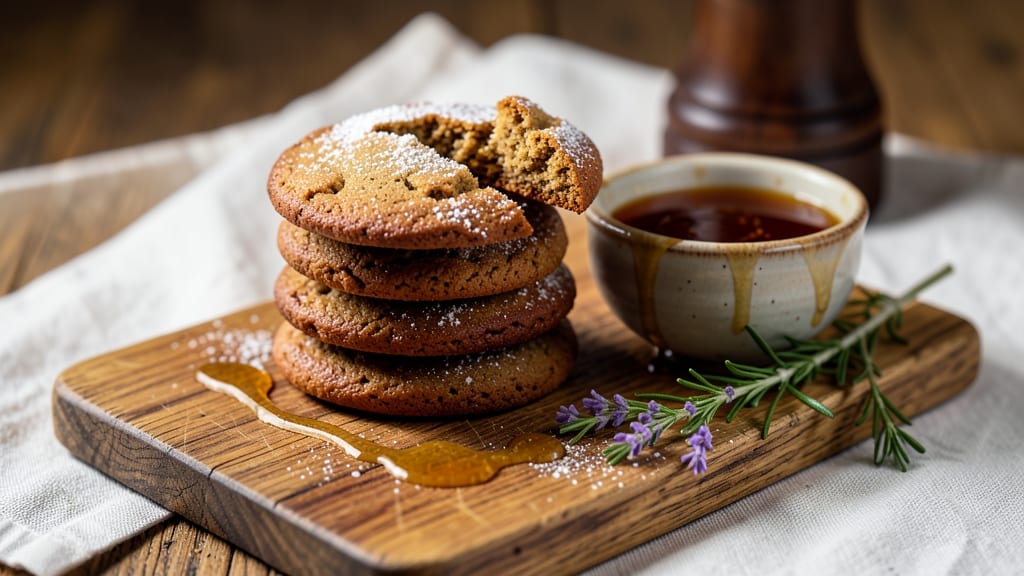
This authentic German gingerbread cookie recipe brings the warm, spiced flavors of Lebkuchen straight to your kitchen. 🌟 The secret lies in honey-sweetened dough infused with cinnamon, cloves, and cardamom—traditional spices that create a rich, aromatic center.
I've perfected this recipe over years of baking, ensuring crispy edges and a soft, spiced interior that melts in your mouth.
The dough combines honey, butter, and warm spices for depth, while baking powder creates the signature tender crumb. Unlike store-bought versions, this recipe uses no artificial flavors—just real gingerbread goodness. The dough can be shaped into classic Printen (nuts pressed into the top) or cut into festive shapes for holidays.
What makes these cookies truly special is their molten spiced centers—a result of precise baking and the right balance of honey and butter. The aroma alone will fill your home with nostalgia, while the texture delivers that perfect contrast of crispy edges and soft, fragrant centers.
Serve with a dusting of powdered sugar or a light glaze for extra shine. These cookies are perfect for Christmas markets, holiday gatherings, or anytime you crave a taste of Germany. Let's get baking!
Ingredients for authentic german gingerbread cookie
Honey-sweetened dough with warm spices and crispy edges—just like German bakeries make.
| Ingredient | Amount | Notes |
|---|---|---|
| Unsalted Butter 🧈 | 1 cup | Softened but not melted |
| Dark Honey 🍯 | 1 cup | Wildflower preferred |
| All-Purpose Flour 🌾 | 3 ½ cups | Sifted for light texture |
| Ground Cinnamon 🌿 | 2 tbsp | Freshly ground preferred |
| Ground Ginger 🌶️ | 1 ½ tbsp | Freshly ground for potency |
| Ground Cloves 🌶️ | 1 tsp | Freshly ground for aroma |
| Ground Cardamom 🌿 | 1 tsp | Freshly ground essential |
| Baking Powder 🧂 | 1 tsp | Aluminum-free preferred |
| Salt 🧂 | ½ tsp | Fine sea salt |
| Large Eggs 🥚 | 2 whole | Room temperature |
| Vanilla Extract 🌸 | 1 tsp | Pure extract preferred |
| Almonds 🥜 | ½ cup | Sliced for topping |
| Powdered Sugar 🍚 | ¼ cup | For dusting |
The spices are everything here. Penzeys or bulk bins at Whole Foods have the freshest ground spices—look for vibrant color, not dusty old jars. The honey should be dark and rich; Wildflower or Manuka from the specialty section adds depth. Butter matters too—use European-style if you can find it (like Plugrá), but regular unsalted works fine. For the almonds, Trader Joe's has pre-sliced ones that save time, or grab whole almonds and slice them yourself for extra crunch.
No vanilla extract? Vanilla bean paste works great, or even a scraped vanilla bean. Short on almonds? Pecans or hazelnuts give a different but still delicious texture. The baking powder is non-negotiable—if yours is old, it won't rise right. For a gluten-free version, swap the flour for a 1:1 gluten-free blend (like King Arthur's), but add an extra 0.5 tsp of xanthan gum. The dough should be thick but manageable—if it's too sticky, add a tablespoon more flour.
The dough keeps well in the fridge for 3 days wrapped tightly in plastic. For longer storage, freeze shaped cookies on a tray first, then transfer to a bag for 3 months. Once baked, store in an airtight container at room temperature for 1 week—they'll stay crispy if you avoid humidity. I always make a double batch and freeze half; nothing beats pulling out perfectly fresh cookies for holiday guests.
Why You'll Love This Recipe
- No Mixer Needed: I swear by this dough’s forgiving nature—just cream the butter and honey, toss in the flour, and fold. No stand mixer, no fuss, just a sturdy wooden spoon and your hands. Honestly, the ginger and cinnamon do all the work for you.
- Honey-Ginger Magic: That dark honey? It’s the star—rich, deep, and slightly floral, cutting through the warmth of the ginger like a perfect balance. The cookies stay soft for days, with just the right crisp edge. (Yes, even on a Tuesday night.)
- Holiday or Snack Attack: Bake a batch for Christmas markets or grab one straight from the jar when you need a pick-me-up. They freeze beautifully too, so I always make extras. My daughter picks out the best ones first—no judgment here.
- Budget-Friendly Comfort: Butter, honey, flour—these are pantry staples that won’t break the bank. A single batch stretches for weeks, and the spices last forever. Between us, this is my go-to for when I want to feel fancy without the grocery bill.
Step-by-step instructions for German gingerbread cookies
Here's how to craft these traditional German gingerbread cookies with their signature spiced centers and crispy edges.
👨🍳 Step 1: Cream Butter and Honey Together
In a stand mixer fitted with the paddle attachment, beat the 1 cup unsalted butter and 1 cup dark honey on medium speed for 3-4 minutes until light and fluffy. You'll notice the mixture nearly doubles in volume and becomes pale golden. This creaming process incorporates air, which creates those beautiful crackly tops and helps the cookies develop their signature molten centers.
I like to press down on the butter mixture with a spatula occasionally to check its texture—it should feel light and airy, almost like whipped cream. If you're mixing by hand, use a wooden spoon and work for 5 minutes until fully combined and smooth. This step is critical for achieving that authentic German gingerbread texture.
👨🍳 Step 2: Add Eggs and Vanilla, Then Dry Ingredients
Add the 2 whole large eggs one at a time, mixing on low speed for 30 seconds after each addition until fully incorporated. Then stir in the 1 teaspoon vanilla extract. The mixture might look slightly curdled, but don't worry—it will come together when you add the dry ingredients.
In a separate bowl, whisk together the 3.5 cups all-purpose flour, 2 tablespoons ground cinnamon, 1.5 tablespoons ground ginger, 1 teaspoon ground cloves, 1 teaspoon ground cardamom, 1 teaspoon baking powder, and 0.5 teaspoon salt. Sift the flour mixture into the wet ingredients and mix on low speed for 30-45 seconds until just combined. Overmixing develops gluten, which can make the cookies tough. You should still see a few flour streaks.
🥘 Step 3: Fold in Almonds and Chill the Dough
Remove the bowl from the mixer and gently fold in the 0.5 cup sliced almonds using a silicone spatula. Make sure they're evenly distributed throughout the dough. The almonds add a delightful crunch that contrasts perfectly with the soft, spiced centers.
Cover the bowl with plastic wrap and refrigerate for at least 1 hour (I prefer 2 hours or even overnight). Chilling the dough is essential for two reasons: it allows the flour to fully hydrate, creating better texture, and it prevents the cookies from spreading too thin in the oven. The cold dough also means the cookies hold their shape better, giving you those classic gingerbread edges.
🔥 Step 4: Bake to Golden Perfection
Preheat your oven to 350°F and line two baking sheets with parchment paper. Scoop the chilled dough into 1.5-tablespoon portions (I use a cookie scoop for uniform size) and place them 3 inches apart on the prepared sheets. Flatten each portion slightly with your fingers to about ¼-inch thickness.
Bake for 12-14 minutes until the edges are deep golden brown but the centers still look slightly underdone. They'll continue cooking on the hot pan after you remove them from the oven. Let them cool on the baking sheet for 5 minutes before transferring to a wire rack. The centers should be soft and slightly sticky with that signature spiced flavor.
🍽️ Step 5: Dust with Powdered Sugar and Serve
Once the cookies have cooled for 10 minutes, dust them generously with the 0.25 cup powdered sugar using a fine-mesh sieve. This step adds that classic German gingerbread finish and balances the warm spices with a touch of sweetness.
Serve the cookies warm for the ultimate experience—the contrast between the crispy edges and molten spiced centers is what makes these cookies so special. Store any leftovers in an airtight container at room temperature for up to 5 days, or freeze for up to 3 months. These cookies are even better the next day as the flavors meld together.
Pro Tips For Making Authentic German Gingerbread Cookie
- Chill the Dough: German gingerbread needs that cold, stiff dough to hold its shape when cutting—no exceptions. After mixing, wrap it in plastic and refrigerate for at least 2 hours (overnight is better). I learned this the hard way when my first batch spread like pancakes. Trust the process, even if you’re impatient.
- Use Cold Butter: Cut that unsalted butter into cubes and freeze it for 10 minutes before mixing. Cold butter creates flaky layers and prevents the dough from getting greasy. I was skeptical until I tried it—now my cookies have that perfect crumbly texture.
- Measure Honey Precisely: Dark honey is thick and sticky—don’t eyeball it. Use a kitchen scale for accuracy (about 120g for a standard batch). Too much makes the dough sticky and gummy; too little weakens the flavor. I used to guess, and my cookies always tasted uneven.
- Roll Thin, Cut Generous: Roll the dough to ¼-inch thickness—thinner than you think. Then cut shapes with a sharp knife or cookie cutter, leaving a little space between them. Overcrowding steams the cookies, making them dense. My grandmother swore by this, and she was right.
Troubleshooting your authentic german gingerbread cookie
Dough Too Sticky
If your dough feels too sticky after mixing, don't panic—this is common with honey-based recipes. Gradually add 1 tablespoon flour at a time while mixing until the dough comes together without sticking to your fingers.
Overworking it can make the cookies tough, so mix just until combined. For extra insurance, chill the dough longer (up to 24 hours) to help it firm up. 💡
Cookies Spread Too Much
Uneven baking often happens when the dough isn't chilled enough. Always refrigerate the dough for at least 2 hours before baking—this prevents excessive spreading. Use a cookie scoop for uniform portions and flatten them to ¼-inch thickness.
If your oven runs hot, reduce the temperature to 325°F for a slower bake. 🌡️
Dry or Crumbly Texture
Dry cookies usually mean too much flour was added or the butter wasn't creamed properly. For next time, measure flour by weight (160g for 3.5 cups) instead of scooping, and ensure your butter is soft but not melted.
If your dough feels dry now, add 1-2 teaspoons honey or milk to bring it back together. 🥄
Spices Too Overpowering
Freshly ground spices are potent! If your cookies taste too spicy, reduce the ground ginger to 1 tablespoon and the ground cloves to ½ teaspoon next time. Toast your spices lightly in a dry pan for 1 minute before adding to mellow their intensity.
For a milder flavor, use a 1:1 ratio of cinnamon to ginger instead. 🌿
Cookies Didn't Rise
Flat cookies usually mean old baking powder or underbaking. Check your baking powder's freshness—it should fizz when mixed with vinegar. If your cookies still don't rise, try adding ½ teaspoon extra baking powder and baking for 1-2 minutes longer.
Ensure your oven thermometer reads accurately—many ovens run 25°F hotter than set. ⚡
Molten Centers Missing
For that signature soft center, avoid overbaking—remove cookies when edges are golden but centers still look slightly underdone. Let them cool on the baking sheet for 5 minutes before transferring.
If your oven cools too quickly, place a tray of water on the lower rack during baking to maintain moisture. 🔥
Nutrition facts
Frequently asked questions
What makes these German gingerbread cookies different from American gingerbread?
These cookies use dark honey instead of molasses or corn syrup, giving them a richer, more complex flavor. Traditional German versions also rely on a delicate balance of cardamom and cloves alongside cinnamon and ginger, plus the signature molten spiced centers achieved through precise baking. The dough is also less sweet than American gingerbread, letting the warm spices shine.
Can I substitute honey with something else?
Yes, but the flavor will change. For a 1:1 swap, use molasses (add 1 teaspoon baking soda to neutralize acidity) or maple syrup. Avoid corn syrup—it lacks the depth of honey. If you're diabetic, try erythritol or monk fruit sweetener (reduce by 20% since they're sweeter).
How do I get the classic 'Printen' look with almonds pressed in?
Use sliced almonds (not slivered) for best grip. Press them firmly into the tops of the cookies before baking—just enough to create a clear pattern. For extra hold, lightly brush the dough tops with egg wash before pressing almonds. Traditional German bakeries use a special tool, but a fork works too!
Can I make these gluten-free?
Replace the all-purpose flour with a 1:1 gluten-free baking blend (like King Arthur's) plus ½ teaspoon xanthan gum. For best results, chill the dough 24 hours and bake at 325°F—gluten-free dough spreads more. Test your blend first with a simple muffin recipe to check texture.
What's the best way to store these cookies?
Keep them in an airtight container at room temperature for 5 days—they'll stay crispy. For longer storage, freeze shaped cookies on a tray for 1 hour, then transfer to a bag for 3 months. To reheat, warm in a 300°F oven for 3-5 minutes until fragrant again.