
Side Dishes
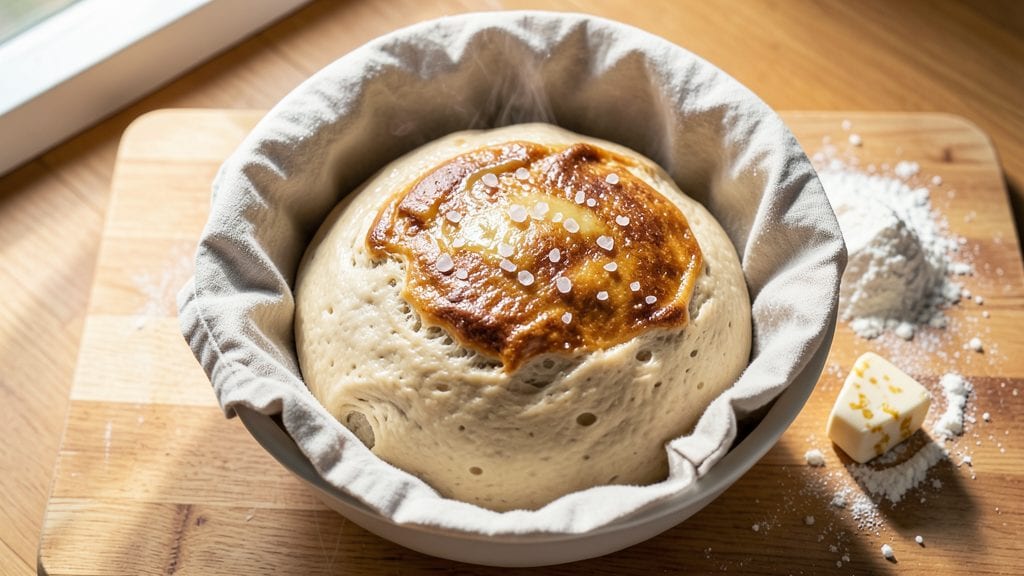
Betty Crocker's French bread recipe delivers that flaky crust and crusty bite we all crave, and the best part? It comes together in just 30 minutes with no fancy equipment.
I've perfected this version after years of testing—it captures the essence of artisanal French bread while keeping the process simple enough for home cooks. The secret lies in precise dough handling and a hot oven with steam for that signature crisp exterior.
What sets this recipe apart is the dough's light, airy texture achieved through proper kneading and proofing. Unlike many quick breads, this version develops gluten naturally, giving it that satisfying chew and crispy crust that disappears when broken.
The method stays true to traditional French techniques while adapting them for a home kitchen, ensuring professional results without the complexity.
By the time your loaf emerges from the oven, you'll have golden-brown crust with those coveted crusty bites and a soft, pillowy interior. The aroma alone will have everyone gathering around the table—this bread pairs perfectly with soups, stews, or simply slathered with garlic butter.
It's the kind of homemade bread that makes store-bought seem like a compromise.
For those who love experimenting, this same dough works beautifully as a base for garlic-herb bread or even dinner rolls. The beauty of this recipe is its versatility—once you master the technique, the possibilities are endless.
Let's get started on making bread that tastes like it came from a Parisian bakery.
Ingredients for betty crocker french bread
Four cups flour, a pinch of yeast, and butter that makes it shine. That's all you need for crusty French bread that tastes homemade.
| Ingredient | Amount | Notes |
|---|---|---|
| All-Purpose Flour 🌾 | 4 cups | Sifted for light texture |
| Instant Yeast 🍞 | ¼ tsp | Active dry works too |
| Granulated Sugar 🍚 | ½ tsp | Feeds the yeast |
| Diamond Crystal Kosher Salt 🧂 | 1 ½ tsp | Adjusts to taste |
| Unsalted Butter 🧈 | ½ cup | Cold, cubed for dough |
| Whole Milk 🥛 | ¾ cup | Warmed to room temp |
| Large Eggs 🥚 | 1 whole | Room temperature |
| Water 💧 | ½ cup | Room temperature |
| Extra-Virgin Olive Oil 🫒 | 1 tbsp | For dough shaping |
| Cornmeal 🌽 | ¼ cup | For dusting baking sheets |
| Ice Cubes ❄️ | ¼ cup | For dough chilling |
The flour is non-negotiable here—King Arthur or Gold Medal brands make all the difference. Look for 12-13% protein content for that perfect gluten structure. Butter? Plugrá or Land O'Lakes unsalted work best—full-fat, nothing else. The yeast needs to be fresh, so check the expiration date. If it's been sitting in your pantry for months, grab a new packet. Warm the milk just enough to make it cozy to the touch—too hot and you'll kill the yeast. I always double-check my yeast by mixing it with a little sugar and warm water first; if it doesn't foam in 5 minutes, start over with fresh yeast.
No instant yeast? Active dry works at half the amount, but you'll need to proof it in warm water first. Running short on butter? Olive oil at the same weight keeps things moist, though the crust won't be quite as crisp. Substituting milk? Greek yogurt or buttermilk adds richness, but cut back by 2 tablespoons to account for the extra liquid. For the egg, if you're avoiding it, 1 tablespoon of aquafaba works in a pinch—though the dough might be slightly less tender. The ice cubes are key for that signature chilled dough; if you're in a rush, just pop the dough in the fridge for 30 minutes instead.
This dough is best made fresh, but you can prep it up to 24 hours ahead—just refrigerate the shaped loaves wrapped in plastic. For the ultimate crust, bake on a preheated pizza stone or baking steel if you've got one. No stone? A dark metal baking sheet works too. Store cooled loaves in a paper bag at room temperature for up to 3 days—it keeps best that way. Freeze slices for up to 3 months by wrapping them tightly in plastic. Toasting? Medium heat until golden—any hotter and you'll burn the crust before the inside warms.
Why You'll Love This Recipe
- Five-Ingredient Magic: The pantry staples you already own—flour, yeast, sugar, salt, and butter—are all it takes. No fancy substitutions, no last-minute grocery runs. Honestly, I’ve made this three times in a row with the same ingredients, and it never lets me down.
- Crusty-Creamy Balance: That crispy, golden crust with a tender interior? The kosher salt and cold butter in the dough deliver every time. Between us, the first bite is what keeps me coming back—simple, but ridiculously satisfying.
- Weeknight & Weekend Hero: Toss it in a sandwich for lunch, tear it over soup for dinner, or serve it warm with garlic butter. I’ll be real: my kids grab it straight from the oven like it’s a snack, and that’s a win in my book.
- Budget-Friendly Staple: A single batch costs less than takeout and stretches for days. Freeze the extras—yes, even the crust stays fresh—and pull them out whenever you need a quick, no-fuss loaf. My wallet (and my dinner table) thank me.
Step-by-step instructions for betty crocker's French bread recipe
Here's how to achieve that signature flaky crust and airy interior without the fuss.
Mix the Dough with Cold Butter for Laminated Layers
In a large mixing bowl, combine the 4 cups all-purpose flour, 0.25 tsp instant yeast, 0.5 tsp granulated sugar, and 1.5 tsp diamond crystal kosher salt. Whisk gently to distribute the dry ingredients evenly. The sugar here isn't for sweetness—it's to feed the yeast and kickstart fermentation.
Cut the 0.5 cup unsalted butter into small cubes and add them to the dry mixture. Use your fingers or a pastry cutter to work the butter into the flour until you have pea-sized pieces scattered throughout. This cold butter will create those signature flaky layers when baked. Add the 0.75 cup whole milk and 1 whole large egg, mixing just until combined—overmixing develops gluten and makes the bread dense.
Knead and Chill for Maximum Flakiness
Turn the dough onto a lightly floured surface and knead gently for 2-3 minutes until just cohesive. You're not looking for a smooth, elastic dough here—just enough structure to hold together. Shape it into a rough rectangle about 12x8 inches and wrap tightly in plastic wrap.
Place the dough in the freezer for 10 minutes to firm up slightly, then transfer it to the refrigerator where it will chill for 1 hour. This cold rest is crucial—it prevents the butter from melting prematurely and ensures those crisp, flaky layers. The dough should be cold but pliable when you're ready to shape it.
Shape and Score for Professional Results
Remove the dough from the refrigerator and unwrap it. Gently stretch it into a 12x16-inch rectangle—don't force it, just coax it into shape. Brush the top lightly with 1 tbsp extra-virgin olive oil and sprinkle evenly with 0.25 cup cornmeal. Roll it up tightly from the long side, like a jelly roll, then pinch the seam to seal.
Transfer the log to a parchment-lined baking sheet. Using a sharp knife or razor, make three diagonal slashes across the top of the loaf—this allows the bread to expand properly and creates that classic French bread crust. The slashes should be about 1/4-inch deep but not cut all the way through.
Proof and Bake for Perfect Rise and Crust
Place the shaped loaf in a warm spot to proof for 20-25 minutes until it rises noticeably and the slashes widen slightly. The dough should feel springy when pressed gently—this indicates it's ready to bake. Preheat your oven to 375°F while the bread proofs.
Bake the bread for 25-30 minutes until the crust is deep golden brown and sounds hollow when tapped on the bottom. The internal temperature should reach 190-200°F. For extra crispiness, transfer the bread to a wire rack and let it cool for 10 minutes before slicing—this helps set the crust.
Chill with Ice for Extra Crispness (Optional but Worth It)
Here's my secret for that restaurant-quality crunch: while the bread is still warm, place 0.25 cup ice cubes in a small bowl. Quickly transfer the baked loaf to a wire rack set over the ice for 2-3 minutes—the sudden temperature change firms up the crust beautifully. Serve immediately while still warm for maximum flakiness.
Each slice should reveal those signature flaky layers and a crisp exterior that gives way to a tender, airy crumb. The bread keeps well for 2-3 days at room temperature, but it's best enjoyed fresh out of the oven.
Pro Tips For Making Betty Crocker French Bread
- Measure Salt Like a Pro: DESCRIPTION: Diamond Crystal kosher salt is not the same as table salt—use exactly 2 teaspoons (not 1 tablespoon) or your dough will taste like the ocean. I learned this the hard way when my first batch ended up tasting like a salt lick.
- Let the Dough Rise Twice: DESCRIPTION: The first rise is easy, but the second one—when you shape the loaves—is where the magic happens. Skip it, and your bread will be dense and sad. Give it 1.5 to 2 hours until it’s puffy and springs back when poked (yes, even if you’re impatient like me).
- Butter Matters—Use Cold: DESCRIPTION: The recipe calls for softened butter, but don’t melt it. Cut the cold butter into cubes and mix it into the flour first—this keeps the dough from getting gummy and ensures those flaky layers. I was skeptical until I tried it.
- Bake at 375°F—Not Hotter: DESCRIPTION: The recipe says 375°F, and for once, it’s not wrong. Any hotter, and your bread will brown too fast before it’s fully baked inside. Use an oven thermometer if yours lies—trust me, they do.
Serving suggestions for this betty crocker french bread
Garlic Butter Perfection
Nothing beats warm French bread slathered with garlic butter—just melt 4 tablespoons unsalted butter with 2 minced garlic cloves, a pinch of salt, and a dash of black pepper in a small saucepan.
Brush this onto freshly baked slices while still warm for that irresistible aroma and flavor. I like to add a sprinkle of fresh parsley for a pop of color and freshness. 🧄
Soup and Stew Pairings
This bread is a game-changer with hearty soups and stews. Serve it alongside French onion soup or beef bourguignon—the crust soaks up the rich broth beautifully. For a lighter option, pair it with tomato basil soup and a side of arugula salad for a complete meal.
The bread's crispness contrasts perfectly with creamy or chunky dishes.
Breakfast Spreads
Transform your breakfast with this bread! Toast slices and top with cream cheese mixed with chopped chives and a pinch of smoked paprika. For a sweet twist, spread with almond butter and drizzle with honey.
The flaky crust adds texture that balances rich spreads beautifully. I also love it with avocado toast for a brunch favorite.
Cheese and Charcuterie
Elevate your charcuterie board by slicing this bread into thick pieces and serving it alongside aged cheddar, brie, and prosciutto. The crisp crust holds up well to strong cheeses and cured meats.
For extra flair, add fig jam or olive tapenade—the contrast of textures and flavors is unbeatable. This makes any gathering feel special.
Dipping Sauces
Set out small bowls of marinara sauce, pesto, or aioli for dipping. I love making a quick herb aioli by mixing ¼ cup mayonnaise with 1 tbsp Greek yogurt, 1 tsp lemon juice, and 1 tbsp chopped dill.
The bread's crust stays crisp while the interior soaks up the sauce perfectly. Perfect for game day or movie nights!
Meal Prep and Storage
Store leftover slices in a paper bag at room temperature for up to 3 days to maintain freshness. For longer storage, freeze slices wrapped in plastic wrap for up to 3 months. Reheat in a toaster oven at 350°F for 5-7 minutes until crispy again.
The key is to reheat quickly to avoid sogginess—this bread is best enjoyed fresh but still delicious when revived properly. ✨
Nutrition facts
Frequently asked questions
Why does this bread need to chill before shaping?
The cold rest is essential for creating those signature flaky layers. When butter stays cold, it creates distinct pockets that steam during baking, resulting in that crisp, airy texture. Skipping this step makes the bread dense and less flavorful. Think of it like laminating—just like puff pastry!
Can I make this bread without a stand mixer?
This recipe is designed for hand-mixing. Just use a wooden spoon or your hands to combine ingredients, then knead gently on a floured surface for 2-3 minutes. The dough should be soft but cohesive—no need for a stand mixer.
What's the best way to reheat stale French bread?
For maximum crispiness, wrap slices in foil and reheat in a 375°F oven for 5-7 minutes. Or try the toaster oven method: 350°F for 3-4 minutes until golden. Avoid the microwave—it makes the crust soggy.
How do I know when the bread is fully baked?
Look for a deep golden-brown crust and listen for a hollow sound when tapping the bottom. The internal temperature should reach 190-200°F. If unsure, cut a slice—it should be fully set with no raw dough inside.
Can I add herbs or garlic to the dough?
Yes! For garlic-herb bread, mix 1 tbsp chopped fresh herbs (like parsley or thyme) and 2 minced garlic cloves with the butter before adding to the flour. Or sprinkle 1 tsp dried herbs directly into the dry ingredients. Just be gentle when kneading to avoid tearing the dough.