
Side Dishes
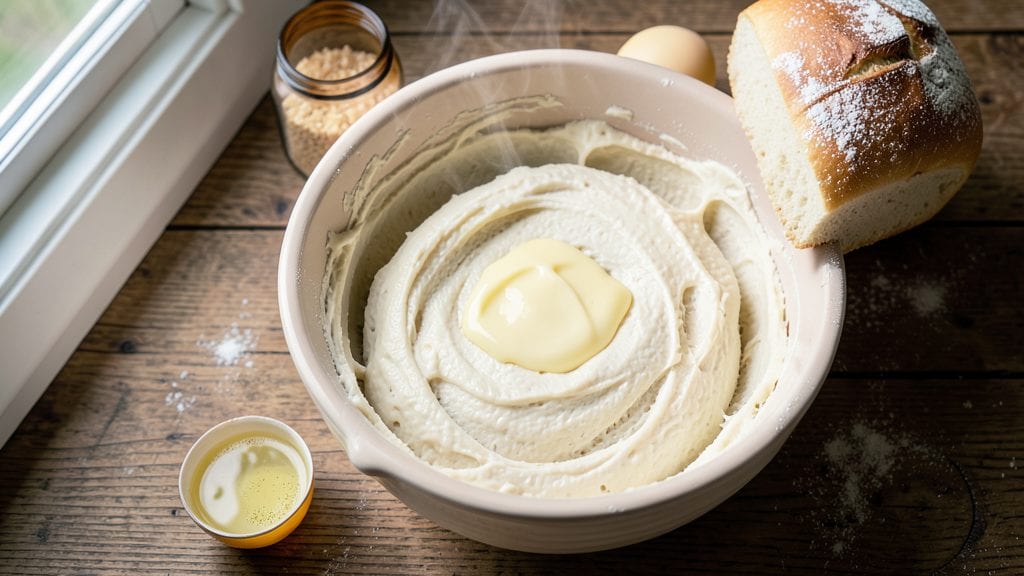
There's nothing quite like the smell of fresh-baked grandma's white bread filling your kitchen—warm, soft, and just a little bit sweet. This recipe brings back memories of Sunday mornings and family gatherings, with that signature pillowy crust that melts in your mouth.
I've perfected it over years of baking, keeping it simple but full of love, just like Grandma used to make.
The secret to this bread lies in the slow fermentation and gentle kneading, which creates that light, airy texture we all crave. You don't need fancy equipment—just a bowl, a spoon, and a little patience.
The dough rises twice, giving you that classic, fluffy loaf with a tender crumb that's impossible to resist. It's the kind of bread that makes everything taste better, from butter to jam to just plain slices with a little salt.
By the time you pull it from the oven, you'll have a golden-brown loaf with a soft crust that's still warm to the touch. The aroma alone will have everyone gathering around the table, and the first bite will remind you why homemade bread is worth every minute.
This recipe delivers that nostalgic comfort, straight from your kitchen to your heart.
Whether you're baking for a family gathering or just treating yourself to a taste of home, this bread is foolproof and full of love. Store it in a bread bag for up to 3 days, or freeze slices for quick toast anytime.
Let's get started on making memories with this classic recipe!
Ingredients for grandma's white bread
Nine simple ingredients for the bread that tastes like home.
| Ingredient | Amount | Notes |
|---|---|---|
| All-Purpose Flour 🌾 | 5 cups | Sifted for best texture |
| Active Dry Yeast 🍞 | ¼ oz | Or 2 packets instant yeast |
| Granulated Sugar 🍚 | ¼ cup | Feeds the yeast gently |
| Unsalted Butter 🧈 | ½ cup | Softened to room temperature |
| Large Eggs 🥚 | 1 whole | Room temperature preferred |
| Warm Water 💧 | 1 ¼ cups | 110°F for yeast activation |
| Salt 🧂 | 1 tsp | Kosher or sea salt |
| Milk 🥛 | ¼ cup | Warmed for brushing |
| Cornmeal 🌽 | ¼ cup | For dusting bread pan |
The flour is everything here—King Arthur or Gold Medal work best for that tender crumb. Grab a 5-pound bag if you're baking often, but a small bag at Walmart or Kroger works too. The yeast? Check the expiration date—if it's past 3 months old, it's probably dead. Butter matters too: Land O'Lakes unsalted melts perfectly, but any good brand works. Warm the milk and water to 110°F (like bathwater) so the yeast wakes up happy. No thermometer? Dip your pinky in—should feel warm but not hot.
No yeast? Sourdough starter works (use 0.5 cup), but it'll taste different. Butter too hard to soften? Microwave 40 seconds to just melt it. Short on milk? Heavy cream or water works, but milk adds richness. The sugar can be swapped for honey or maple syrup—just use the same amount. Salt? Diamond Crystal dissolves better than table salt, but any kosher salt works. And if you're gluten-free? This isn't your bread—save it for the real deal.
This dough keeps 2 days in the fridge if wrapped tight in plastic. Freeze portions for up to 3 months—just thaw overnight in the fridge. The loaf reheats beautifully: 5 minutes at 350°F wrapped in foil makes it soft again. I always bake two loaves—one for the table, one for freezing. The crust stays crisp for 1 day if stored in a bread bag, but it's best eaten fresh. And if anyone asks? Tell them Grandma's secret was patience—and maybe a little extra butter.
Why You'll Love This Recipe
- I swear by this trick: just mix the flour, yeast, sugar, and warm water—no fancy kneading. The butter and eggs bind it all while you’re making dinner, and by morning, you’ve got golden loaves with zero effort.
- No-Knead Magic: I swear by this trick: just mix the flour, yeast, sugar, and warm water—no fancy kneading. The butter and eggs bind it all while you’re making dinner, and by morning, you’ve got golden loaves with zero effort.
- Buttery Soft Crust: That touch of sugar and melted butter in the dough? It’s what makes this bread ridiculously tender inside with just the right crispness. Honestly, it’s the kind of texture that makes you slow down and actually enjoy your sandwich.
- Weeknight Workhorse: Toast it for breakfast, slice it for lunch, or serve it with dinner—this bread handles it all. Between us, I’ve used it for French toast, grilled cheese, and even a quick bread pudding. It’s my go-to for lazy days.
Step-by-step instructions for Grandma's white bread
Here's how to bake that perfect loaf with a soft, pillowy crust and tender crumb.
Activate the Yeast for Perfect Rise
In a small bowl, combine the 1.25 cups warm water (about 110°F) with the 0.25 cup granulated sugar and stir until dissolved. Sprinkle the 0.25 oz active dry yeast over the top and let it sit for 5-10 minutes until it becomes foamy and bubbly.
This step is crucial—you'll know it's ready when the mixture looks like a frothy beer. If it doesn't bubble after 10 minutes, your yeast might be dead, and you'll need to start over. Once it's active, proceed quickly to keep the yeast happy.
Mix the Dough Until Smooth
In a large mixing bowl, combine the 5 cups all-purpose flour and 1 tsp salt. Make a well in the center and pour in the yeast mixture, the 0.5 cup softened unsalted butter, and the 1 whole large egg. Using a wooden spoon or dough whisk, mix until a shaggy dough forms.
Once everything comes together, turn it out onto a lightly floured surface and knead for 8-10 minutes until the dough is smooth and elastic. You'll know it's ready when it springs back slowly when poked. If it feels sticky, add just a little more flour—about 1 tablespoon at a time—but don't overdo it or your bread will be dense.
Let the Dough Rise Until Doubled
Lightly grease a large bowl with a bit of the 0.25 cup milk, place the dough inside, and cover with a clean kitchen towel or plastic wrap. Let it rise in a warm, draft-free place for 1-1.5 hours or until it has doubled in size.
Here's the thing—your kitchen might not be warm enough, so if the dough doesn't rise after 1 hour, try placing the bowl near a slightly warm oven (with the light on) or on top of your fridge to create a cozy environment. You'll see it puff up beautifully when it's ready for shaping.
Shape and Second Rise for Flavor
Punch down the dough to release any air bubbles, then divide it into 4 equal pieces (about 1 pound each). Shape each piece into a round loaf and place them in a greased 9x5-inch loaf pan that has been sprinkled with 0.25 cup cornmeal to prevent sticking.
Cover the loaves again and let them rise for another 30-45 minutes until they've puffed up noticeably. This second rise adds to the bread's flavor and texture. Once they're ready, preheat your oven to 375°F—this is where the magic happens.
Bake to Golden Perfection
Brush the tops of the loaves with the remaining 0.25 cup milk for a beautiful golden crust. Bake for 25-30 minutes until the bread is golden brown and sounds hollow when tapped on the bottom. If the tops brown too quickly, tent with foil to prevent burning.
Let the bread cool in the pan for 5 minutes before transferring to a wire rack. This resting period helps the bread set properly. Slice into thick slices and serve warm—you'll taste the love in every bite.
Pro Tips For Making Grandma'S White Bread
- SOFTEN THE BUTTER FIRST: Take that cold butter straight from the fridge and cut it into small cubes—then let it sit at room temp for 30-45 minutes. I learned this the hard way after kneading a rock-hard butter-egg mix that fought me every step. Warm hands? No need—just patience. The dough will thank you with a lighter texture.
- TEST THE YEAST WARM: Before mixing anything, proof your yeast in warm water (110°F) with a pinch of sugar—wait 5-10 minutes for it to bubble like champagne. Cold water kills it, and dead yeast means a flat loaf. I skip this step sometimes, and the bread rises like a sad pancake. Not worth the risk.
- KNEAD LESS, STRETCH MORE: After the first 5 minutes of mixing, switch to hand-stretching instead of punching the dough. Pull the sides toward the center and rotate—this builds strength faster and saves your arms. Over-kneading makes bread tough, and nobody wants that. Do it gently, like tucking in a child.
- EGGS AT ROOM TEMP: Crack those eggs into a separate bowl first and let them sit for 10 minutes before adding to the dough. Cold eggs make the butter seize up, and you’ll end up with a gummy mess. I was skeptical until I tried it—now my bread has that perfect, tender crumb every time. Worth the wait.
Regional styles of grandma's white bread
Southern Comfort Style
In the South, white bread gets a touch of sweetness with a hint of cornmeal in the dough—about 2 tablespoons mixed into the flour. This variation, popular in Georgia and Alabama, creates a slightly crunchy bottom crust while keeping the top soft.
I like adding 1 teaspoon cinnamon to the dough for a subtle warmth that pairs perfectly with butter. Serve warm with honey or jam for that classic Southern breakfast. 🍯
Midwestern Homestyle
Up north, especially in states like Minnesota and Wisconsin, white bread often includes a splash of 1 tablespoon vanilla extract in the dough for a gentle sweetness. The loaves are traditionally baked in pullman pans (long, narrow pans) for sandwiches, and the crust is brushed with melted butter after baking.
This method creates a tender, slightly chewy texture that’s perfect for thick-cut bacon or fried chicken. 🥓
New England Classic
New England bakers take pride in their crusty-topped white bread, achieved by baking at 400°F for the first 10 minutes before reducing to 375°F. The dough often includes 1 tablespoon molasses for depth, and the loaves are brushed with heavy cream instead of milk for a richer finish.
This style is heartier, with a denser crumb—ideal for clam chowder or lobster rolls. 🦞
Texas-Style Sweet Loaf
Down in Texas, white bread is often baked with ½ cup brown sugar swapped for granulated sugar, giving it a caramelized crust. The dough is kneaded longer (12 minutes) for a tighter crumb, and the loaves are brushed with butter and cinnamon sugar before baking.
This version is a staple at Texas BBQ joints, where it soaks up smoky sauces beautifully. 🌶️
Italian-Inspired Brioche
For a richer twist, Italian bakers often replace 1 cup of flour with bread flour and add 1 extra egg yolk to the dough. The loaves are brushed with egg wash (1 egg + 1 tbsp water) before baking for a golden, slightly crisp crust.
This style is softer and more buttery, perfect for sandwiches or toasted with olive oil and garlic. 🧅
Modern Twist: Everything Bagel Bread
If you love everything bagels, try adding 2 tablespoons everything bagel seasoning to the dough before shaping. Brush the baked loaves with melted butter and sprinkle with extra seasoning for a savory, crunchy top.
This version is great for breakfast toast or as a side for bagels and cream cheese. ✨
Nutrition facts
Frequently asked questions
Why does my homemade bread turn out dense instead of soft?
Over-kneading or using too much flour are common culprits. Knead just until the dough springs back slowly when poked (8-10 minutes max). Also, ensure your yeast is fresh—it should foam within 5-10 minutes in warm water. Cold dough slows fermentation, so keep your workspace warm (try placing the bowl near a 375°F oven with the light on).
Can I make this recipe without a stand mixer?
This dough only requires 8-10 minutes of hand-kneading on a lightly floured surface. Use your knuckles to press and fold the dough, rotating it a quarter turn after each set. The key is patience—let the dough rest between kneading sessions if it feels too sticky. A wooden spoon works too for initial mixing.
How do I store leftover bread to keep it fresh?
Wrap cooled loaves tightly in plastic wrap or place in a bread bag at room temperature for up to 3 days. For longer storage, slice and freeze portions in airtight containers for up to 3 months. To revive stale bread, wrap slices in foil and warm at 350°F for 5-10 minutes or toast until golden.
What's the secret to that perfect pillowy crust?
The double rise is your best friend! Let the dough rise until fully doubled both times—this develops gluten and gas pockets for that airy texture. Brush the baked loaves with milk before baking (not after) to create a tender, golden crust. For extra softness, bake at 375°F and avoid overbaking—pull it when the internal temp hits 190°F.
Can I substitute butter with oil in this recipe?
While possible, butter adds richness and flavor that oil can't replicate. If you must substitute, use ⅓ cup melted coconut or vegetable oil cooled to room temperature. The bread will be slightly denser and less flavorful, but still edible. For best results, stick with butter—it's what gives this bread its signature taste of home.