
Side Dishes
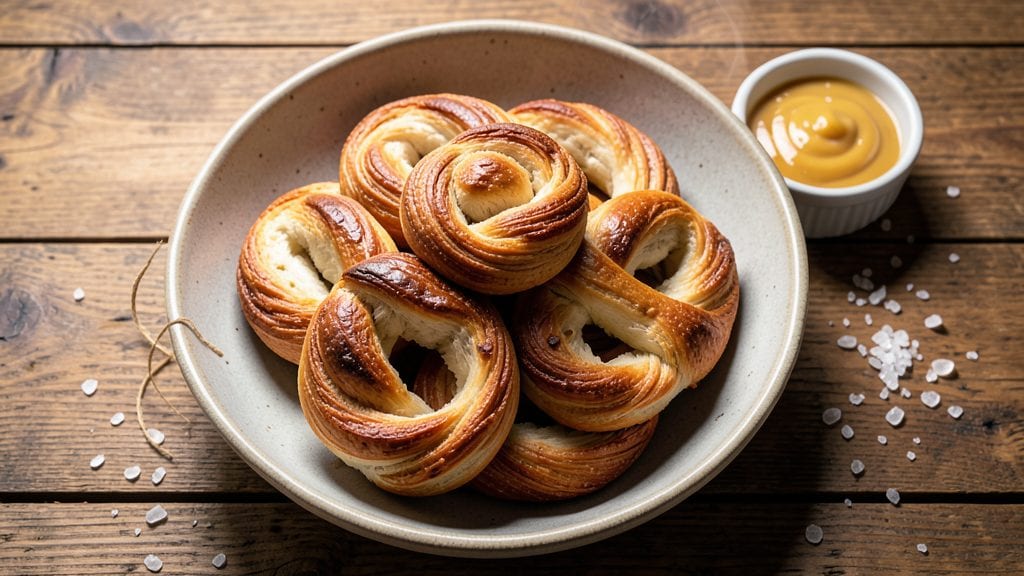
Creating twisted bread with flaky layers that hides a surprise cheese twist is the kind of recipe that makes dinner feel special—no fancy techniques required.
I first tried this after watching Nonna shape bread like a pro while telling stories about her Italian village, and now it’s my go-to for holidays or when I want to impress.
The secret lies in the dough’s elasticity and a simple twisting method that creates those signature ridges while keeping the cheese surprise intact.
This recipe delivers restaurant-quality texture in just under an hour, with a crispy exterior and tender, flaky interior that practically melts in your mouth. The dough is straightforward—flour, yeast, butter, and a pinch of salt—but the shaping is where the magic happens.
Once baked, the golden-brown crust contrasts perfectly with the creamy cheese surprise inside, making every bite worth the effort. Trust me, even beginners can nail this.
Perfect for pairing with soups, stews, or serving as a showstopping side at gatherings, this twisted bread is versatile enough for any meal. The cheese twist adds a fun element for kids (or adults!) who love surprises, while the flaky layers ensure it’s a crowd-pleaser.
With just a few simple ingredients and a little patience, you’ll have bread that looks and tastes like it came from a bakery.
For extra flavor, try adding garlic powder to the dough or sprinkling herbs on top before baking. Let’s get started—your kitchen will smell amazing in no time.
Ingredients for twisted bread
Flour, butter, yeast, and cheese—just four key players for bread that looks like art.
| Ingredient | Amount | Notes |
|---|---|---|
| All-Purpose Flour 🌾 | 4 cups | Plus 2 tbsp for dusting |
| Active Dry Yeast 🍞 | ¼ tsp | Or 1 packet instant yeast |
| Granulated Sugar 🍚 | 1 tbsp | For yeast activation |
| Unsalted Butter 🧈 | ½ cup | Cold, cubed, full-fat preferred |
| Warm Water 💧 | ¾ cup | 110°F for yeast activation |
| Sea Salt 🧂 | 1 tsp | Fine grain preferred |
| Shredded Mozzarella Cheese 🧀 | 1 ½ cups | Part-skim, low-moisture |
| Garlic Powder 🧄 | ½ tsp | Optional for extra flavor |
| Italian Seasoning 🍃 | ½ tsp | Or dried oregano |
| Olive Oil 🫒 | 1 tbsp | For brushing dough |
| Coarse Sea Salt 🧂 | 1 tbsp | For sprinkling on top |
| Cornmeal 🌽 | ¼ cup | For dusting baking sheet |
The flour is your foundation, so King Arthur or Gold Medal are my go-tos—they handle the butter without getting gummy. If you're in a pinch, any all-purpose flour works, but avoid bread flour unless you want extra chewiness. The butter? Cold and cubed is non-negotiable—it creates those flaky layers. I always grab Plugrá or Land O'Lakes from the dairy section, but any unsalted butter will do. For the cheese, low-moisture mozzarella (like Sargento) melts better than fresh—no soggy surprises inside. If you're feeling fancy, grab a bag of shredded Parmesan too for sprinkling on top.
No garlic powder? Fresh minced garlic at half the amount works too, but it's easier to measure. Italian seasoning hard to find? Dried oregano plus a pinch of thyme is a solid swap. Running low on olive oil? Melted butter gives a similar richness, though the flavor will be slightly different. The yeast? If your kitchen's cold, warm the water to 110°F—yeast needs that cozy spot to wake up. Too hot and it'll kill it. Pro tip: if your dough feels sticky, you likely need more flour—just don't overdo it or the bread will get dense.
This dough keeps beautifully. Wrap it tightly in plastic and refrigerate for up to 24 hours—the flavor actually improves overnight. For the cheese twist, shape it last minute so the cheese doesn't melt prematurely. Baked bread stays fresh for 3 days at room temperature, but if you're making ahead, freeze the shaped loaves for up to 1 month. To reheat, wrap in foil and warm in a 350°F oven for 10 minutes—crispy crust guaranteed.
Why You'll Love This Recipe
- No-Knead Nightmare: I swear by this recipe when I’ve got five minutes and zero energy. Just mix the flour, yeast, sugar, and a pat of butter with warm water—no fancy equipment, no standing at the counter for hours. The dough comes together in under 10 minutes, and the twisting motion (yes, you do twist it) gives it that rustic, bakery-worthy texture without the fuss.
- Buttery Magic: That single cube of butter? It’s the star. The dough gets this incredible richness—soft, slightly chewy, with a crisp edge that’s almost too good to resist. Honestly, I’ve made this with margarine before, and I immediately regretted it. The butter makes it taste like a cozy Sunday brunch, not a weeknight hack.
- Leftovers? More Like Leftovers: This bread freezes like a dream. Toss a loaf in a bag, and it’ll stay fresh for weeks—perfect for lazy mornings or when you forget to buy bread. Even better? It reheats in seconds under the broiler, giving you that fresh-from-the-oven crunch without the wait.
- Weeknight Crowd-Pleaser: Between us, this is the bread that makes people actually ask for seconds. It’s neutral enough to pair with soup, jam, or charcuterie, but rich enough to stand alone. I’ve used it for sandwiches, toasted it for garlic bread, and even crumbled it over salads—no one ever guesses it’s just flour, yeast, and a little butter.
Step-by-step instructions for twisted bread
Here's how to create those irresistible flaky layers with a surprise cheese twist inside.
Activate the Yeast and Mix the Dough
In a small bowl, combine the 0.75 cup warm water, 1 tbsp granulated sugar, and 0.25 tsp active dry yeast. Let it sit for 5-10 minutes until it becomes frothy—this tells you the yeast is alive and ready to work. If it doesn't bubble, your yeast might be dead, and you'll need to start over.
In a large bowl, whisk together the 4 cups all-purpose flour, 1 tsp sea salt, 0.5 tsp garlic powder, and 0.5 tsp Italian seasoning. Make a well in the center and pour in the yeast mixture along with the 0.5 cup cold unsalted butter, cubed. Using a wooden spoon or your hands, mix until the dough begins to come together. If it's too dry, add 1-2 tablespoons of warm water to help it form a cohesive mass.
Knead and Shape the Dough
Turn the dough out onto a lightly floured surface and knead for 8-10 minutes until smooth and elastic. You'll know it's ready when it springs back slowly when poked. If the dough feels sticky, add 1 tablespoon of flour at a time until it's manageable, but don't overdo it—too much flour makes the bread dense.
Once kneaded, divide the dough into 4 equal pieces (about 8 ounces each). Roll each piece into a 12-inch rope, then twist two ropes together to form a long braid. Repeat with the remaining two ropes to make a second braid. Place both braids on a baking sheet dusted with 0.25 cup cornmeal and cover with a clean kitchen towel. Let them rise in a warm place for 1 hour or until doubled in size. The dough should feel light and airy when pressed gently.
Add the Cheese Twist and Proof
Preheat your oven to 375°F. Take one of the risen braids and carefully unravel it slightly to create a pocket in the center. Sprinkle ½ cup of shredded mozzarella cheese into the pocket, then gently twist the braid back into its original shape, sealing the cheese inside. Repeat with the second braid, dividing the remaining 1 cup shredded mozzarella cheese evenly between them.
Brush the tops of the braids with 1 tbsp olive oil, then sprinkle generously with 1 tbsp coarse sea salt. Let them proof for an additional 20-30 minutes until they've risen slightly more and feel firm to the touch. This second rise ensures the cheese stays tucked inside while the bread bakes.
Bake to Golden Perfection
Bake the twisted bread in the preheated oven for 25-30 minutes until the tops are deep golden brown and the internal temperature reaches 190°F. The bread should sound hollow when tapped on the bottom, and the cheese inside should be fully melted but not bubbling over.
Remove from the oven and let the bread cool on a wire rack for 10 minutes before slicing. The layers should be flaky and crisp, with pockets of melted mozzarella hidden inside—revealing the surprise with every bite. Serve warm with your favorite butter or dipping sauce for the ultimate experience.
Pro Tips For Making Twisted Bread
- Test Yeast First: Toss a pinch of sugar and yeast into warm water (110°F) and wait 5–10 minutes for bubbles before mixing with flour. I learned this the hard way—dead yeast means dough that won’t rise, and no amount of kneading fixes that.
- Butter at Room Temp: Cut the unsalted butter into small cubes and let it sit out for 30–45 minutes before mixing. Cold butter creates pockets that won’t melt evenly, and you’ll end up with dry, uneven bread.
- Knead Until Smooth: Stop when the dough springs back slowly when poked and looks silky, not sticky or shaggy. Over-kneading makes gluten tough, and under-kneading means a dense loaf—neither is worth the extra effort.
- Twist Before Proofing: Shape the braid after the first rise, then let it proof in the twisted form. This keeps the structure intact and prevents the loaf from collapsing when it hits the oven—no more sad, flattened bread.
Regional styles of twisted bread
Italian Braided Style
This recipe pays homage to classic Italian treccia (braided bread) but with a New England twist. In my Nonna's kitchen, we'd often make a simpler version with just flour, olive oil, and salt—no cheese.
The key difference here is the cold butter for flakiness, which I learned from a Boston Italian deli owner who swore by it for that signature layering. For extra authenticity, sprinkle dried oregano on top before baking instead of Italian seasoning. 🌿
Irish Soda Bread Twist
My Irish side of the family would never let me forget that soda bread is the "real" bread of comfort. To adapt this recipe for a soda bread version, replace the yeast with 1 tsp baking soda and 1 tbsp vinegar (any kind).
Skip the proofing steps entirely—this dough goes straight from mixing to baking. The cheese twist works just as well, but the texture will be denser. Perfect for a quick weeknight dinner with soup. 🍞
French Fougasse Fusion
French fougasse is all about rustic shaping and olive oil richness. For this version, shape your braided dough into a more irregular pattern with torn edges (like a rustic loaf with twists). Brush with extra olive oil before baking and add flaky sea salt on top.
Skip the cheese twist and instead sprinkle herbes de Provence for a Provençal touch. The result is a bread that looks like it came from a Parisian bakery. 🥖
Southern Cornbread Twist
For a Southern-inspired take, replace half the flour with cornmeal and add 1 cup corn kernels to the dough before shaping. The cheese twist becomes a cheddar-jack surprise instead of mozzarella.
Brush the baked bread with honey butter for a sweet-savory balance. This version is perfect for cornbread lovers who want something new. 🌽
Mediterranean Herb Twist
Add 1 tbsp chopped fresh rosemary and 1 tbsp chopped fresh thyme to the dough for a fragrant Mediterranean twist. Use feta cheese instead of mozzarella for the surprise filling—it crumbles beautifully when baked.
Finish with a sprinkle of crushed red pepper flakes for a subtle kick. This version pairs perfectly with grilled meats or roasted vegetables. 🌿
Gluten-Free Adaptation
For a gluten-free version, swap the all-purpose flour for a 1:1 gluten-free flour blend (like Bob's Red Mill). Add 1 tsp xanthan gum to help bind the dough. The shaping will be trickier—work quickly to avoid tearing.
Proof the dough for only 30 minutes since gluten-free dough rises faster. The cheese twist still works, but expect a slightly denser texture. 💪
Nutrition facts
Frequently asked questions
Can I make this twisted bread without yeast?
Yes! For a quick version, replace the yeast with 1 tsp baking soda and 1 tbsp vinegar (like apple cider or white). Mix everything together, shape immediately, and bake at 375°F for 20-25 minutes. The texture will be denser but still delicious—perfect for a fast weeknight dinner.
Why did my bread turn out dense instead of flaky?
Dense bread usually means over-kneading or too much flour. Knead just until smooth (8-10 minutes), and avoid adding extra flour unless absolutely necessary. Cold butter is key—if it melts too soon, the layers won't form properly. Also, ensure your yeast is fresh and the water is 110°F (not boiling).
How do I store leftover twisted bread?
Wrap cooled bread tightly in plastic wrap or foil and store at room temperature for 3 days. For longer storage, freeze shaped loaves (before baking) for up to 1 month. To reheat, wrap in foil and warm at 350°F for 10 minutes—this restores the crispy crust.
Can I use a different cheese for the twist?
Try cheddar for sharp flavor, Gouda for caramelized sweetness, or even goat cheese for tang. Low-moisture cheeses melt best—avoid fresh mozzarella or brie, which can make the bread soggy. Divide the cheese evenly between both loaves for balance.
What’s the best way to shape the braid for beginners?
Start with two 12-inch ropes of dough. Lay them side by side, then twist them together like a rope while gently pulling the ends to tighten. For a neater look, pinch the seams where the dough meets. If it feels tricky, practice with scrap dough first—perfection comes with patience!